In brief
With a surge in ICE operations, a segment of Native Americans is now turning to tribal IDs for protection against federal immigration enforcement. This move marks a significant shift as tribes respond to concerns about racial profiling and citizenship questioning. Indigenous leaders are working to streamline access to tribal identification, reflecting a growing sense of urgency. From urban centers to remote reservations, the struggle for recognition and safety underscores the ongoing complexities faced by Native communities in America.
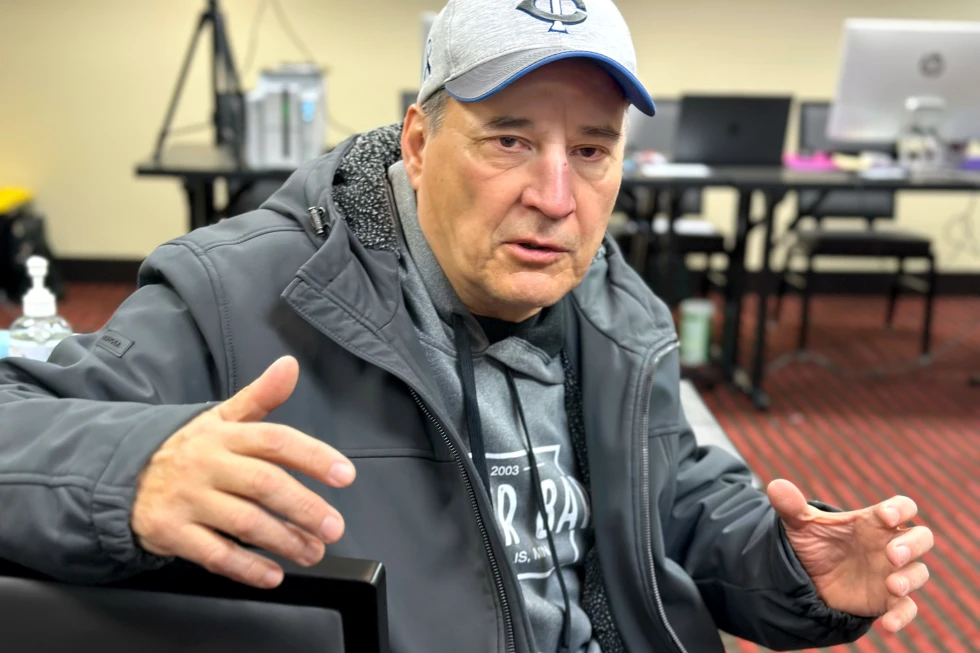
In Minneapolis, the recent surge of ICE operations has prompted many in the Native American community to carry their tribal citizenship documents. Shane Mantz, a manager at a pest-control company and a member of the Choctaw Nation, elaborates on how he’s felt compelled to keep his tribal ID close by due to fears of being mistakenly categorized as an undocumented immigrant.
Historically, Native Americans have been challenged by issues of identity and citizenship; many now view tribal IDs not only as proof of their Native ancestry but also as necessary identification to navigate an uncertain landscape with ICE's intense scrutiny. With around 575 federally recognized tribes, many are waiving ID fees and expediting applications to ensure their members can readily prove their citizenship.
David Wilkins, a scholar of Native politics, notes the unprecedented nature of this movement, stating it's a stark departure from historical norms. The statistics provide context: over 3,400 individuals were apprehended during what officials have dubbed the largest immigration operation ever recorded. The atmosphere has led to a combined feeling among Native Americans of both urgency and frustration.
As the waves of ICE activity ripple through urban neighborhoods, stories emerge of Native Americans like Faron Houle, who recently renewed his tribal ID. He shared the anxiety he feels, noting, 'I think (ICE agents are) more or less racial profiling people, including me.' Community events are becoming crucial in connecting tribal citizens to necessary resources, as many urban Natives do not have easy access to their reservations.
Past accounts of harassment by federal agents are influencing how tribal leaders advise their people. Navajo Nation President Buu Nygren has confirmed incidents of ICE agents detaining tribal citizens in recent months, reinforcing the call to carry tribal IDs at all times.
This movement serves as a bittersweet reminder of the ongoing struggles for recognition faced by Native Americans. As Mantz poignantly remarked, 'It gives me some peace of mind. But at the same time, why do we have to carry these documents? Who are you to ask us to prove who we are?'