The northern Indian city of Dehradun was shaken by a violent incident involving 24-year-old student Anjel Chakma, who tragically succumbed to his injuries 17 days after being attacked by a group of men. Anjel and his brother Michael, who also faced racial slurs during the assault, had migrated from the northeastern state of Tripura to pursue their studies when they were confronted in a local market.
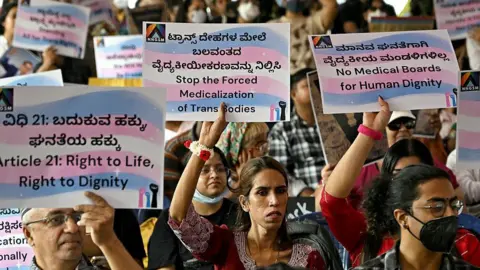
The attack highlighted ongoing racial tensions, as Chakma's family and supporters believe the violence was racially motivated—a claim the police deny. The incident has prompted nationwide protests, particularly from groups representing northeastern communities, who report enduring prejudice and discrimination in larger urban areas.
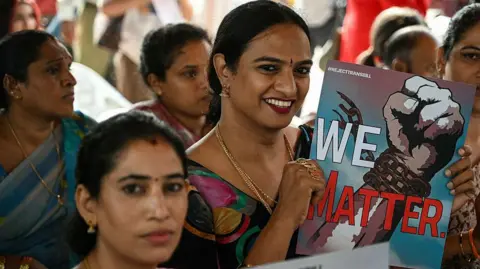
Activists have long called for a specific anti-racism law in India, reflecting a demand for legal accountability in light of persistent racial violence. Anjel’s death follows a troubling history of racially motivated crimes against people from northeastern states, raising questions about the effectiveness of current measures to protect them.
Despite previous government inquiries into racial abuse, including a committee report that recommended an anti-racism law, activists argue meaningful steps to address these issues have not been taken. As communities mourn and protest for justice, they call for systemic changes to ensure safety and dignity for all individuals, regardless of their origin.
The tragic loss of Anjel Chakma underlines the urgent need for broader societal change and deeper understanding of the issues surrounding racism in India, with many asking, 'How do we look Indian?'