In brief
Kevin Rideout, an American missionary and pilot, was kidnapped in Niamey last year. After being held for over nine months by armed militants, he has been released and taken into U.S. custody. His liberation comes amid growing insecurity across the Sahel region, where militants target civilians and aid workers. The incident underscores the risks faced by humanitarian actors in climate‑vulnerable areas. Security concerns threaten continued development and climate adaptation initiatives in Niger.
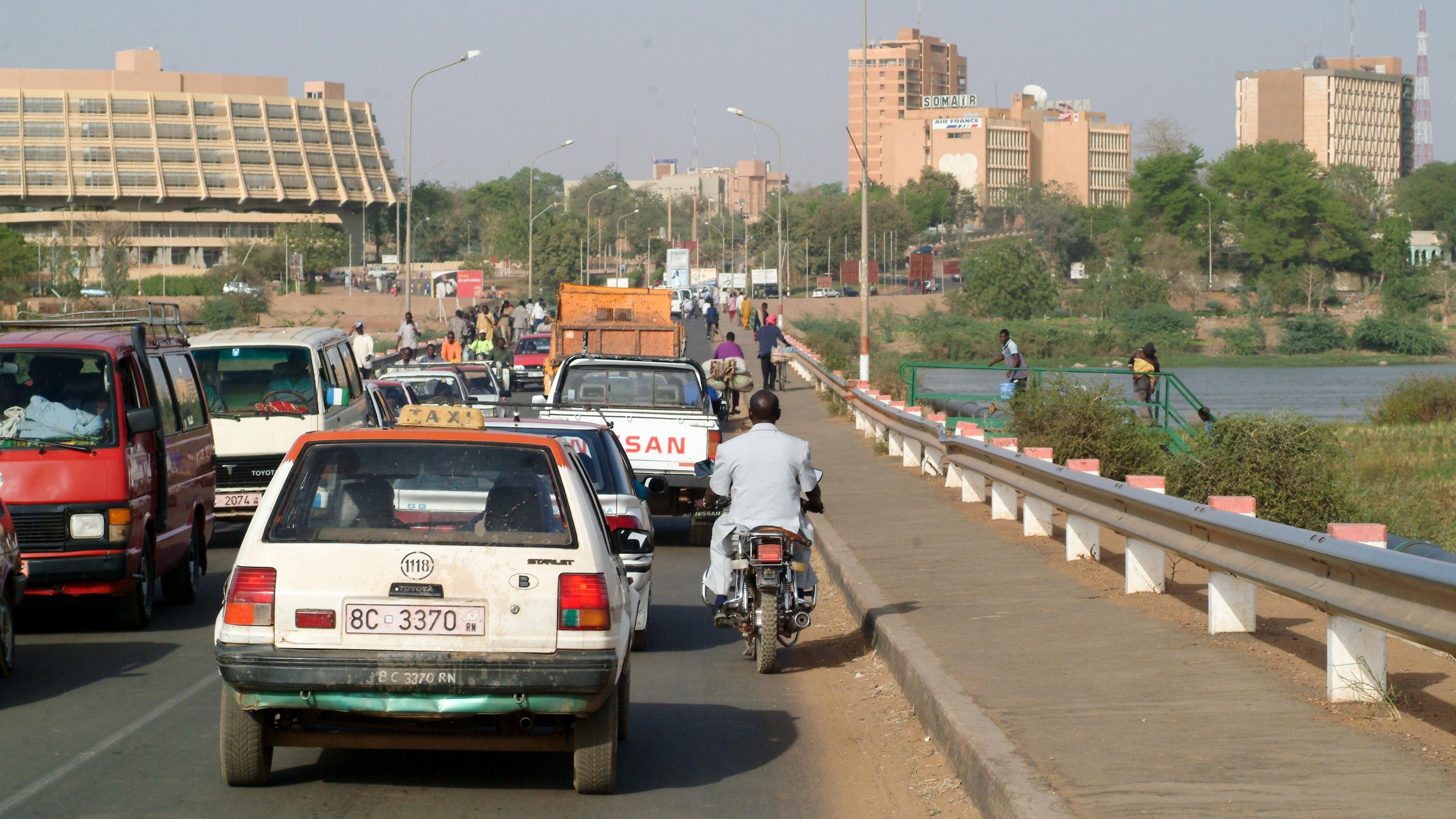
Kevin Rideout, an American evangelist and pilot who had been working in Niger for 19 years, was kidnapped outside his home in the capital city of Niamey in October of last year. Militants believed to be linked to the extremist group Jama’at Nusrat al‑Islam wal‑Muslimin (JNIM) seized him and held him in the volatile Tillabéri region.
According to the international Christian organization SIM International, which employed Rideout, he was rescued by U.S. authorities and placed in FBI custody. He is in good health and is expected to spend the next few days with his wife, children and extended family.
The release comes as the Sahel region—an area already battling climate stresses such as desertification and erratic rainfall—faces an escalating threat from Islamist militants. In recent months, Nigeria, Mali, Burkina Faso and Niger have experienced repeated attacks, kidnappings, and military coups, destabilizing both community life and any long‑term environmental projects.
For humanitarian workers and climate‑adaptation programs, safety is paramount. This incident illustrates the link between climate vulnerability and security challenges: as resource scarcity intensifies, conflict escalates, making it harder to deliver aid, build resilient infrastructure, or implement sustainable development initiatives.
Because of these uncertainties, policymakers are urged to strengthen security cooperation, provide clearer travel advisories, and support resilience strategies that can thrive even amid conflict. The hope is that the release of missions such as Rideout will encourage renewed efforts toward peacebuilding and climate action in the region.