In brief
In July 2026 Russia launched a series of ballistic missile strikes against Kyiv, killing one civilian and injuring at least fourteen, and damaging both residential and non‑residential buildings. Ukrainian air defenses intercepted 18 of 41 missiles and 108 drones, but fires broke out at warehouses and industrial sites, including a Wildberries distribution hub. The strike underscores how armed conflict aggravates environmental hazards, from combustion‑related air pollution to hazardous material spillages, and stresses the need for resilient infrastructure and rapid response teams. Residents also face fuel shortages as Ukrainian drones target Russian energy facilities, further linking war dynamics to climate‑related supply shocks.
Russia’s latest missile assault on Kyiv has escalated the environmental toll of the conflict, affecting both human life and infrastructure.
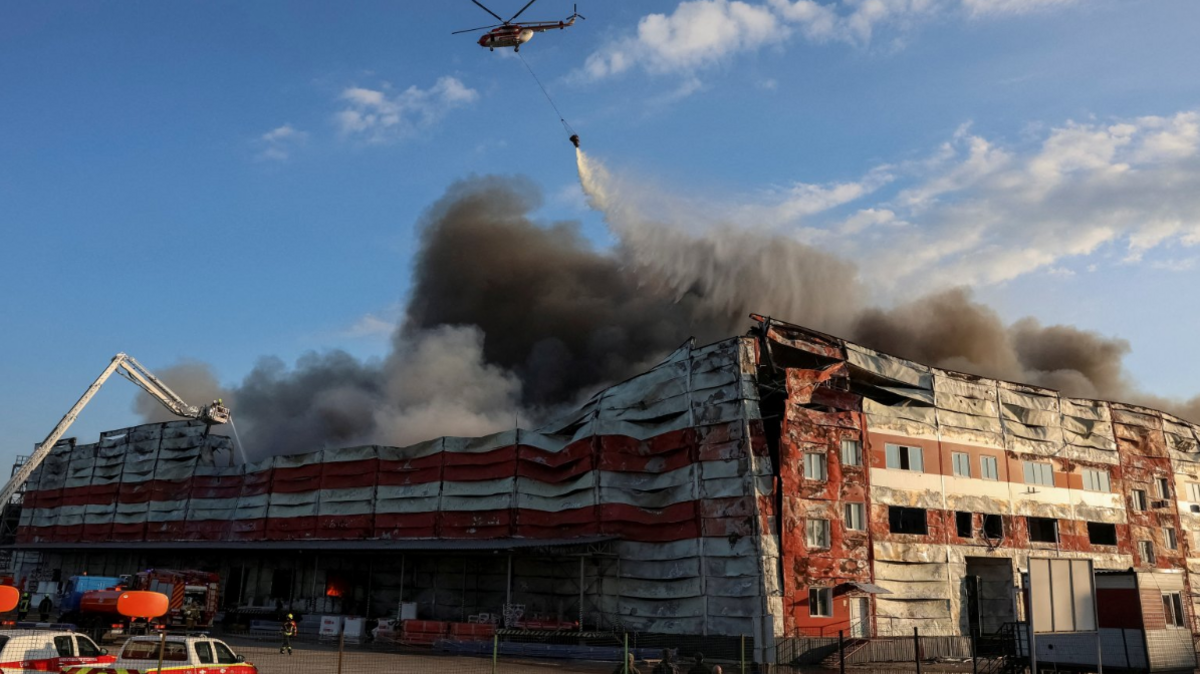
A midnight wave of ballistic strikes killed one person and wounded at least fourteen residents. Kyiv’s mayor, Vitaliy Klitschko, reported damage to commercial sites, a supermarket, and a dormitory, while firefighters combated flames at two warehouses.
Authorities noted that 18 of the 41 missiles were intercepted by Ukrainian air‑defence systems—an impressive feat that nevertheless left open questions about missile debris and potential chemical hazards. Ukrainian drones intercepted 108 sorties that night, reflecting growing reliance on unmanned systems for both defence and, at times, retribution.
The strikes also targeted a Wildberries distribution centre—Russia’s equivalent of Amazon—and a warehouse in Elektrostal. Wildberries, part of the RWB Group, is valued at roughly $12.6 bn, and the destruction at its facilities has caused significant disruptions to food supply chains, potentially leading to higher prices and hampering local economies.
According to a Ukrainian defence statement, the energy infrastructure of Russia has suffered from drone attacks, with nearly 43 % of oil‑refining capacity reportedly disabled. Such disruptions not only hamper trade but also compound environmental risks through reduced fuel supplies, contributing to increased household diesel usage in both Ukraine and Russia. The conflict’s toll on energy facilities underscores how warfare can directly affect climate‑relevant resource flows.
While many of the attacks are aimed at military targets, they inevitably damage civilian infrastructure, leading to fires, hazardous material leaks and ignition of volatile contents—risks that can produce toxic air emissions, soil contamination and long‑term ecological disruption. The need for rapid de‑contamination measures and resilient building codes is now more critical than ever for the civilian population amid ongoing hostilities.
In the midst of a war‑driven environmental crisis, residents are urged to seek shelter, keep fire extinguishers at hand, and report hazardous waste occurrences. As the Ukrainian defence forces continue to muster long‑range drone strikes, both sides must consider not only immediate tactical outcomes but also long‑term ecological consequences that could hamper future recovery and climate‑adaptation efforts.