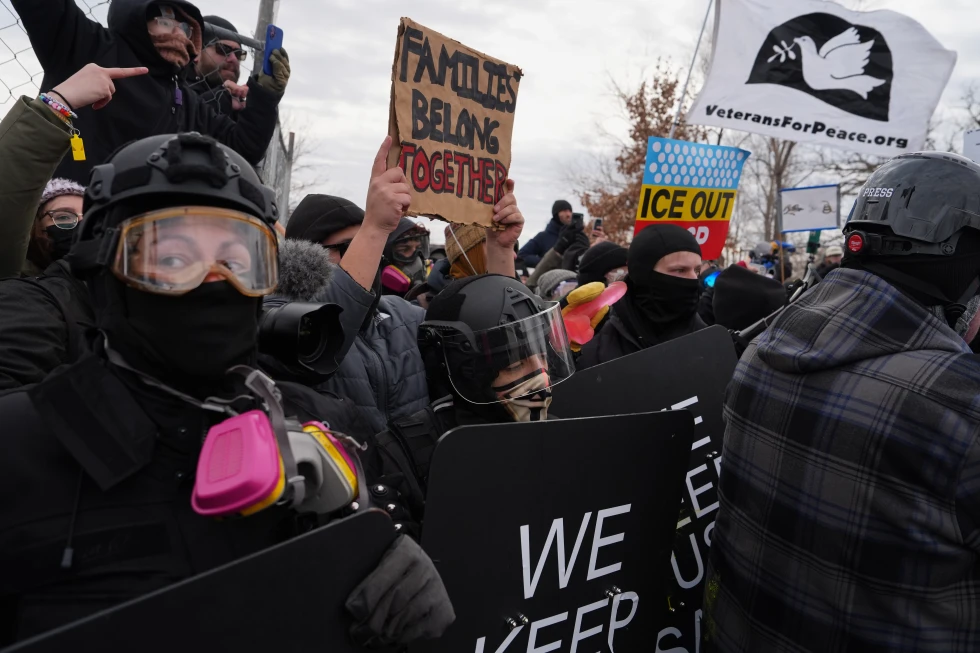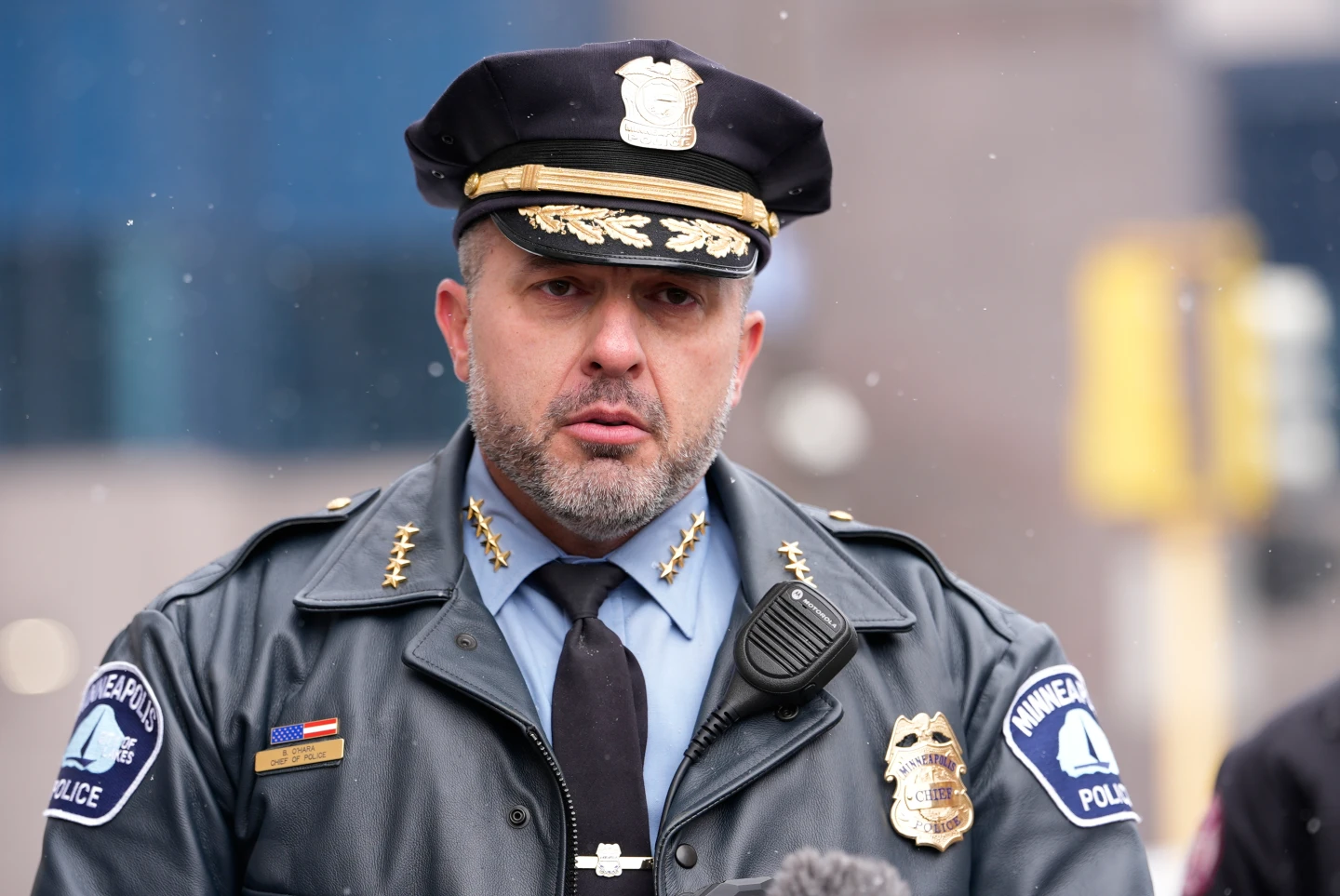
MINNEAPOLIS (AP) – In a city still grappling with the aftermath of protests and the regular jolting of policy debates, the sudden resignation of Police Chief Brian O’Hara after investigators found he likely interfered in a misconduct probe has left Minneapolis again scrambling for a clear path forward.
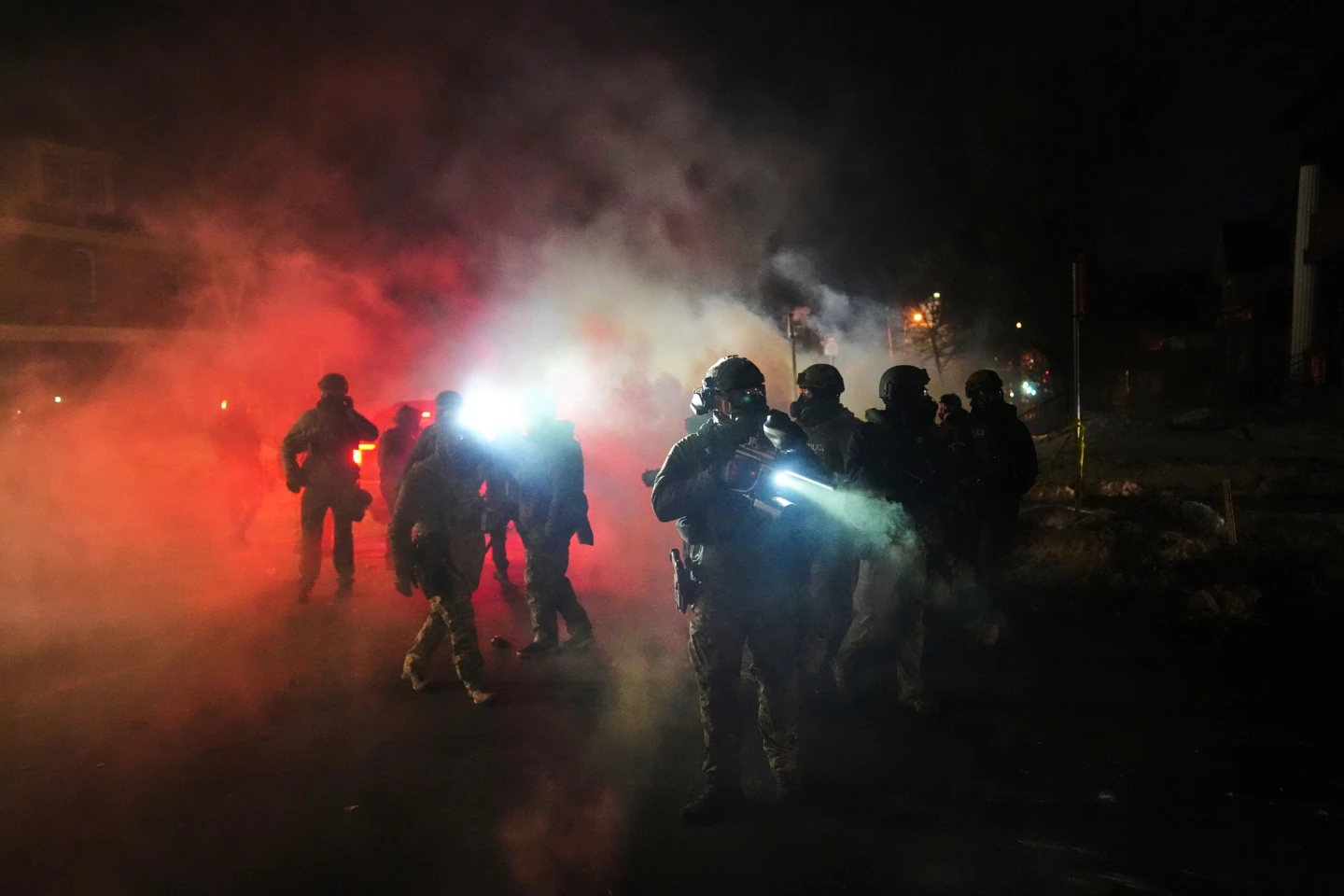
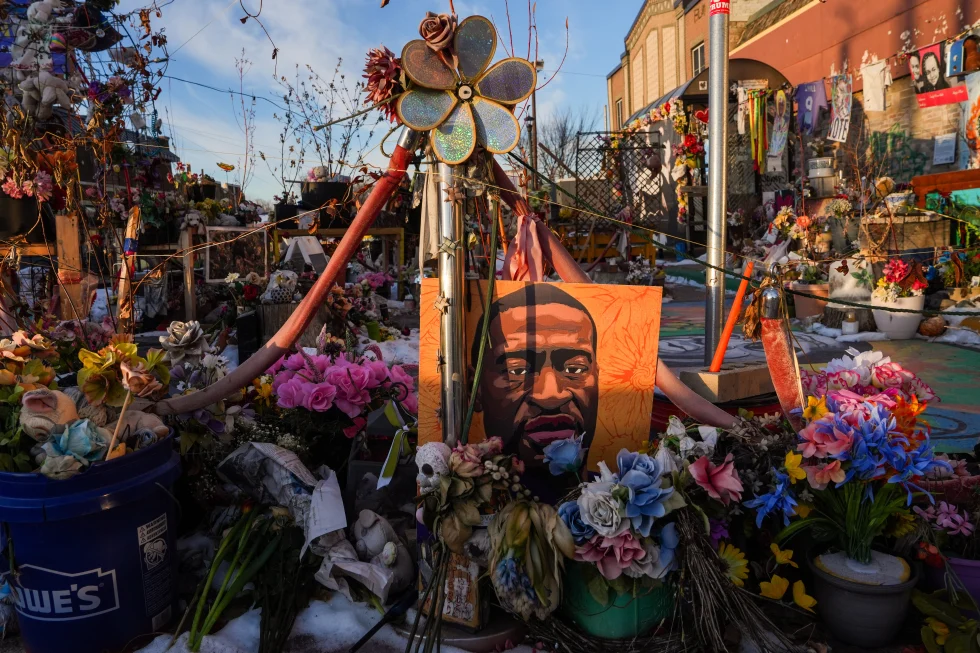
O’Hara was a seasoned outsider, recruited in late 2022 with a mandate to overhaul the department following the 2020 killing of George Floyd. In Newark, New Jersey, he had helped steer a department under a federal consent decree that addressed patterns of excessive force and unconstitutional stops and searches. The new role in Minneapolis came with heavy expectations: rebuild morale, restore community trust, and navigate a city that had once threatened to disband its police force.
I don’t think there was a bigger challenge for any American city than what Minneapolis faced when he arrived, said Chuck Wexler, executive director of the Police Executive Research Forum. They had gone from 850 to 500 officers, violent crime was on the rise, and trust with the community was broken. A federal consent decree would face the next chief, and then you had the politics of Minneapolis.
### The Outsider’s Hardship
Renée Hall, former president of the National Organization of Black Law Enforcement Executives and ex‑Dallas Police chief, commented on the difficulty of stepping into a large department from outside. “It’s extremely challenging to walk into an organization where you don’t even know where the light switches are, where the bathrooms are, and that’s just the basics,” Hall said in an interview. “You have to learn the officers, the community, the politics of that particular city, and try to learn and navigate the existing relationships—unions, officer associations—with who fights for whom.”
Hall warned that external hires might face resentment from those who had nurtured internal candidates and that earning the community’s trust requires time.
### Political Quagmire
The resignation came after a City Council news conference that turned into an assault on Mayor Jacob Frey. Councilmember Robin Wonsley, a leading progressive voice, criticized the mayor’s handling of the investigation and his failure to act decisively when questions about O’Hara’s conduct arose. The resignation is a symptom of a much larger problem—Mayor Frey continues to be unable to effectively manage the Minneapolis Police Department, Wonsley said.
Frey, who had previously asked the city to reappoint O’Hara, defended his actions, stating he acted promptly after receiving the investigative report and would work with the council to find a replacement. “I don’t make decisions based on rumors and anonymous complaints. Anything less would be irresponsible,” Frey said.
O’Hara did not comment when requested, but his attorney Doug Kelley released a statement praising O’Hara’s record: diversification of the force, a lower violent‑crime rate, and mitigating violence during the immigration crackdown.
The circumstances of Chief O’Hara’s departure should not define his service, Kelley wrote. “He was proud to serve Minneapolis and looks forward to returning to his family in New Jersey.”
### A Troublesome Tenure
O’Hara’s resignation follows a series of high‑profile incidents. In 2025, Minneapolis was hit by a wave of violence—from hate‑crime shootings of state politicians and gunfire at a city picnic to a mass shooting at the Church of the Annunciation that left two children dead. He called the church attack a “truly unthinkable tragedy.”
Critics point to numerous complaints against him, ranging from rude behavior toward the public to alleged sexual misconduct with a city employee. While most complaints remain confidential, 17 are still under investigation; 17 other allegations were closed without disciplinary action. An independent investigator found no evidence of the alleged affair, but a separate report noted that O’Hara likely deleted the employee’s contact from his phone during the investigation and discussed the probe with another employee, contrary to instructions.
That report led to a written reprimand and the threat of termination, prompting O’Hara’s decision to resign. Mayor Frey named an interim chief from within the department, and he now has 30 days to nominate a successor under the city charter.
### Looking Forward
The city’s layered challenges—rebuilding morale after a lost workforce, re‑establishing public trust, and navigating political friction—will define the next chapter in Minneapolis policing. While O’Hara’s resignation marks the end of a turbulent tenure, the underlying issues of accountability, community partnership, and transparent governance remain.
The department’s future hinges on how well the city can balance reforms, community expectations, and the demands of city politics while addressing the safety and well‑being of its residents, particularly as cities confront the growing impacts of climate change and socio‑economic volatility.
Lauer reports from Philadelphia.
O’Hara was a seasoned outsider, recruited in late 2022 with a mandate to overhaul the department following the 2020 killing of George Floyd. In Newark, New Jersey, he had helped steer a department under a federal consent decree that addressed patterns of excessive force and unconstitutional stops and searches. The new role in Minneapolis came with heavy expectations: rebuild morale, restore community trust, and navigate a city that had once threatened to disband its police force.
I don’t think there was a bigger challenge for any American city than what Minneapolis faced when he arrived, said Chuck Wexler, executive director of the Police Executive Research Forum. They had gone from 850 to 500 officers, violent crime was on the rise, and trust with the community was broken. A federal consent decree would face the next chief, and then you had the politics of Minneapolis.
### The Outsider’s Hardship
Renée Hall, former president of the National Organization of Black Law Enforcement Executives and ex‑Dallas Police chief, commented on the difficulty of stepping into a large department from outside. “It’s extremely challenging to walk into an organization where you don’t even know where the light switches are, where the bathrooms are, and that’s just the basics,” Hall said in an interview. “You have to learn the officers, the community, the politics of that particular city, and try to learn and navigate the existing relationships—unions, officer associations—with who fights for whom.”
Hall warned that external hires might face resentment from those who had nurtured internal candidates and that earning the community’s trust requires time.
### Political Quagmire
The resignation came after a City Council news conference that turned into an assault on Mayor Jacob Frey. Councilmember Robin Wonsley, a leading progressive voice, criticized the mayor’s handling of the investigation and his failure to act decisively when questions about O’Hara’s conduct arose. The resignation is a symptom of a much larger problem—Mayor Frey continues to be unable to effectively manage the Minneapolis Police Department, Wonsley said.
Frey, who had previously asked the city to reappoint O’Hara, defended his actions, stating he acted promptly after receiving the investigative report and would work with the council to find a replacement. “I don’t make decisions based on rumors and anonymous complaints. Anything less would be irresponsible,” Frey said.
O’Hara did not comment when requested, but his attorney Doug Kelley released a statement praising O’Hara’s record: diversification of the force, a lower violent‑crime rate, and mitigating violence during the immigration crackdown.
The circumstances of Chief O’Hara’s departure should not define his service, Kelley wrote. “He was proud to serve Minneapolis and looks forward to returning to his family in New Jersey.”
### A Troublesome Tenure
O’Hara’s resignation follows a series of high‑profile incidents. In 2025, Minneapolis was hit by a wave of violence—from hate‑crime shootings of state politicians and gunfire at a city picnic to a mass shooting at the Church of the Annunciation that left two children dead. He called the church attack a “truly unthinkable tragedy.”
Critics point to numerous complaints against him, ranging from rude behavior toward the public to alleged sexual misconduct with a city employee. While most complaints remain confidential, 17 are still under investigation; 17 other allegations were closed without disciplinary action. An independent investigator found no evidence of the alleged affair, but a separate report noted that O’Hara likely deleted the employee’s contact from his phone during the investigation and discussed the probe with another employee, contrary to instructions.
That report led to a written reprimand and the threat of termination, prompting O’Hara’s decision to resign. Mayor Frey named an interim chief from within the department, and he now has 30 days to nominate a successor under the city charter.
### Looking Forward
The city’s layered challenges—rebuilding morale after a lost workforce, re‑establishing public trust, and navigating political friction—will define the next chapter in Minneapolis policing. While O’Hara’s resignation marks the end of a turbulent tenure, the underlying issues of accountability, community partnership, and transparent governance remain.
The department’s future hinges on how well the city can balance reforms, community expectations, and the demands of city politics while addressing the safety and well‑being of its residents, particularly as cities confront the growing impacts of climate change and socio‑economic volatility.
Lauer reports from Philadelphia.