MINNEAPOLIS (AP) — Recent video footage has uncovered a troubling method of transporting detained immigrants by federal agents, who in some cases are now utilizing commercial flights accompanied by escorts posing as regular passengers.
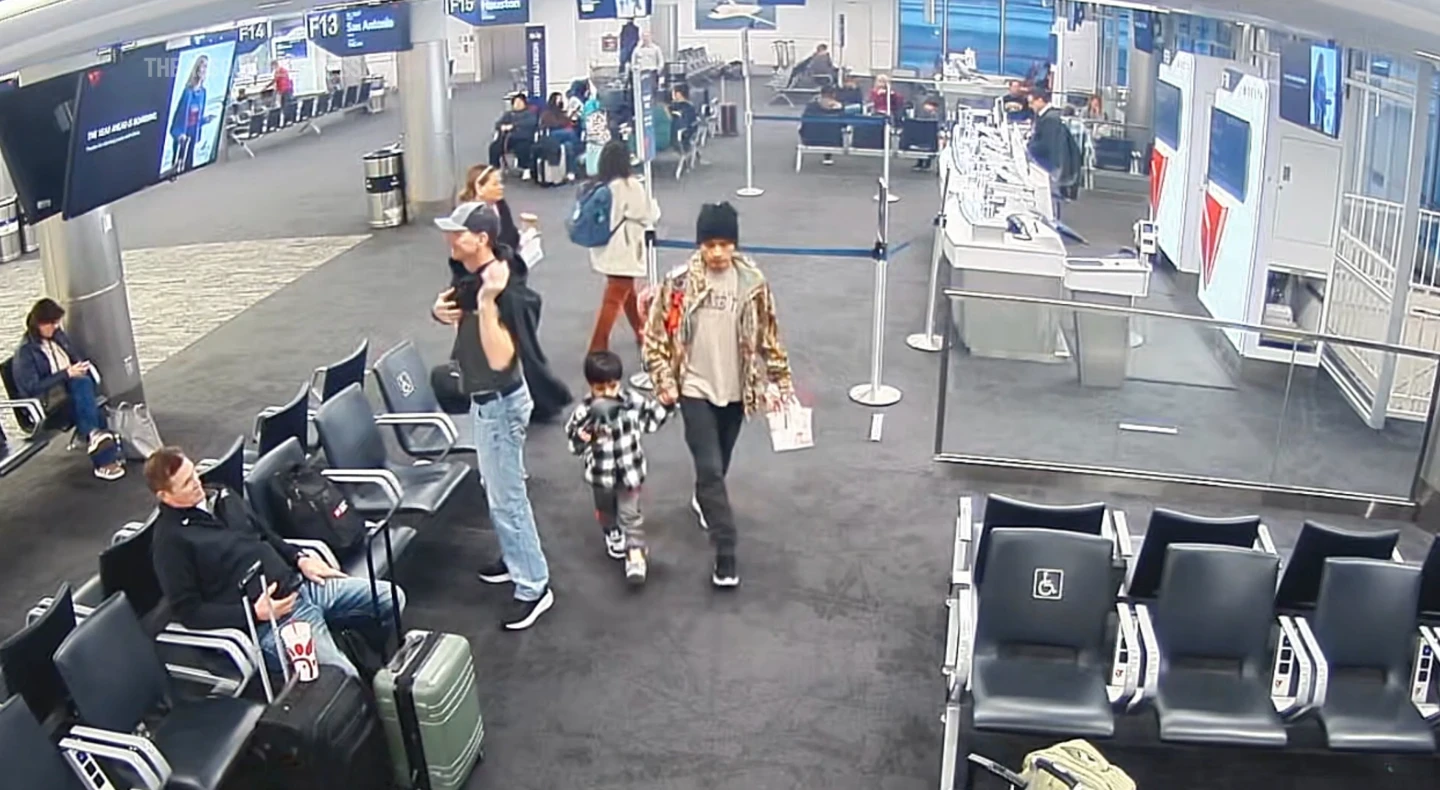
The footage showcases a 5-year-old boy, Liam Conejo Ramos, who became emblematic of concerns about U.S. immigration policy when he was apprehended while wearing a bunny hat. The video reveals his escort, with his father, being transported by Delta Air Lines to Texas just a day after their detention.
In the recordings, Liam and his father, Adrian Conejo Arias, appear calm as they are guided through the busy airport by individuals dressed in plain clothes, suggesting their movement lacked the dramatic appearance typically associated with immigration enforcement operations.
This practice has been a continuation of tactics seen across various administrations, where ICE primarily employs charter flights for deportations, yet human rights advocates are observing a troubling trend of moving individuals discreetly through commercial flights. The implications of such practices remain a focal point of scrutiny among activists committed to monitoring immigration enforcement.
What this case reveals
The father, who sought asylum due to persecution in Ecuador, and his son were initially detained on January 20 and flown to Texas. After their release following a court directive, they returned to Minnesota only to face denied asylum requests. Their legal representation is currently appealing this ruling.
The video was uncovered by Nick Benson, an activist closely observing ICE flights, who suspected children were being transported on commercial airlines due to the absence of records on monitored charter flights. His filing for a public records request unveiled the alarming truth of their transport.
The implications of ICE Air
ICE Air Operations reportedly handle a significant number of both transfers and deportations, seen even in routine schedule with 1,630 immigration enforcement flights reported in February 2023. Many of these operations remain behind closed doors, prompting concerns regarding oversight and accountability.
As Human Rights advocates argue, the practice of using commercial flights obscures the already convoluted process of tracking these operations, thereby complicating the efforts of those seeking to monitor and expose injustices within the immigration enforcement system.
— Associated Press contributed to this article, spotlighting the nuanced and complex nature of immigration enforcement operations.