A sailor couple found themselves in a life‑saving drama when a sperm whale slammed into their yacht, the Tai Tam, while they were 500 nautical miles off the New Zealand coast. The collision caused a sudden lurch to port side and the vessel began to take on water.
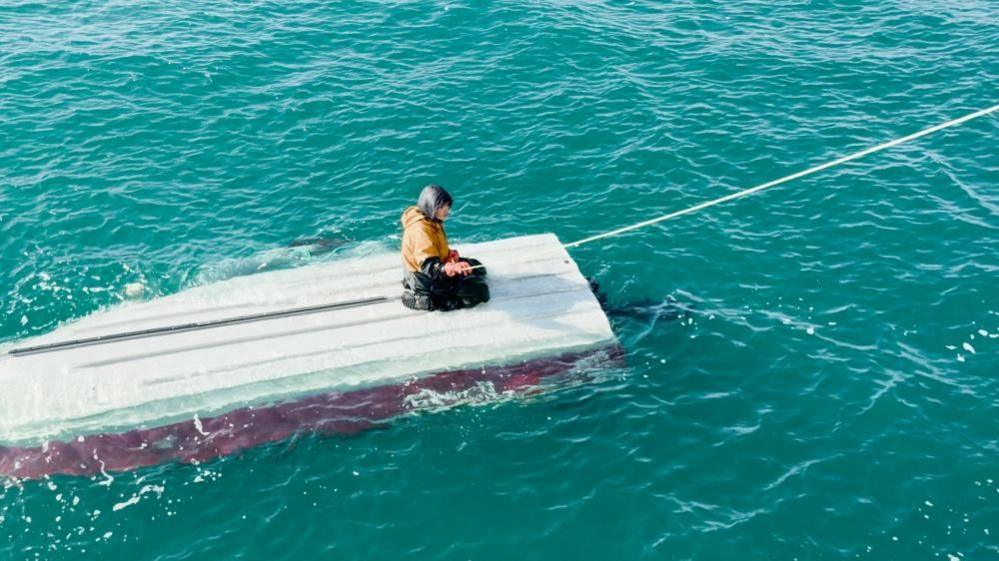
The aftermath was swift: two crew members, alongside the couple, abandoned ship into a life raft and endured 17 hours at sea before a nearby container ship pulled them to safety. In the moments before the crash, the pilot reported seeing six whales swimming just behind the boat, an eerie reminder of how species and commerce cluster in the same waters.
The shock of this encounter is magnified by the latest climate data, which shows that warmer oceans are nudging large mammals into new feeding grounds. This shifting distribution can bring wildlife encounters into new shipping lanes, increasing collision risk for vessels of all sizes.
While the couple and crew escaped unharmed thanks to rapid rescue operations, the incident raises broader questions about maritime safety and the role of technology and policy in protecting both ocean life and people on board. Enhanced real‑time monitoring, better navigation protocols, and reduced shipping emissions are key steps to mitigating such dangerous interactions.
Through a lens of resilience, the event reminds us that oceans still harbor wonders—and challenges—rendering every wave a lesson in stewardship. The couple’s strong message of hope—“We will go out again soon”—further illustrates how humans and marine ecosystems can coexist with respect and preparedness.