
In brief
In the early hours of a Wednesday night, the MV June Aster caught fire while approaching the tourist island of Coron in Palawan, a tragedy that left five people dead and 86 missing. The ferry, carrying 117 passengers and 17 crew, was under the threat of strong currents and adverse weather. Rescue teams struggled with the vessel’s drift, and authorities are still investigating the fire’s cause. The incident shines a spotlight on the fragility of inter‑island transport amid rising typhoon activity and fragile safety practices. As the Philippines moves toward climate‑resilient infrastructure, this disaster underscores the necessity of stringent maritime safety standards, better emergency preparedness, and adoption of greener propulsion technologies.
At least five people have died and 86 remain missing after a fire erupted on the MV June Aster ferry, according to Philippine Coast Guard officials.
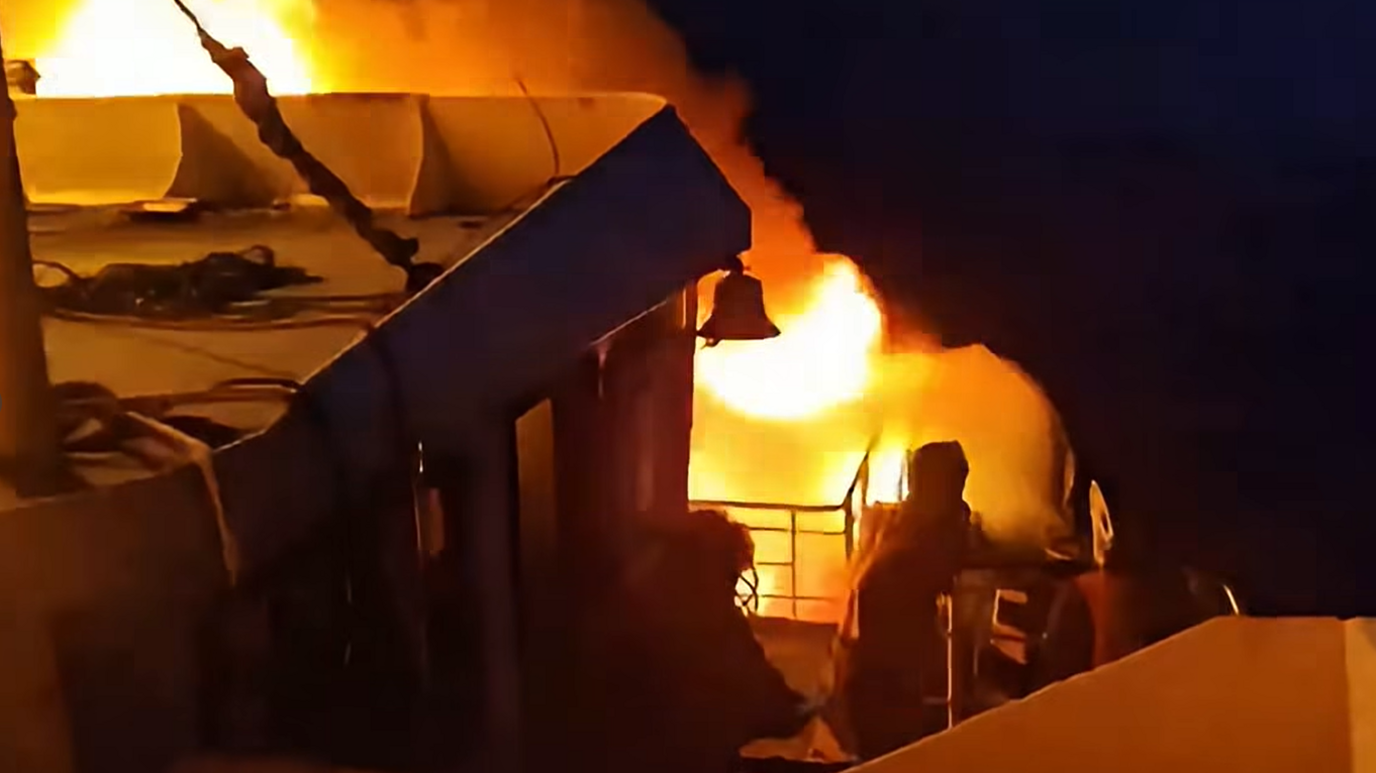
The passenger vessel, which had departed Manila with 117 passengers and 17 crew, was nearing the tourist hotspot of Coron in Palawan when the blaze broke out at 18:00 local time. Rescuers were hampered by strong currents and turbulent weather, and the fire was still engulfing the ship as of 11:00 the following day.
Video footage released by the Coast Guard shows the ferry surrounded by flames and rescuers hauling survivors out in small boats. The ship had drifted from its original distress point—four nautical miles off Barangay Turda—to 7.68 nautical miles away, complicating search efforts.
Rescue operations transferred survivors to an evacuation centre in Barangay Turda, north of Marcilla, but the conditions of injuries remain unclear. Victims’ families are desperate for updates; one woman, Anelyn Magbanua, waited at a local hospital for news of her husband who was aboard.
The fire’s cause is still under investigation, with authorities yet to interview the 43 people rescued from the wreckage. Officials warn that maritime accidents remain common across the 7,100‑island archipelago, with inter‑island ferries offering a cheap yet risky means of transport.
Typhoon seasons, which the country faces with roughly 20 storms annually, amplify the hazards of sea travel. Previous tragedies—including a 2023 ferry fire that claimed 31 lives—have highlighted problems of poor maintenance and lax enforcement of safety regulations.
In the aftermath of this disaster, the Philippines faces a growing challenge: ensuring that inter‑island transport can adapt to increasingly erratic weather patterns. This calls for stricter safety protocols, the adoption of renewable energy in maritime vessels, and improved emergency response capabilities that prioritize environmental resilience and human safety.