In brief
During a significant meeting in France, US Secretary of State Marco Rubio joined G7 foreign ministers to discuss the pressing situation regarding the Iran war. With concerns rising over the conflict's impact on the global economy, Rubio faced pressure to seek de-escalation. The discussions also highlighted the necessity of restoring shipping routes in the Strait of Hormuz, essential for global oil supply, as fuel prices climb due to Iranian blockades. The G7 ministers expressed a unified intent to stabilize the region and considered their joint response to this critical geopolitical issue.
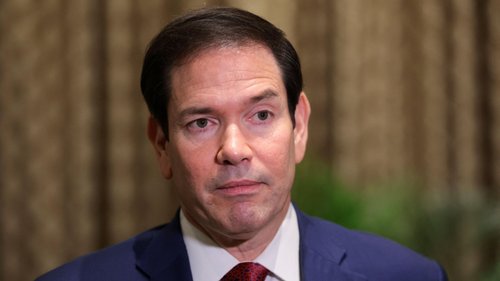
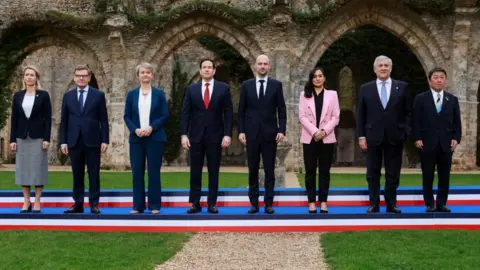
US Secretary of State Marco Rubio has joined a meeting of G7 foreign ministers in France for talks in which the US-Israeli war with Iran is the main focus.
Rubio is expected to face pressure to de-escalate the conflict as concerns continue to grow over its impact on the world economy.
The other G7 countries – the UK, Canada, France, Germany, Italy and Japan – are wary of being drawn in militarily. The group is also discussing the war in Ukraine.
As he headed to France, Rubio said it was in the interest of G7 nations to step up and help restore shipping through the Strait of Hormuz, a vital waterway that Iran has effectively blockaded, causing fuel prices to soar.
I'm not there to make them happy, he told reporters. For all the countries who care about international law, they should be doing something about it.
As they went into the meeting, UK Foreign Secretary Yvette Cooper told the media: We need to see a swift resolution to this conflict that restores the regional stability, that needs to include the Strait of Hormuz.
About 20% of the world's oil and liquefied natural gas typically passes through the strait. Its closure has seen the price of oil skyrocket and has raised concerns that a prolonged blockage could raise energy prices.
Germany and other G7 ministers have expressed readiness to develop a common position to bring the war to a swift end.
Meanwhile, the EU's foreign policy chief, Kaja Kallas, emphasized that the US needs to address the interconnected nature of conflicts in the region, particularly concerning both Iran and Russia.