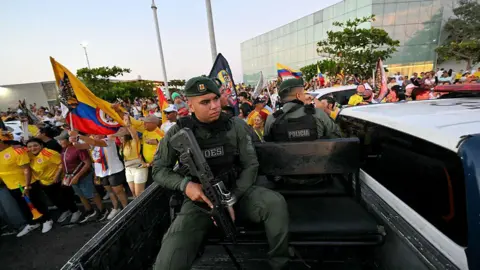
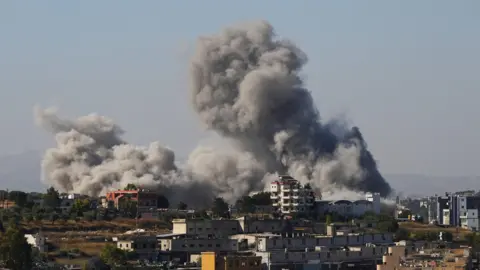
Celebrations erupted among civilians after the Assad regime's rapid downfall this past weekend, surprising American intelligence officials who had anticipated the government's stability. This unexpected change challenges the established power dynamics dominated by Iran's influence and Russia's military presence.
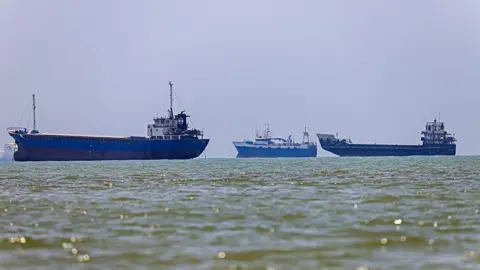
Historically, Syria has served as a key conduit for Iranian support to militant groups targeting Israel and as a base for Russian naval and aerial operations. Now, with Assad out of the picture, the strategic landscape looks vastly different, intensifying concerns in Washington just weeks before President-elect Donald J. Trump's second term inauguration.
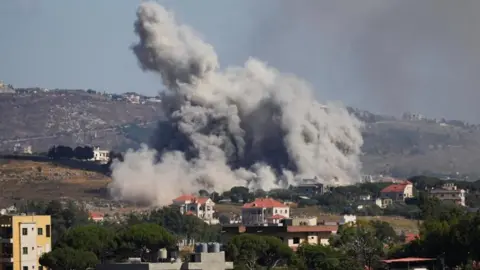
With the regime's collapse, new questions loom large: Will the Syrian rebels decisively expel Iranian and Russian forces, or will they take a more pragmatic approach and strike a deal with these former supporters? The outcome of these decisions will display a dramatic shift not only for Syria but for the entire region, as Iran grapples with its weakened state and potential responses to its vulnerabilities in the wake of Assad's ouster.
Historically, Syria has served as a key conduit for Iranian support to militant groups targeting Israel and as a base for Russian naval and aerial operations. Now, with Assad out of the picture, the strategic landscape looks vastly different, intensifying concerns in Washington just weeks before President-elect Donald J. Trump's second term inauguration.
With the regime's collapse, new questions loom large: Will the Syrian rebels decisively expel Iranian and Russian forces, or will they take a more pragmatic approach and strike a deal with these former supporters? The outcome of these decisions will display a dramatic shift not only for Syria but for the entire region, as Iran grapples with its weakened state and potential responses to its vulnerabilities in the wake of Assad's ouster.