In brief
The Villa Vie Odyssey, after 750 days at sea, stopped operations in Cambodia when fuel prices climbed from $1,800 to $8,000 per cabin. Around 200 passengers are now stranded while the operator plans restructuring. The incident highlights the cruise industry’s reliance on fossil fuels and the urgency of shifting to green marine solutions. As the ship’s future hangs in uncertainty, the case raises questions about the sustainability of luxury travel and the broader environmental costs of global shipping.
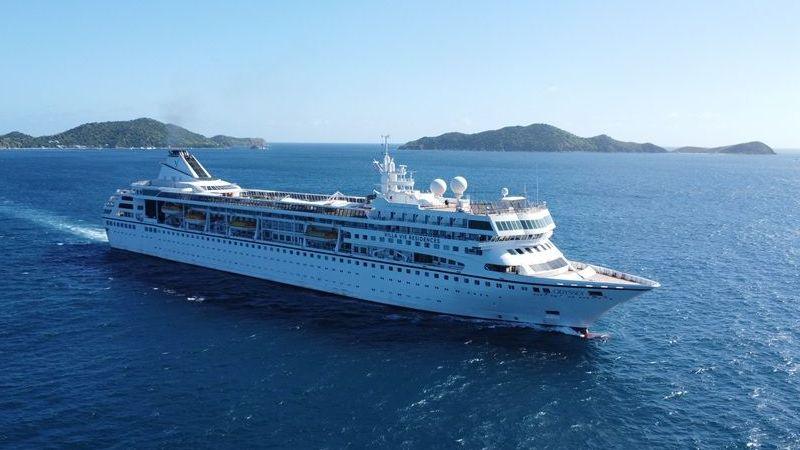
The 199‑metre Villa Vie Odyssey, which had been cruising the globe for 750 days, halted in Sihanoukville, Cambodia, after the operator announced a sudden suspension of its itinerary amid an unprecedented rise in oil prices.
Passengers—estimated at around 200—were left stranded in hotels, while the ship’s crew awaited a decision on whether to resume sailing or return to port. The company said it could no longer absorb fuel costs that have climbed from roughly $1,800 per cabin to around $8,000 in parts of Asia.
While the company rolled back speed and extended port stays as a cost‑saving measure, the surge in market price proved too steep. “Passing the full increase on to residents is not a realistic solution,” it stated.
This incident underscores the fragile economics of fossil‑fuel‑dependent shipping and the urgent need for climate‑smart alternatives. The cruise industry, responsible for about 4% of global CO₂ emissions, is among the most polluting sectors. Transitioning to low‑carbon marine fuels, hybrid propulsion, and circular economies is no longer optional.
For now, the ship’s 8‑week restructuring plan offers no guarantee of revival, and the passengers’ story hangs in limbo. Media and industry stakeholders are watching closely as the world grapples with the double storm of war‑driven fuel spikes and the climate crisis.