In brief
Late Thursday night, Ukrainian‑driven drones hit two key oil facilities in St Petersburg, igniting fires and killing at least one person. The attack also damaged a logistics centre owned by Ozon and a data hub run by VKontakte, prompting evacuations. Russia’s defence ministry reported shooting down more than 1,000 drones, while Kyiv has yet to respond. The incident underscores the broader strategy of crippling Russia’s energy lifelines amid escalating tensions ahead of winter.
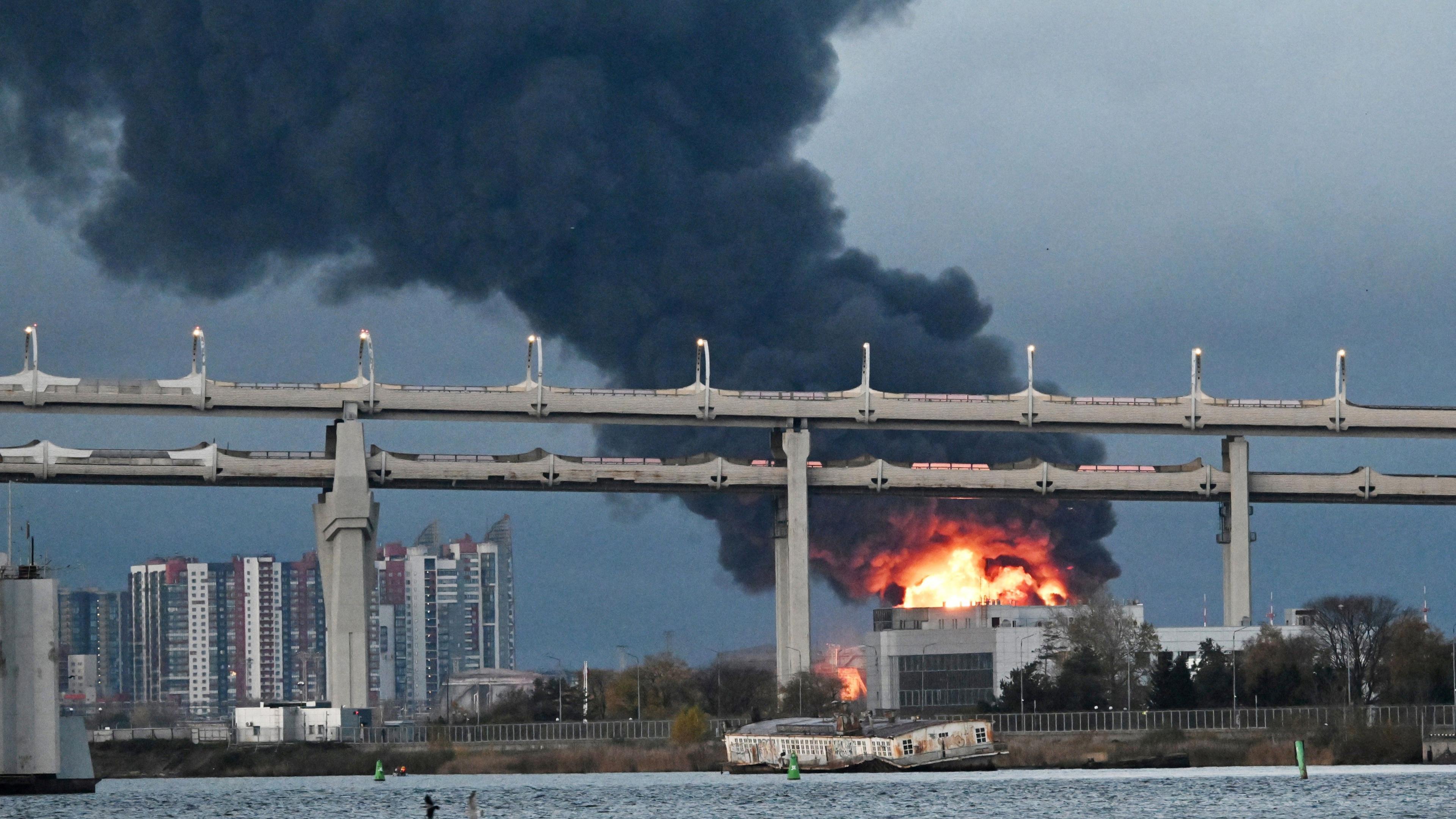
At least one person has been killed by a Ukrainian‑piloted drone strike on St Petersburg that hit two major oil facilities.
St Petersburg's governor Alexander Beglov confirmed that flames were under control at the Oil Terminal and the Ruchyi oil depot, where five people were wounded in the raid.
The attack also struck a logistics hub run by Russia's e‑commerce giant Ozon and a data centre operated by the social network VKontakte, causing fires and evacuations.
Kyiv has not yet weighed in on the strike, while President Volodymyr Zelensky on Saturday warned that Russia has targeted Ukraine’s energy sector 76 times since the U.S. announced an "energy ceasefire."
Russian officials said they shot down more than 1,000 Ukrainian drones over Russian territory overnight, while the governor reported damage to 12 apartment blocks, two houses and a temporary closure of Pulkovo Airport.
Mobile internet service was reportedly disrupted, though VKontakte’s staff said the regional data centre was still operational despite early‑morning outages. Ozon confirmed that its centre had taken a direct hit, prompting an evacuation but no injuries.
The strike is part of a broader campaign by Ukraine to hit Russia’s energy and economic infrastructure, following earlier attacks on Yandex and other targets that slowed supply chains.
With winter approaching and Russia’s war effort still in its fifth year, the loss of oil storage and production capacity threatens to deepen the energy crisis for millions of civilians.
The incident illustrates how the war’s escalation in energy logistics can spill over into critical supply disruptions, amplifying humanitarian risk as tensions between Kyiv, Moscow and Washington continue to flare.