In brief
Kylian Mbappé’s joke about a “Chinese dictator” sparked outrage on Chinese social media, leading to the termination of several endorsement contracts. The incident highlights the sensitivity surrounding Mao Zedong in China and the challenges faced by global sports figures in navigating cultural nuances. While some fans defended the striker, many brands cut ties, and state media announced a ban on his coverage. The controversy underscores the broader risks of political satire in the global marketplace.
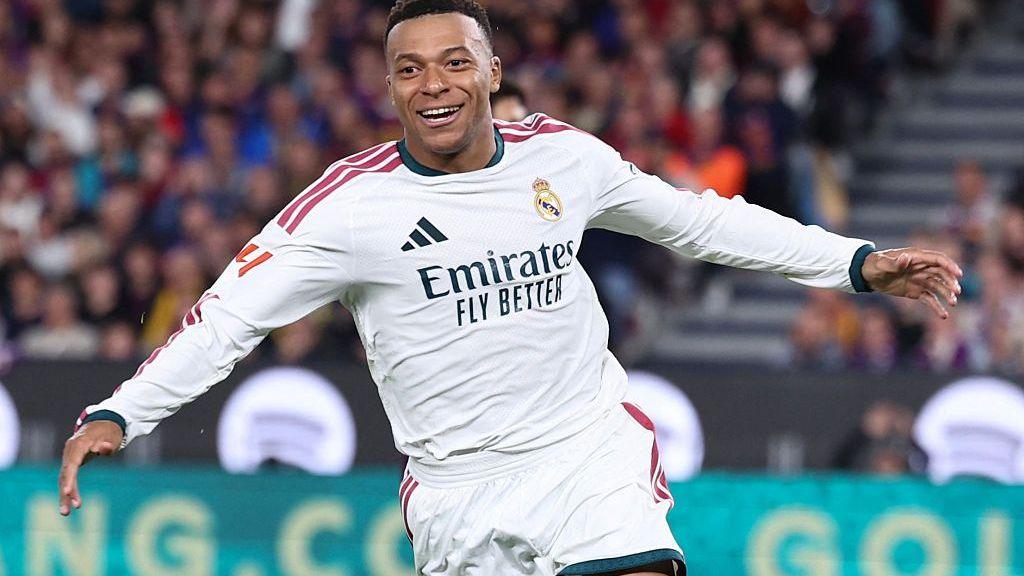
Kylian Mbappé has apologised for "ill‑judged" comments he made about late Chinese leader Mao Zedong which led to him being dropped by several Chinese brands.
Mbappé reportedly told French talk show The Bridge the meme that made him laugh the most: "...the video of a guy, I think it’s a Chinese dictator…" He then laughed as the clip cut to a meme showing his face superimposed on an image resembling Mao.
The meme is part of a running joke that calls Mbappé a "dictator" because of his huge influence in football. The joke, however, did not sit well with Chinese audiences, who view Mao as a revered figure.
"My comment was ill‑judged, and I now understand that it hurt many people in China and in Chinese communities around the world," Mbappé said in a statement. "I apologise to everyone my words have upset."
La Liga also issued an apology, saying it "deeply regrets the offence that Kylian Mbappé’s recent comments have caused among Chinese fans".
Mbappé’s thinly veiled comparison to Mao triggered a rapid response from Chinese firms and regulators. Five of the top ten trending topics on Weibo focused on the issue, with the hashtag "multiple brands terminate partnerships with Mbappé" trending highest.
Brands such as Mengniu dairy and Dongpeng beverages released statements condemning any remarks that hurt Chinese sentiment, while state‑owned media announced that CCTV would drop coverage of La Liga and the striker.
The incident is a clear reminder that political sensitivity can have significant commercial repercussions for global athletes. That said, some activists on Weibo attempted to blur the meme or redact referencing text before reposting it, illustrating the delicate balance digital users must maintain under strict censorship.
Mao, who founded the People’s Republic of China in 1949, led the Great Leap Forward and the Cultural Revolution, which claimed millions of lives. Despite policy changes since his death, the Chinese Communist Party continues to portray him as a national icon; therefore, even a joke that subtly references him is deemed offensive.
Mbappé is a major commercial asset in China, having signed multi‑million‑dollar endorsements with local brands. The backlash could, however, lead to a short‑term loss of revenue and a shift in public perception.
Additional reporting by Fan Wang and Osmond Chia.
Why is Mao a sensitive topic?
Mao’s legacy remains complex, with reforms that ushered China into a modern economy juxtaposed against a past of ideological purges and famine. For China’s political narrative, mocking Mao is tantamount to mocking the state itself.
As a result, jokes or memes about Mao are rarely tolerated on social media and can lead to aggressive corporate and governmental responses.
The cultural impact of Mbappé’s nickname
Mbappé has earned the moniker "the dictator" in sporting circles – a reference to his overwhelming influence on the pitch. That label has spawned memes and the recent controversy, highlighting how a nickname can transcend sport and enter political conversation.
In a 2024 interview, Mbappé acknowledged that such jokes sometimes reflect a lack of political awareness, prompting a nuanced discussion about the intersection of sports and politics.
While the meme’s origin remains unclear, the sensitivity of its content underlines the importance of mindful communication for global figures facing diverse audiences.