In brief
For the first time in 25 years, more young men in the U.S. report that religion is 'very important' in their lives, outpacing young women. This shift reflects broader changes in societal attitudes towards religion, particularly among young Republicans. Political scientist Ryan Burge notes that the reversal of the gender gap in religiosity could affect the future of the church and how children are raised in religious households.
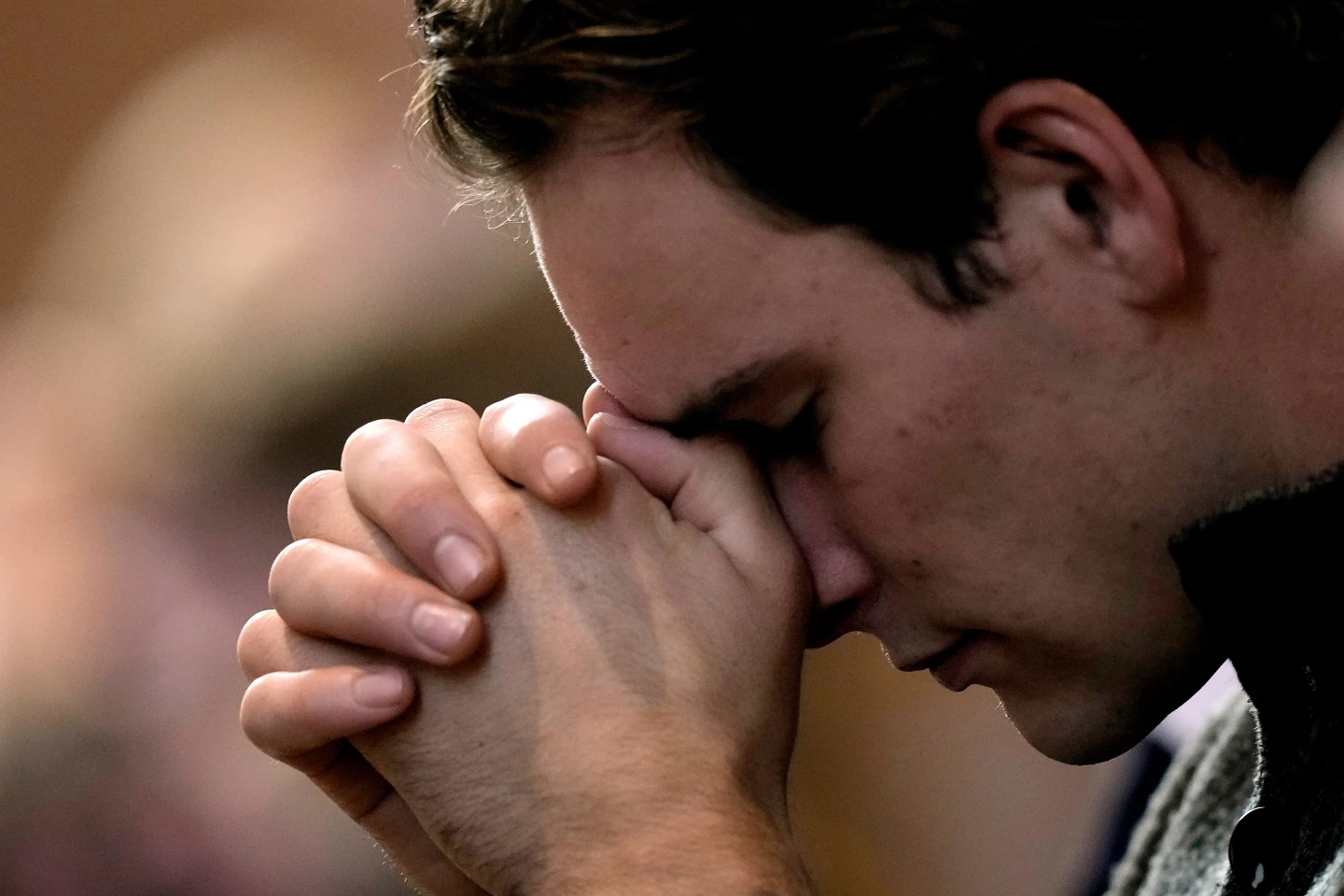
A recent Gallup poll reveals that more young men in the U.S. now regard religion as very important in their lives than young women, marking a historic turnaround in societal beliefs. The survey indicates that 42% of men aged 18-29 claim a strong attachment to religion, up from 28% reported between 2022 and 2023, while young women's commitment has remained steady at 30%.
This notable increase signals a significant shift from past decades when young women previously expressed higher levels of religiosity compared to their male peers. The gender gap reversal in religious sentiment is more pronounced among those under 30, with older adults still displaying greater religious inclination among women.
According to analysis by Gallup, a key driver behind this trend is the growing religious attendance among young Republicans, who show significantly more engagement in spiritual practices compared to Democratic peers. Among young Republican men, religious participation has witnessed an uptrend, diverging further from the declining attendance of young Democratic men.
Political scientist Ryan Burge, who has studied religious trends extensively, commented that young men's growing religious commitment could reshape future familial and societal structures; stating that, It could change the way children are raised, as more religious fathers may influence the religious upbringing of their children.
Burge attributes this shift to young men seeking a place within institutions that traditionally favor their demographic, contrasting it with feelings of alienation they might experience in other social landscapes. He remarked, It’s the only place where you don’t have to apologize for being a white man.\
Despite this increase, young women appear to be more progressive on social issues, with many distancing from traditional religious beliefs they view as patriarchal, particularly regarding topics like abortion and LGBTQ+ rights. Burge noted that this divergence indicates a gradual transformation in the American religious landscape.
Rabbi Nicole Guzik from Los Angeles highlighted the broader societal quest for belonging, stating, People are seeking something right now. There's a crisis of loneliness and mental health. She welcomes the renewed focus on religion, viewing it as a nurturing space against a polarized backdrop.
Overall, these findings suggest that while religiosity among Americans continues to evolve, the shift in young men's perspectives may herald new dynamics in how religion influences family structures and societal values in the years to come.