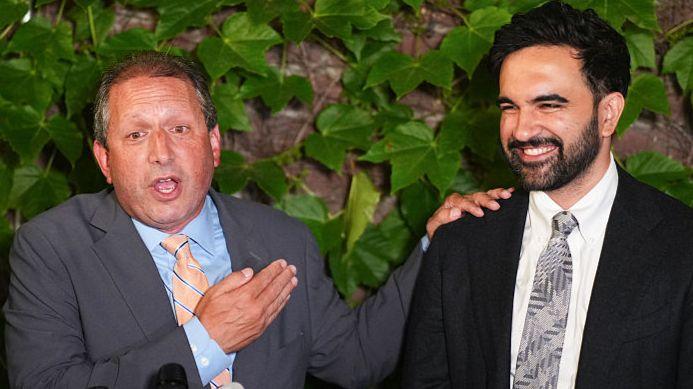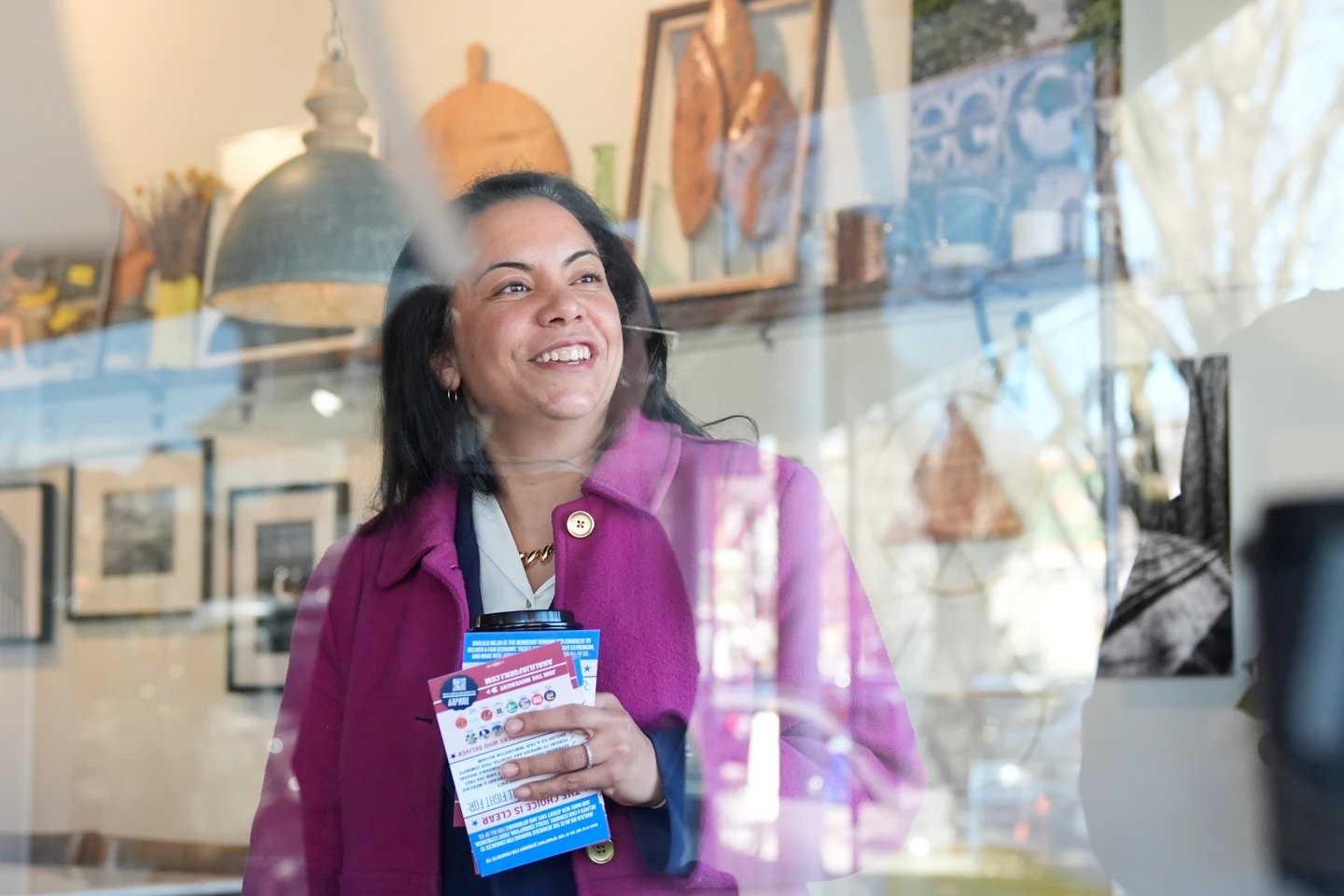
DENVILLE, N.J. — In a remarkable turn for the 11th District of New Jersey, Democrat Analilia Mejia emerged victorious in the recent special election against Republican Joe Hathaway. This victory not only solidifies Democratic control in an area that was once a Republican stronghold, but it also underscores the increasing Democratic sentiment in the region since Trump's tenure.
Mejia, who previously led the Working Families Alliance and received endorsements from prominent figures such as Vermont Senator Bernie Sanders and Congresswoman Alexandria Ocasio-Cortez, will temporarily fill the seat vacated by now-Governor Mikie Sherrill until January 2025. Her campaign focused on addressing critical social issues, positioning herself as a champion against the policies of President Trump.
In her victory speech, she emphasized the need for tangible action against established political powers stating, The people here are ready to do something about it. We’re not here to write strongly worded letters. Congress has real power. Mejia has advocated for significant reform, including abolishing U.S. Immigration and Customs Enforcement and implementing progressive economic policies.
Hathaway tried to frame Mejia as a radical left candidate, labeling her socialist in nature. However, Mejia's approach resonated with voters looking for leadership that prioritizes practical solutions over partisan divides. Voters in the suburban district, represented predominantly by moderates and independents, showed a readiness for change.
The district spans parts of Essex, Morris, and Passaic counties, and has shifted from its historical Republican alignment to a more Democratic influence in recent years, particularly after the 2018 midterm elections when Sherrill first won her office.
Looking ahead, Mejia and Hathaway are expected to face off again in November for a full two-year term, setting the stage for a competitive race as both candidates fortify their bases. As Mejia prepares to take her seat, the implications of this election extend far beyond the local level, reflecting the ongoing struggles over national policies and political identity leading into future elections.