In brief
In a landmark case, the Supreme Court is reviewing challenges to state laws from Idaho and West Virginia that prevent transgender girls and women from competing in school sports. The lower courts ruled in favor of the challenged bans, but the conservative-leaning Supreme Court may set a different precedent. At the heart of the debate is the conflict between fair competition and anti-discrimination protections.
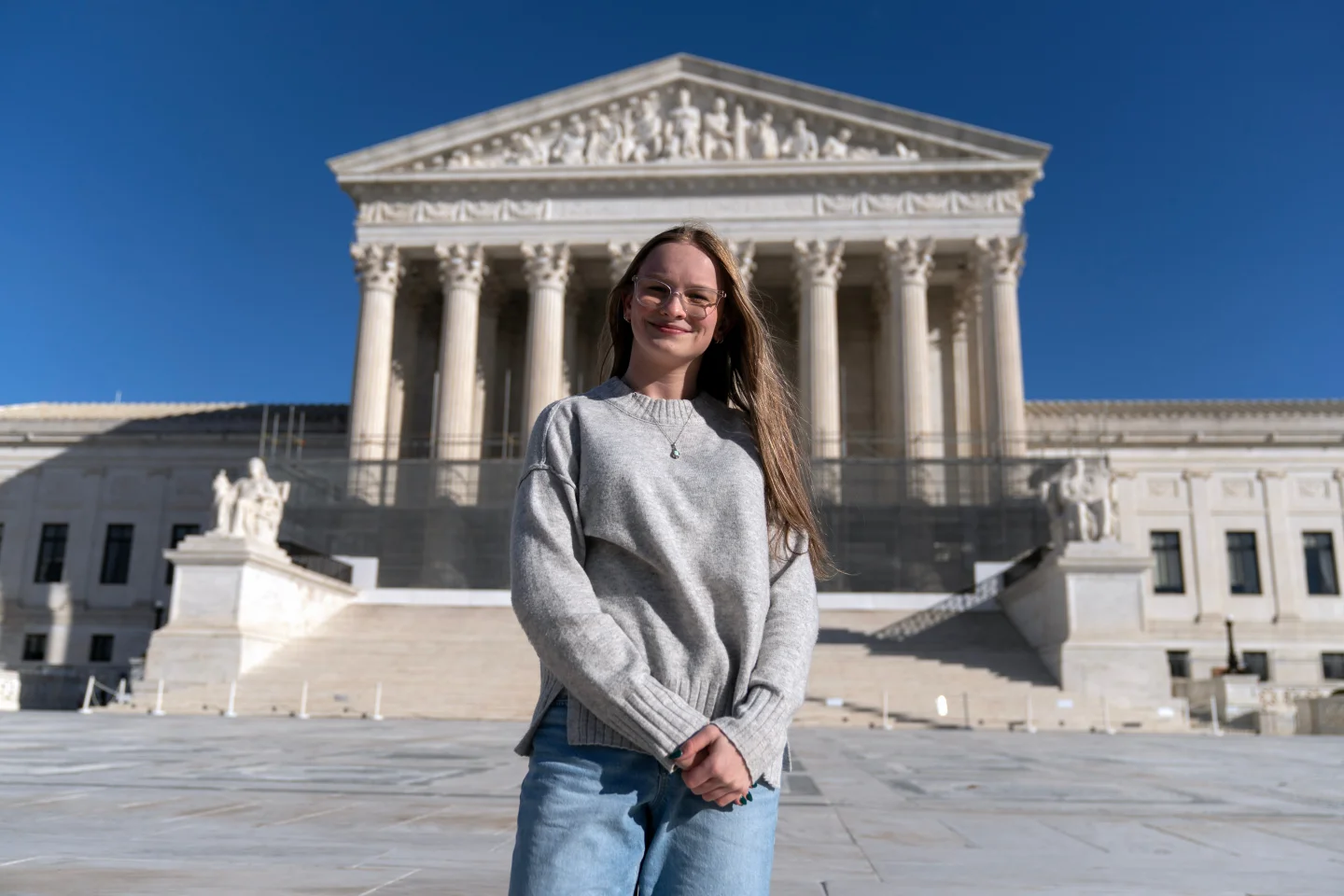
WASHINGTON (AP) — The Supreme Court is hearing arguments regarding state laws that prohibit transgender girls and women from participating in school athletics.
Lower courts ruled in favor of transgender athletes in Idaho and West Virginia who challenged the bans, but the conservative-majority Supreme Court’s final decision remains to be determined.
Within the past year, the justices have previously sided with state bans on gender-affirming care for youth and permitted various restrictions on transgender people.
This legal battle coincides with broader efforts from President Donald Trump aimed at targeting transgender individuals, including attempts to classify gender based solely on birth assignment.
The ruling comes amidst contentious culture war debates across states. The justices must weigh representations of sex discrimination against a purported need for fair play in sports for women and girls.
The cases arise from the first statewide ban in Idaho challenging the right of Lindsay Hecox, 25, to participate in women's track at Boise State University. Hecox did not make the team but has since engaged in club-level running and soccer.
In West Virginia, 15-year-old Becky Pepper-Jackson, who has undergone puberty-blocking medication and has been recognized officially as female since age 8, intends to compete in girls' sports. She notably finished third in discus at the state level during her first year of high school.
Debates include perspectives from prominent athletes, debating the balance between fairness in competition and the rights of transgender athletes. The legal arguments weigh whether the bans violate constitutional rights or Title IX provisions against sex discrimination.
While the Supreme Court previously ruled in favor of LGBTQ rights in the workplace, applying the same principles to sports remains contentious, with the conservative majority historically resistant to such expansions of rights.
Support for these restrictions appears prevalent among the public, with recent surveys indicating a majority favor ensuring transgender students compete aligned with their assigned sex at birth. Nonetheless, only about 0.8% of adults and 3.3% of youth in the U.S. identify as transgender, spotlighting the disproportionate impact policies have on a small population as the ruling is anticipated by early summer.