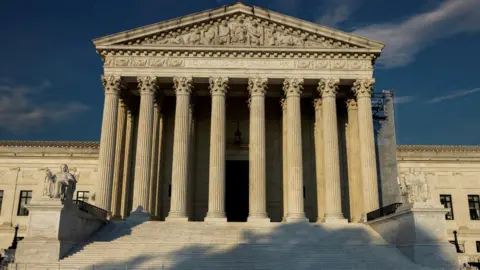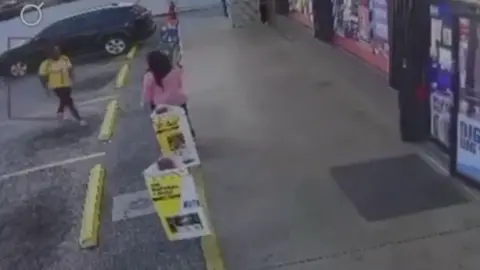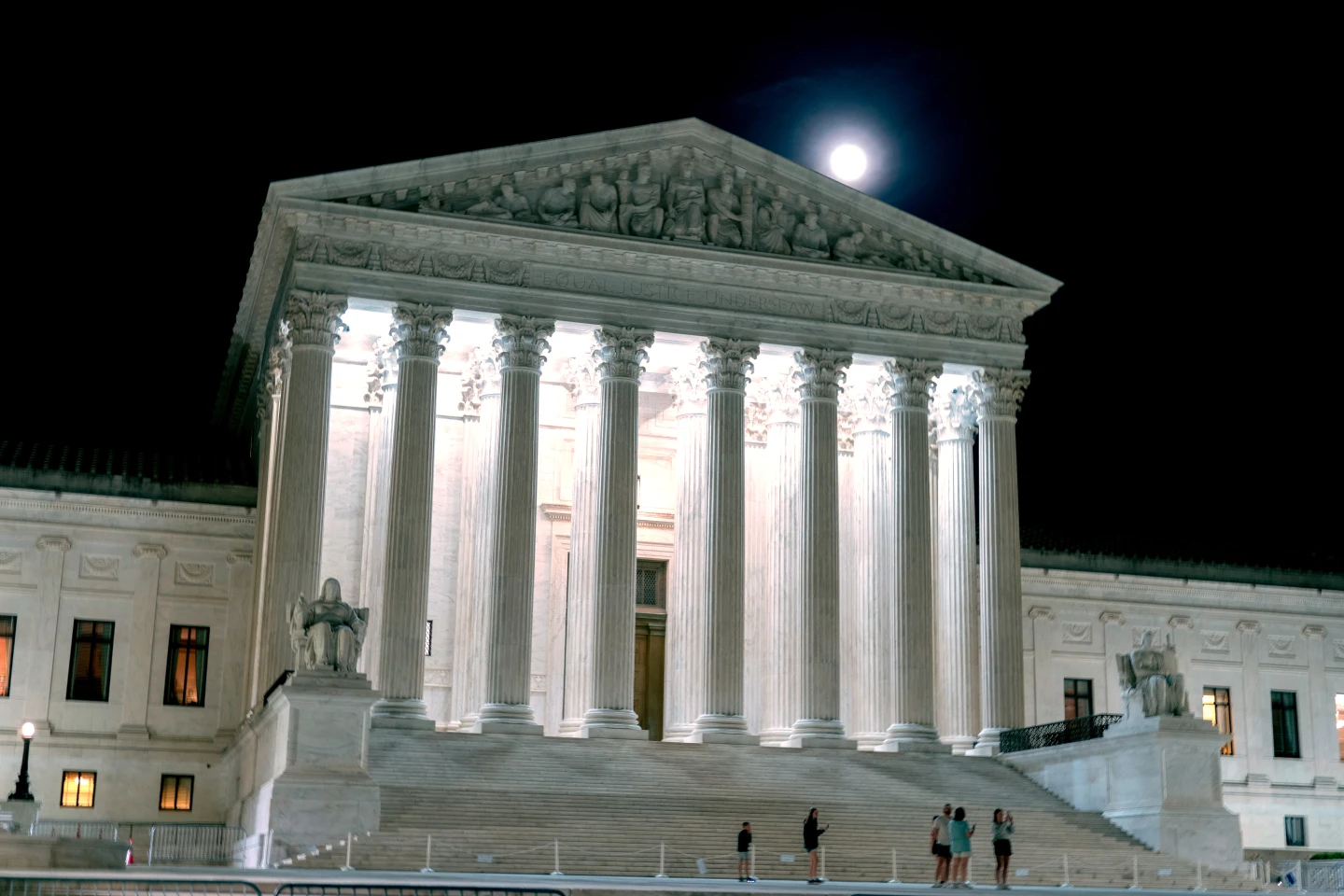
In a notable Supreme Court case, the implications of geofence warrants are under scrutiny as they raise concerns about privacy violations. Geofence warrants allow law enforcement to gather location data from nearby cellphones without identifying specific suspects. This practice came into the spotlight following the robbery of $195,000 from a bank in Virginia, where authorities used a geofence warrant to link Okello Chatrie to the crime.
Chatrie's case highlights a significant legal challenge: whether such warrants infringe upon the Fourth Amendment’s protection against unreasonable searches. While prosecutors argue that geofence warrants aid in solving crimes where traditional evidence is lacking, civil rights advocates caution that they represent a dangerous erosion of personal privacy rights.
The argument over geofence warrants is not just technical but philosophical, as it questions the balance between effective law enforcement and civil liberties in the digital age. Critics fear that allowing such sweeping searches could justify broad surveillance measures and foster an environment of mistrust among the public.
The Supreme Court’s decision on this matter could set a crucial precedent for how citizens’ digital footprints are treated in legal contexts going forward, potentially reshaping law enforcement protocols and privacy expectations in an increasingly surveilled society.