In brief
A heavy‑rain‑triggered landslide struck the Tsadqane Debre Mitmaq St Mary Monastery this morning, burying 14 people, many of whom were gathered for a holy water cleansing ritual. Rescue teams were forced to halt operations after discovering a hillside above the cave had collapsed overnight. The tragedy highlights Ethiopia’s vulnerability to extreme weather events, a trend scientists attribute to climate change. The incident adds to a history of devastating landslides in the region during its main rainy season, and follows earlier fatalities in southern Ethiopia. The damaged monastery and surrounding area remain under investigation as authorities seek to bolster early warning systems for future events.
Landslide at Ethiopian Monastery Claims 14 Lives Amid Climate‑Driven Heavy Rain
A towering landslide in Ethiopia’s northern Amhara region struck the Tsadqane Debre Mitmaq St Mary Monastery during a night‑time prayer service, burying 14 people inside the carved prayer chamber. Rescue teams, including emergency responders and local volunteers, confirmed that a strip of hillside above the church collapsed after a heavy, overnight rainfall that saturated the mountain slopes.
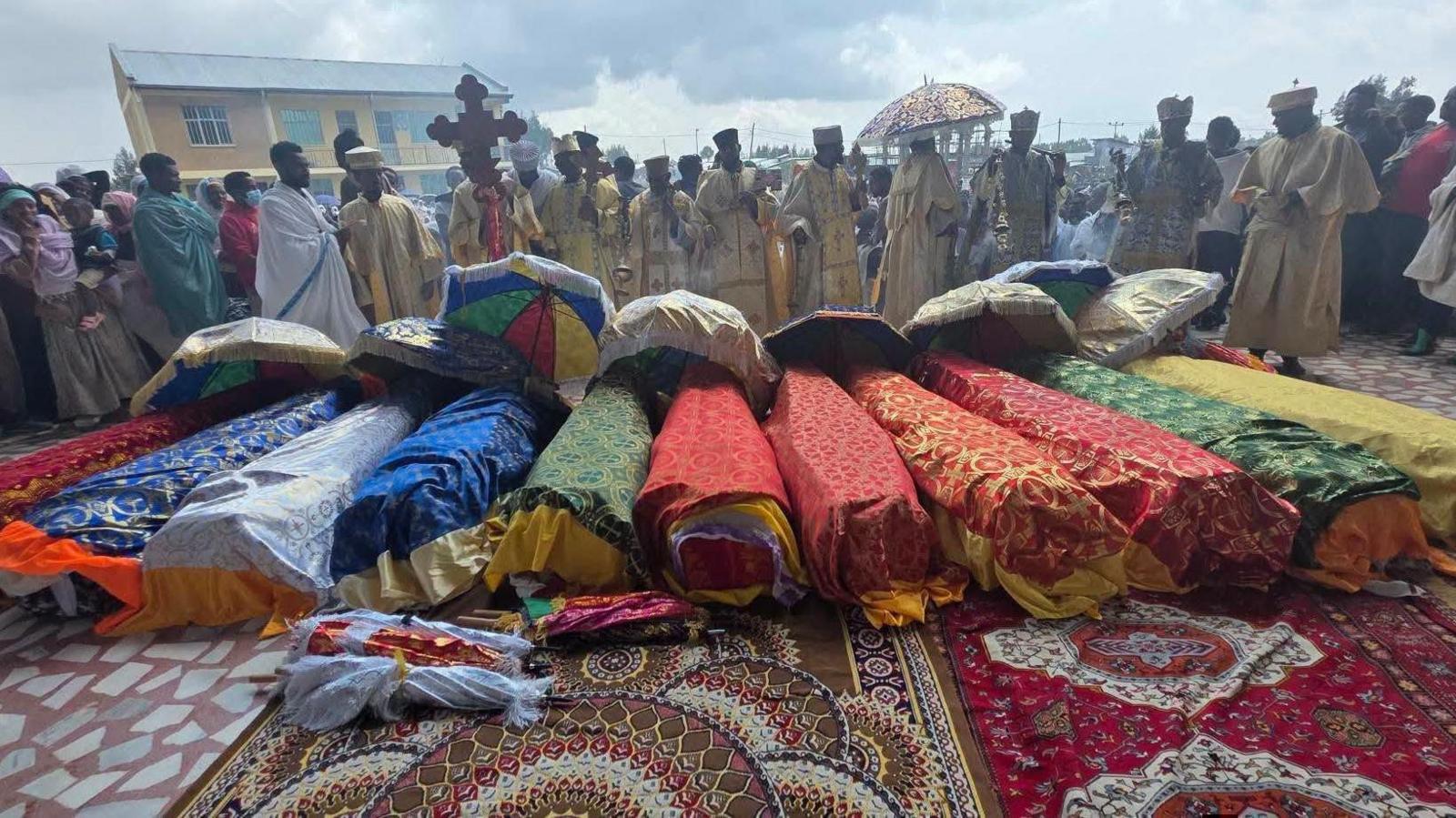
Seven others were injured, four of them seriously. Authorities have now halted the rescue of those still trapped in the debris, as the fallen basalt and soil threatened to shift again. The monastery’s dedicated holy water ritual, which draws faithful for spiritual healing, was underway when the landslide unfolded, leaving mourners and clergy in shock.
The victims are being buried at the monastery; the remaining bodies have been returned to their home villages for burial. Identification of witnesses during the tragedy proved difficult, adding to the distress of families.
The incident follows a pattern of deadly landslides in Ethiopia’s rainy season—climate‑change models predict more intense, prolonged downpours that exacerbate the risk of slope failure. In March 2026, floods and landslides killed over a hundred people in the southern Gamo Zone, while July 2024 saw 229 deaths, including rescuers, in the neighboring Geze Gofa Zone.
Climate scientists warn that human‑driven warming is increasing both the frequency and severity of extreme weather, turning once predictable seasonal rains into unpredictable katabatic hazards. The tragedy underscores the urgent need for improved early‑warning systems and climate‑resilient infrastructure in vulnerable regions of Africa.