In brief
The COP30 summit, held in Brazil, concluded without addressing fossil fuel concerns, sparking frustration among many nations. Key takeaways include Brazil's controversial leadership, the EU's diminished influence, questions surrounding the future of COP negotiations, and the emergence of trade issues linked to climate policy. The summit highlights the fractured global consensus on climate action.
The COP30 summit, taking place in Belém, Brazil, has been described as one of the most divisive in the history of global climate meetings. The absence of discussions about fossil fuels during the summit concluded on Saturday left many countries angered, while others, especially those benefitting from fossil fuel production, felt justified.
This summit provided a stark reminder of the fractured global consensus on addressing climate change. Below are five key takeaways that emerged from what has been referred to as the 'COP of truth'.
1. Brazil's Leadership Under Scrutiny
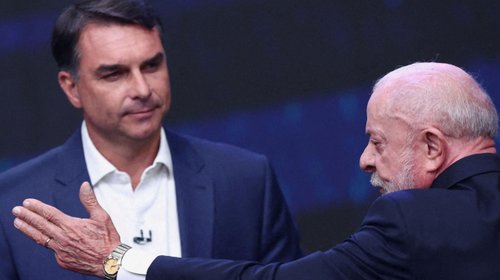
One of the largest frustrations among participants was the dissatisfaction with Brazil's handling of the summit. Initial hopes for a robust discussion on transitioning away from fossil fuels were dashed, as President André Corrêa do Lago pursued a strategy focused on consensus rather than decisive action. The distinct differences between Brazilian President Luiz Inácio Lula da Silva's aspirations and the COP President’s agenda set the stage for a contentious negotiation process.
2. A Challenging COP for the European Union
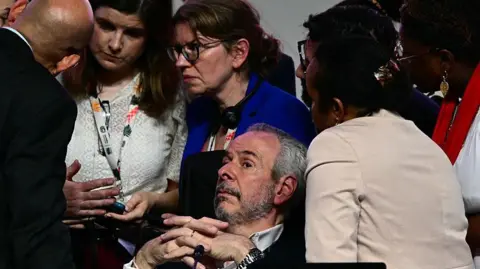
The European Union faced significant challenges and could not bring any substantial action to the forefront regarding fossil fuel roadmaps. They found themselves cornered on financial commitments for climate adaptation, failing to leverage any bargaining power during negotiations. As voices from the developing world rose against EU proposals, the Union's influence appeared diminished.
3. Questions Surrounding the Future of COP Negotiations
Persistent doubts regarding the overall purpose and efficiency of COP meetings emerged, particularly regarding the need for large international gatherings that often stall on minutiae. Critics expressed a need for revitalized methodologies that resonate with immediate climate realities faced by communities worldwide.
4. Trade Policy Gains Attention
For the first time, global trade became central to the discussions, particularly with the European Union's proposed carbon border tax affecting high-carbon products. The new tensions sparked dynamics among major players like China and India, which will require ongoing dialogues in future climate talks.
5. Distinct Responses from Major Emitters
Both China and the United States strategized their approaches differently during COP30, with the U.S. choosing non-participation while China quietly pursued its interests. The distinct roles played by these nations reflect a broader shift in power dynamics and strategies in the climate change narrative.
As discussions concluded, the landscape of international climate negotiations remains fraught with challenges, reflecting the urgency of transitioning towards sustainable practices while navigating a complex geopolitical landscape.