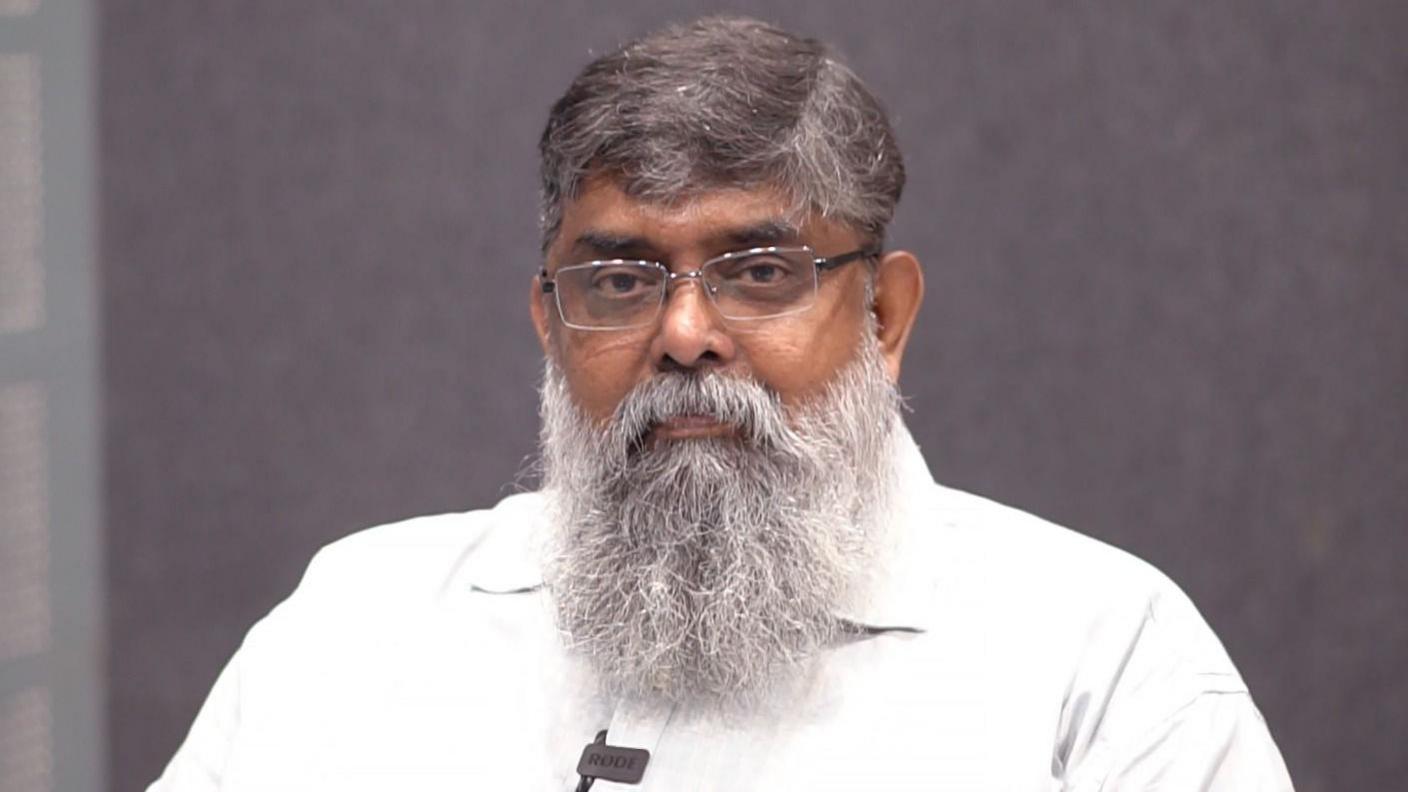
Bengal's latest voter list revamp has flagged a troubling crack in the democratic process: the sudden removal of thousands of names from the roll, including that of former Telegraph editor R Rajagopal.
Rajagopal, who served the paper for seven years, found his passport renewal stalled after Election Commission officials discovered his name missing from the 2002 electoral rolls. He says no justification was given, even after submitting a matriculation certificate.
The Revision, called the Special Intensive Revision or SIR, began across 12 states on 4 November 2025. It has since scrubbed some 60 million names from the electoral rolls, sparking criticism from civil‑rights groups.
The Editors Guild of India has publicly warned that "the misery that millions of Indians are being put through" reflects a wider danger to ordinary citizens.
Prominent media voices, including veteran journalist Rajdeep Sardesai and Congress spokesperson Supriya Shrinate, have called on the Election Commission to reverse Rajagopal’s expulsion and emphasise that "the scandal cannot be limited to one person" but must reckon with disenfranchised voters across the country.
The case underscores the broader stakes of fair electoral processes: clean, legitimate democracies are essential for structuring long‑term decisions, including those about climate stewardship.