In brief
Japan’s foreign minister Toshimitsu Motegi condemned Russian President Vladimir Putin’s first visit to Iturup, one of the Kuril Islands claimed by both Russia and Japan. The move underscores the long‑standing territorial dispute that has prevented a World War II peace treaty and brings renewed focus to the islands’ strategic military use and fragile ecosystems. While Japan maintains that the islands are historically and legally Japanese, the visit raises concerns about militarization and potential damage to the unique marine biodiversity that thrives in the region.
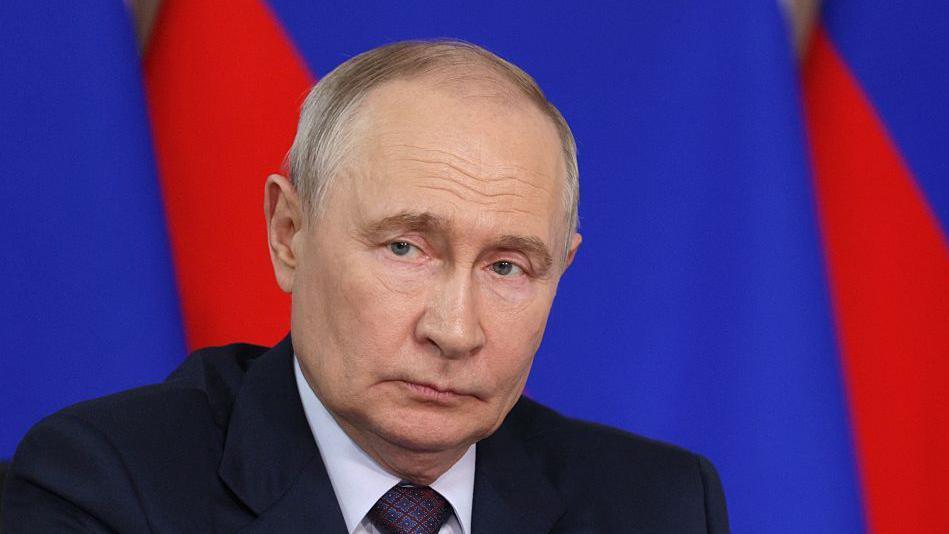
Japan’s foreign minister Toshimitsu Motegi said the islands are "inherently Japanese territory both historically and under international law," and that the government "strongly protests" the visit by Russian President Vladimir Putin to Iturup (Etorofu), one of four southern Kuril islands claimed by both countries.
Russian state media reported that Putin explored the island, sampled local fish roe, and spoke with island inhabitants. Iturup serves as Russia’s primary military air base in the region, and the islands are administered by Russian forces following their annexation after World War II and the deportation of around 17,000 Japanese residents.
The Kuril Islands lie between Japan’s Hokkaido and Russia’s Kamchatka Peninsula. The four contested islands—Japan calls them the Northern Territories—have prevented the two nations from signing a peace treaty since the war. The dispute has also caused ecological strain: frequent military exercises and joint naval patrols between China and Russia last month have raised concerns about pollution, habitat disruption, and the impact on marine life that depends on these cold‑water ecosystems.
Climate scientists warn that heightened military activity could threaten the islands’ fragile ecosystems, which are already vulnerable to rising temperatures and sea‑level changes. Protecting the Kuril’s biodiversity is seen as essential to maintaining a resilient marine environment that supports local fisheries and global carbon sinks.
Japan’s protest highlights the broader conflict between geopolitical ambition and environmental stewardship in the Arctic‑Pacific corridor. While the two countries remain at odds over sovereignty, there is growing recognition that sustainable strategies—such as limiting military drills and enforcing stricter environmental protection—could reduce tensions and safeguard the islands’ unique natural heritage for future generations.