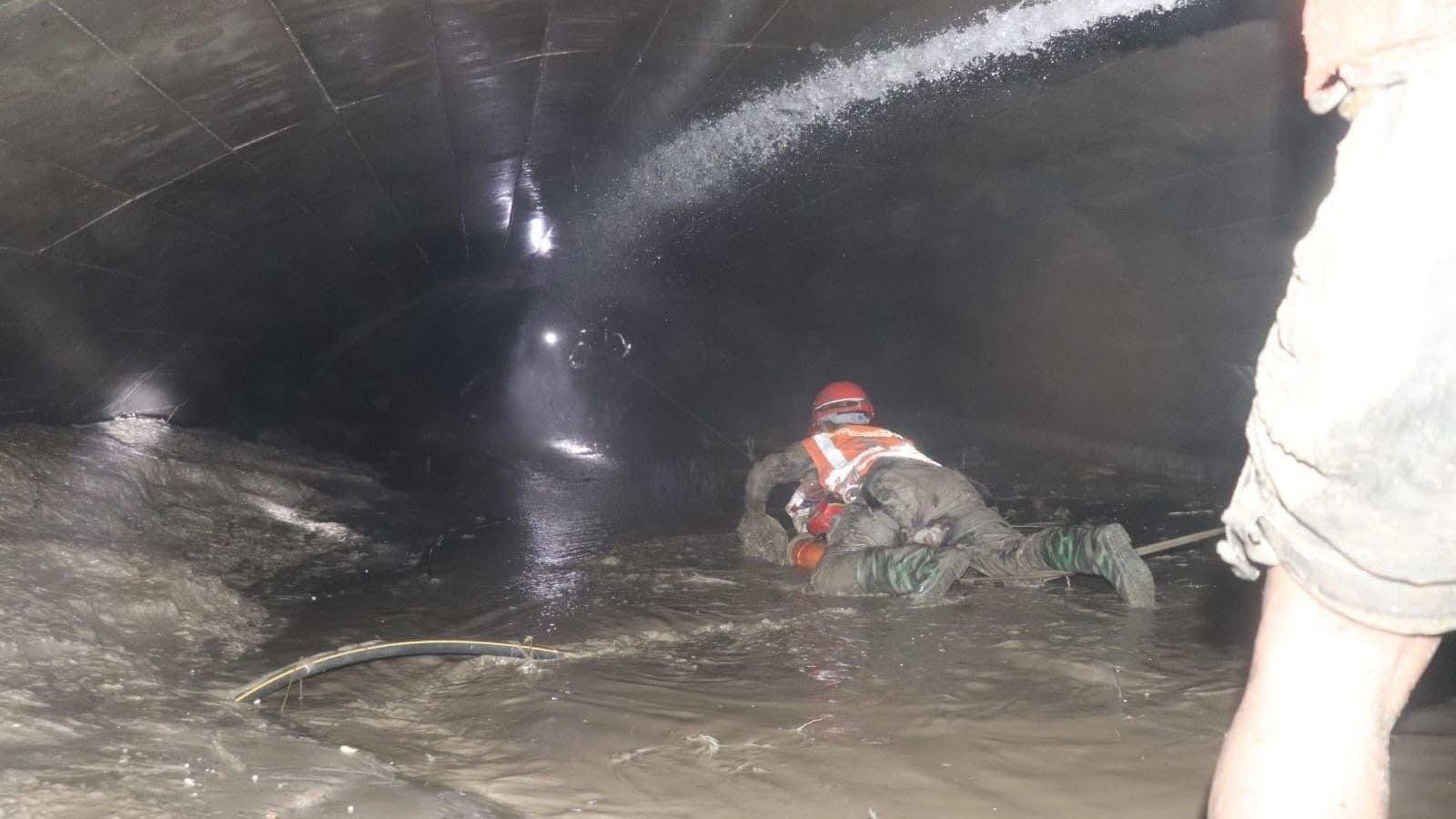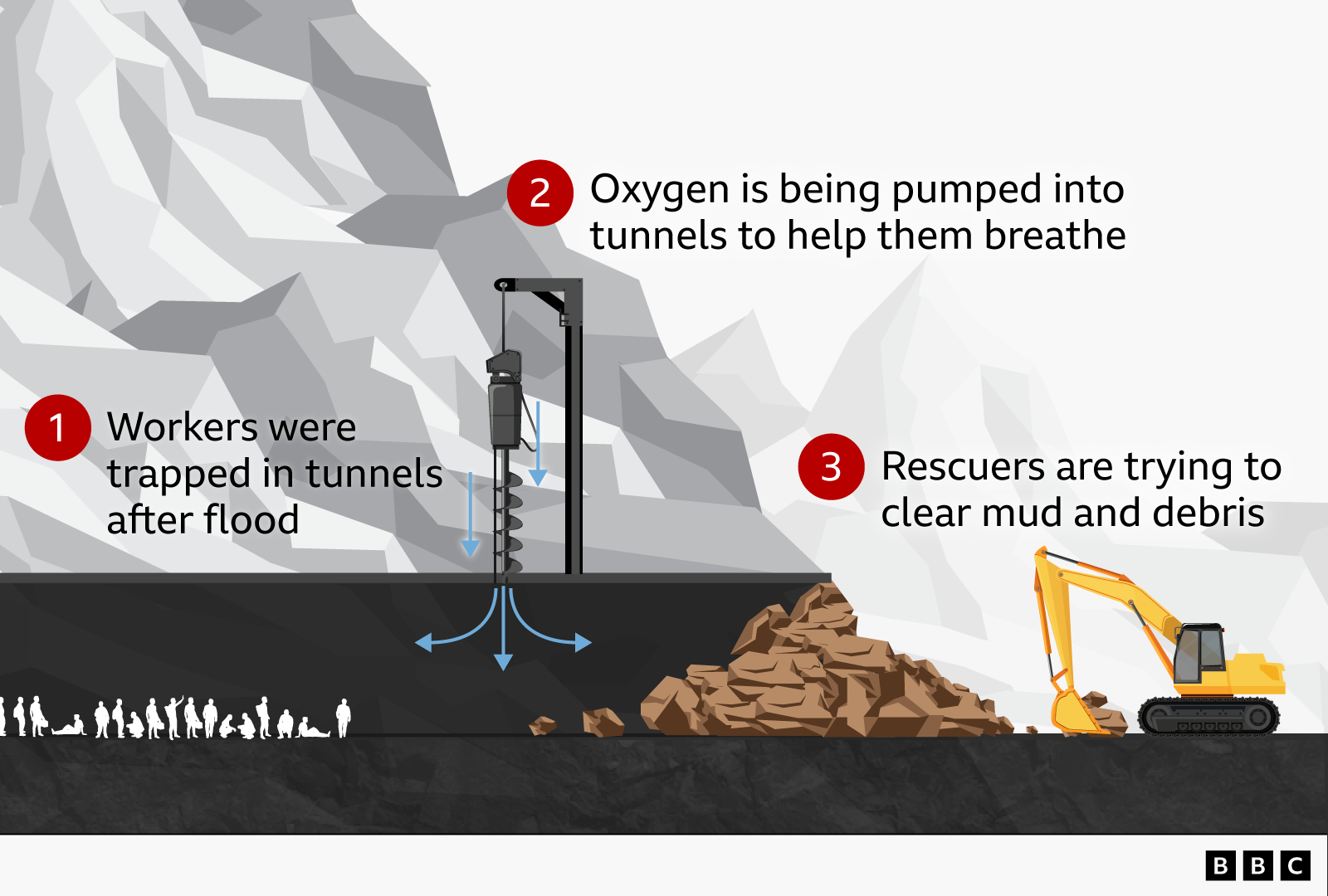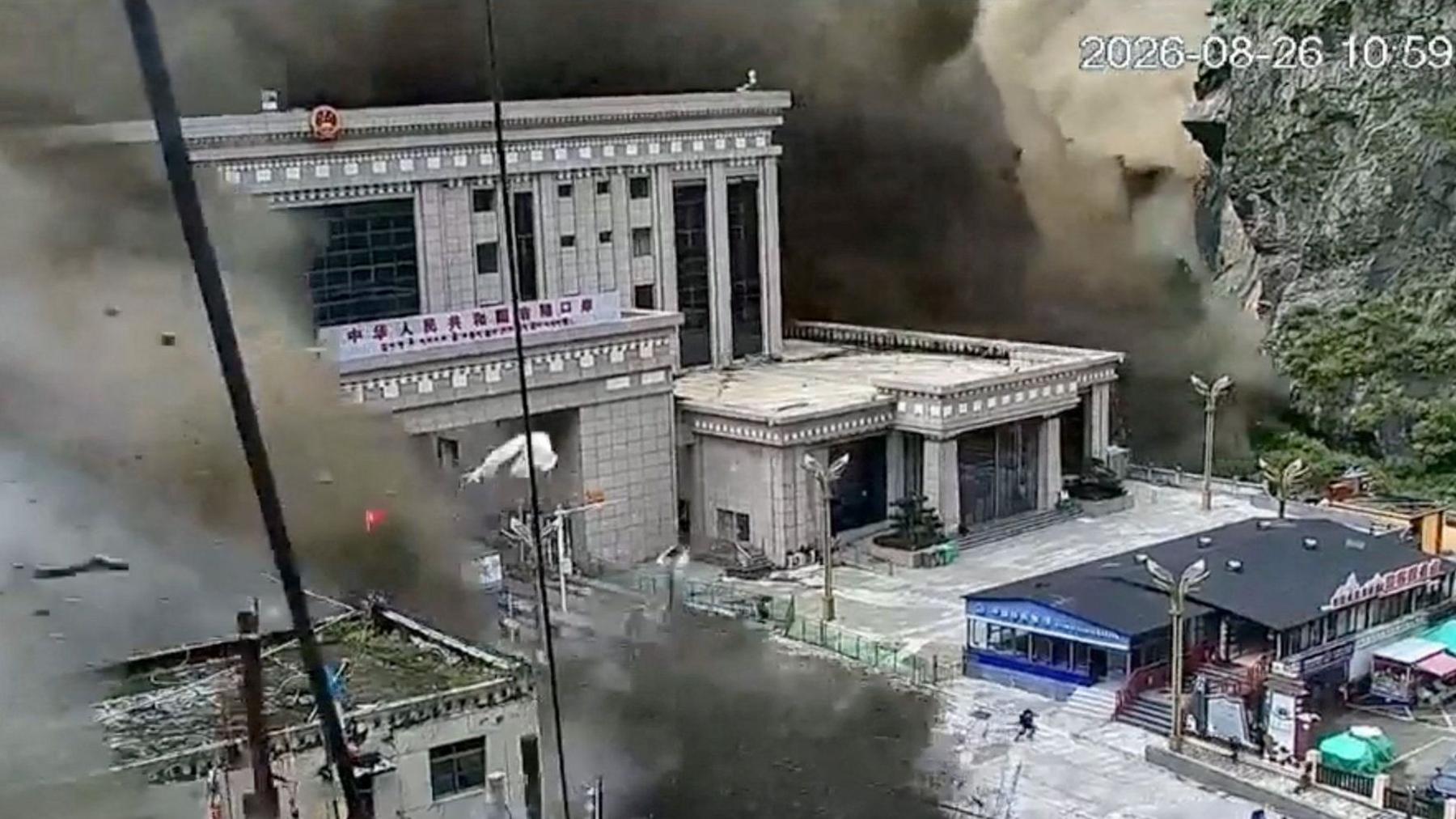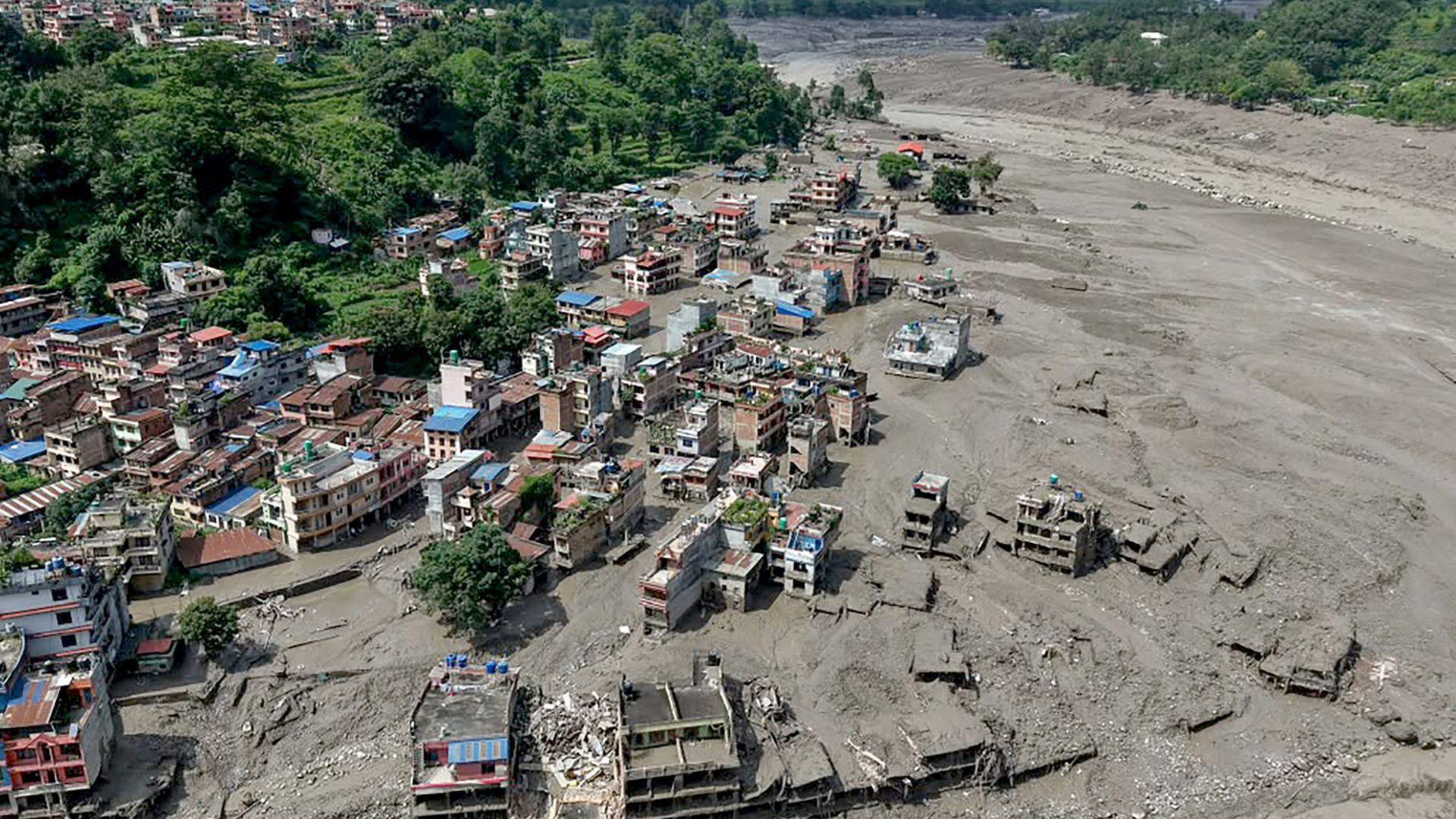
On Tuesday, a 6.8 magnitude quake struck Japan’s Kyushu island, killing at least 13, leaving several missing and displacing thousands from their homes. The tremors caused extensive structural damage, trapping many residents beneath rubble and forcing a rapid, coordinated rescue effort.
Japan’s Ministry of Land, Infrastructure, Transport and Tourism (MLIT) activated its disaster management protocol, deploying emergency technicians, heavy‑duty bulldozers and battery‑powered metal‑detection scanners. Within hours, teams working from the Miyazaki Prefecture headquarters started clearing debris and conducting close‑sweeping searches, employing drones to survey collapsed rooftops and assess structural stability.
The use of autonomous drones and ground‑penetrating sensors has proved critical in speeding the identification of trapped survivors. The technology, developed in partnership with the University of Tokyo and local tech firms, allows rescue teams to map buried structures and guide manual digs with greater precision, thereby reducing response time and exposure to secondary hazards such as landslides or gas leaks.
Experts note that with climate change driving increased frequency of extreme events—whether earthquakes, typhoons or floods—Japan’s integrated, tech‑driven disaster response framework stands as a model for resilient development. By incorporating real‑time monitoring, AI‑powered hazard forecasting, and modular emergency shelters, the country is preparing to mitigate damage and safeguard lives during the critical hours after a seismic event.
Despite the swift response, officials warn that the death toll may rise as rescues continue and new aftershocks trigger further structural collapses. Emergency relief teams remain on standby, coordinating with local residents to provide medical care, temporary housing and psychosocial support for those displaced by the quake.
For ongoing updates on evacuation efforts and long‑term recovery plans, follow the official MLIT page or Japan’s updated emergency broadcasting service.