Israel and Lebanon Agree on a 10-Day Ceasefire Amid Tensions
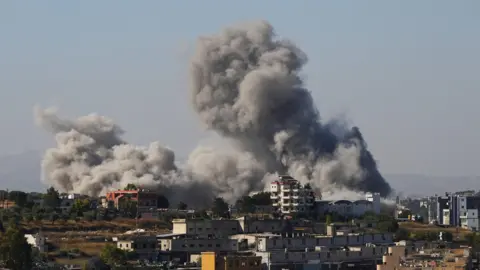
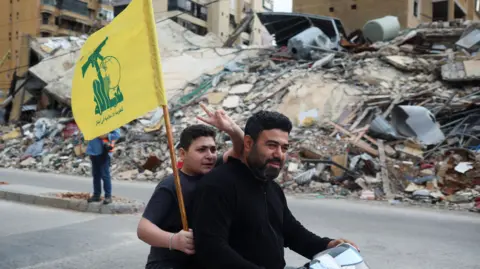
U.S. President Donald Trump has announced that the leaders of Israel and Lebanon have agreed to a 10-day ceasefire, which took effect from 17:00 EST (21:00 GMT; midnight local time) on April 16. There was no mention in Trump's statement of Hezbollah, the Iran-backed militant group in Lebanon, with which Israel has been exchanging fire for the past six weeks. However, Trump later urged the group on social media to observe the ceasefire, expressing hope that it would abide by the agreement.
In an invitation extended to Israeli Prime Minister Benjamin Netanyahu and Lebanese President Joseph Aoun, Trump suggested further talks at the White House.
What does the agreement say?
The ceasefire is intended to last for 10 days, with the possibility of extension through mutual agreement if negotiations show promise. Key conditions of the agreement include:
- Israel retains its right to take defensive measures against attacks.
- Lebanon must prevent Hezbollah and other armed groups from targeting Israel.
- Both nations have affirmed that Lebanon's security forces are solely responsible for the country's security.
- Ongoing U.S. facilitation of negotiations aimed at resolving remaining issues.
The agreement is viewed as a goodwill gesture by Israel to encourage negotiations towards a permanent peace settlement.
Reactions from Leadership
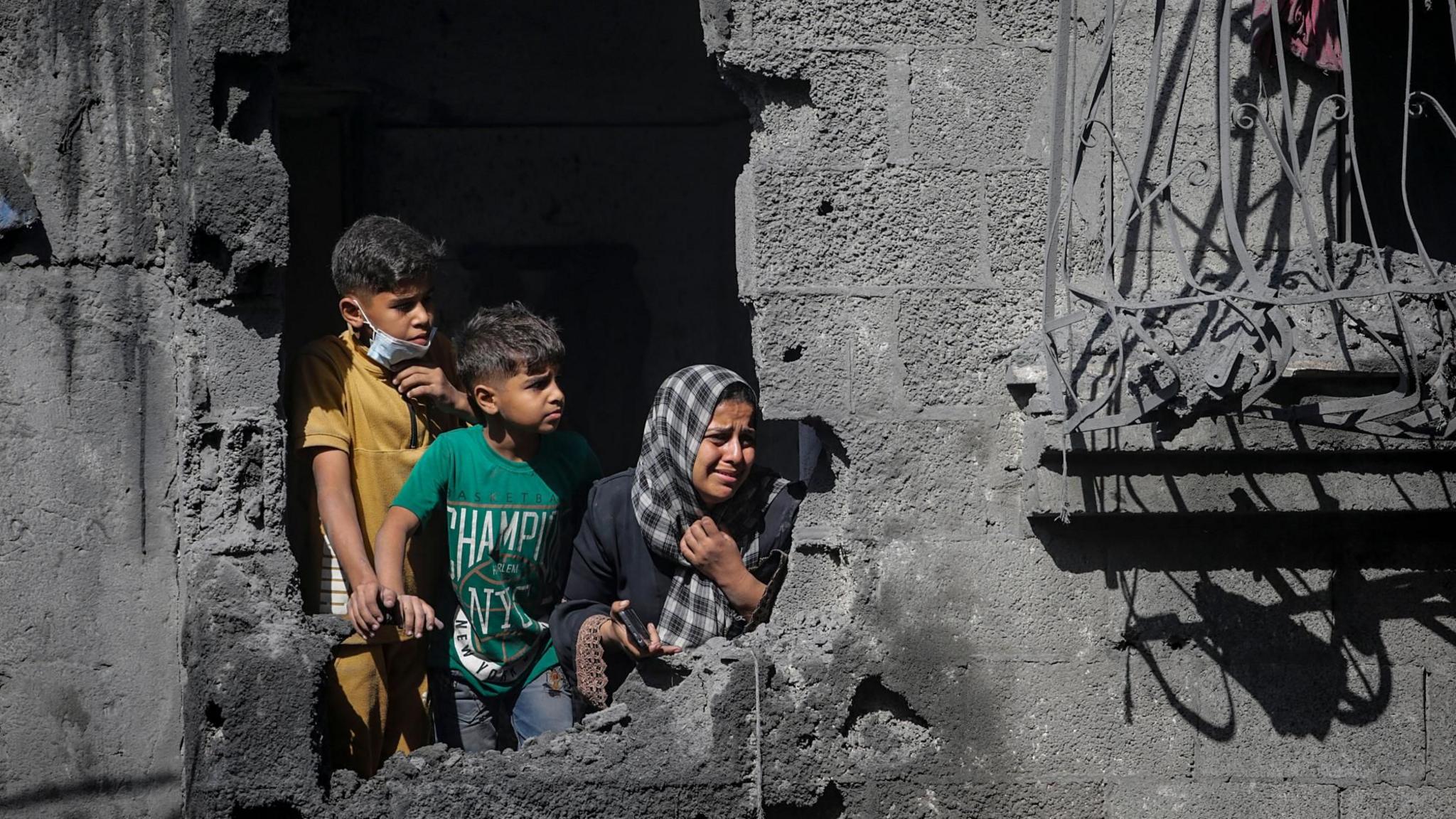
Israeli and Lebanese leaders welcomed the ceasefire, calling it an opportunity for a historic peace. Lebanese Prime Minister Nawaf Salam expressed hope that it would allow displaced individuals to return home. Hezbollah, while indicating its willingness to comply, insisted on a comprehensive halt to hostilities.
International reactions have been largely positive, with UN Secretary-General António Guterres commending U.S. efforts and calling for compliance with international law. The European Commission President Ursula von der Leyen and EU foreign policy chief Kaja Kallas emphasized the need for a long-lasting peace.
Security Zone Context
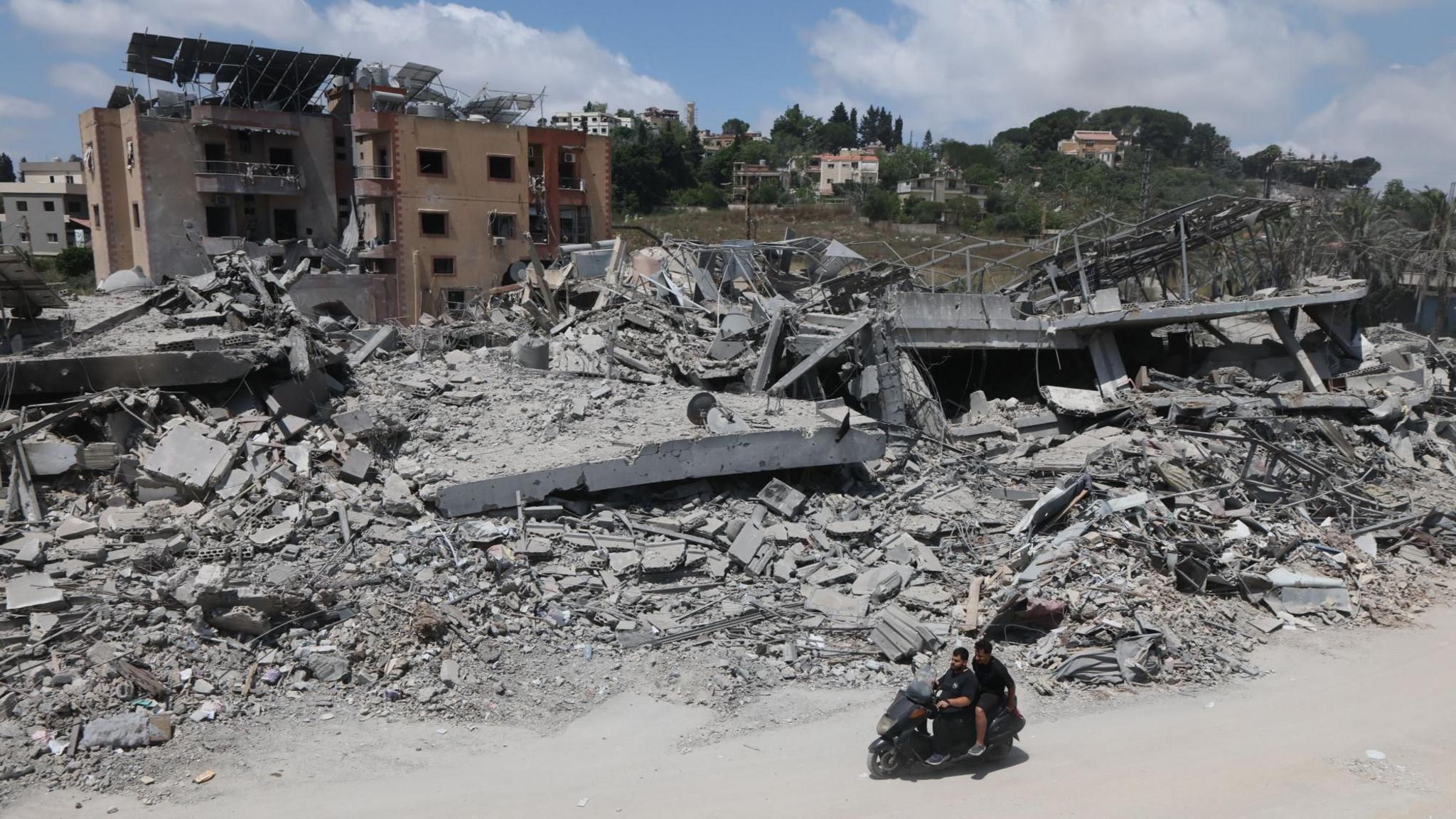
Despite the ceasefire, Netanyahu stated that Israeli forces will maintain a 10km buffer zone in southern Lebanon to mitigate threats of invasion. This action follows ongoing retaliations from Hezbollah, raising concerns about a potential long-term Israeli presence in the region.
Negotiation Background
The ceasefire was achieved amidst direct negotiations in Washington, although it remains unclear to what extent Hezbollah participated in these discussions. Reports indicate that the announcement caught many Israeli officials by surprise.
As the world watches closely, the success of this ceasefire may hinge upon the forthcoming actions of all involved parties.