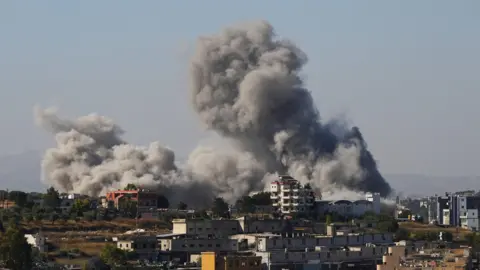
As news of the ceasefire spread through Israel's northern communities, sirens blared three times this evening warning of incoming rockets from Lebanon.
In the sky above the northern city of Nahariya, Israel's air defence interceptors shot up to block them, triggering loud explosions. Ambulance crews reported at least three injuries from shrapnel before the ceasefire's enactment.
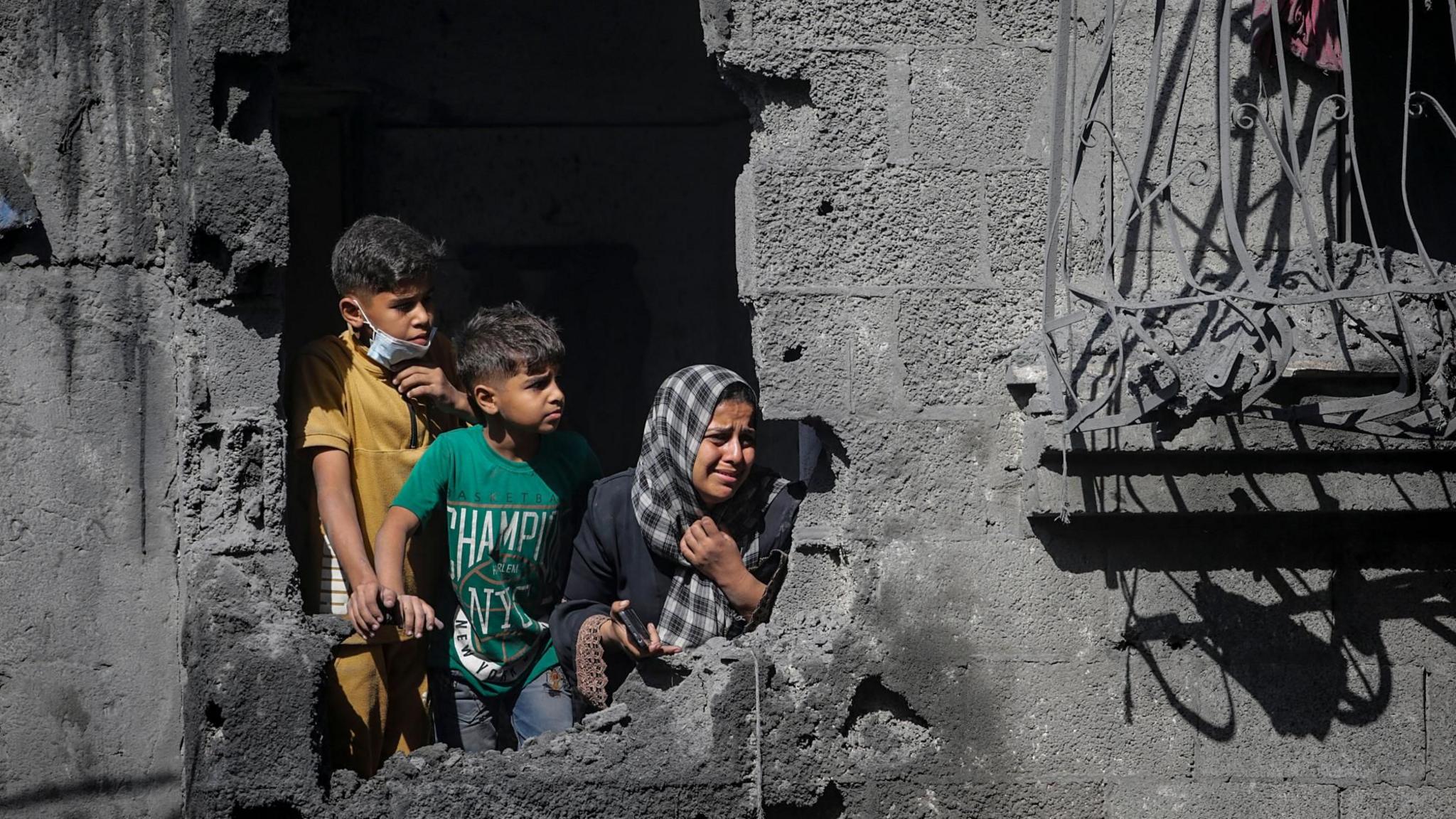
Public sentiments in Israel reflect skepticism regarding why the government is opting for a truce now, with people feeling misled about the government’s promises of lasting solutions. A student from Nahariya expressed frustration, stating, I feel like the government lied to us; they assured us this time would be different, yet we’re again looking at a ceasefire that promises nothing.
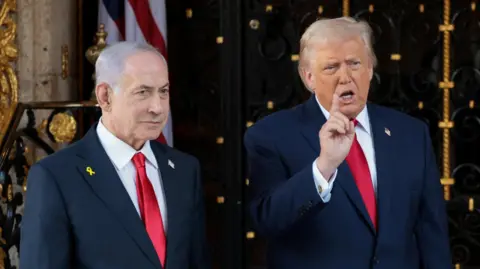
Disappointment prevails as many question the effectiveness of the ceasefire in dealing with Hezbollah's presence in Lebanon. Prime Minister Benjamin Netanyahu's announcement of the ceasefire has reportedly caught even members of his security cabinet off-guard, showcasing growing discord within the Israeli leadership.
Former military leaders criticize Netanyahu for allowing external pressures to dictate Israel's military strategies and compromises, stating a ceasefire must emerge from a position of national strength. The sentiment among many is that the ceasefire is insufficient, especially when Israeli forces still maintain a presence in Lebanon, raising concerns about the realities on the ground.
This complicated backdrop showcases the uneasy relationship between the political demands set by international actors and the on-the-ground realities faced by the citizens of Israel, particularly in northern regions where hostility continues to loom.