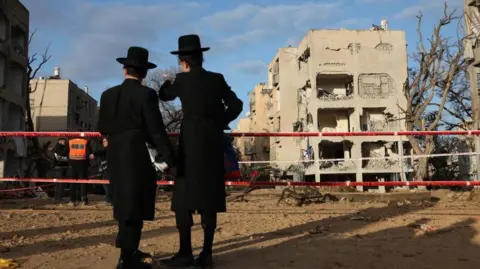
Israel's health ministry states that 180 people were injured—some severely—due to Iranian missile strikes targeting two southern Israeli towns close to a nuclear facility.
The attacks took place on March 22, resulting in 116 injuries in Arad and 64 in Dimona, following two missile impacts that occurred that evening.
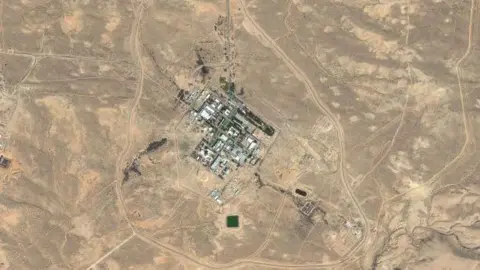
The International Atomic Energy Agency (IAEA) reported no damage to the nearby nuclear research facility, situated about 13 kilometers from Dimona, raising questions about the efficacy of Israel's defense systems.
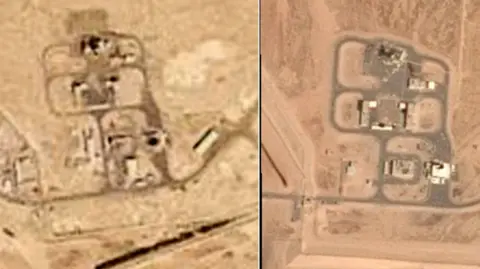
Iranian state media stated that these strikes were a retaliatory measure for an assault on Iran's Natanz nuclear facility that transpired on the same day.
Moreover, an additional missile attack on Tel Aviv inflicted injuries on at least seven individuals on the following day.
The Israeli Air Force revealed that Tehran has launched approximately 400 missiles at Israel since the beginning of hostilities on February 28, with 92% intercepted successfully. However, a worrying number managed to breach the defenses, leading to substantial damage and casualties.
Witness accounts from residents describe horrifying experiences as they heard terrifying blasts, with local paramedics treating numerous victims, including children with severe injuries from collapsing structures.
Both the Israeli Prime Minister and President have visited the affected areas, emphasizing the urgent investigations underway to understand how these missile strikes managed to circumvent air defense protocols.
The conflict raises serious concerns regarding the ongoing military actions between Israel and Iran, with both sides reportedly reinforcing their positions, further emboldening the public's resolve to withstand such attacks.
As this situation unfolds, the implications for regional stability and safety around critical nuclear facilities continue to be a point of international concern.