Iran’s Recent Strike on Israel Signals a New Climate of Resilience
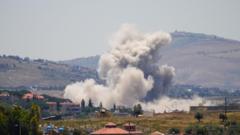
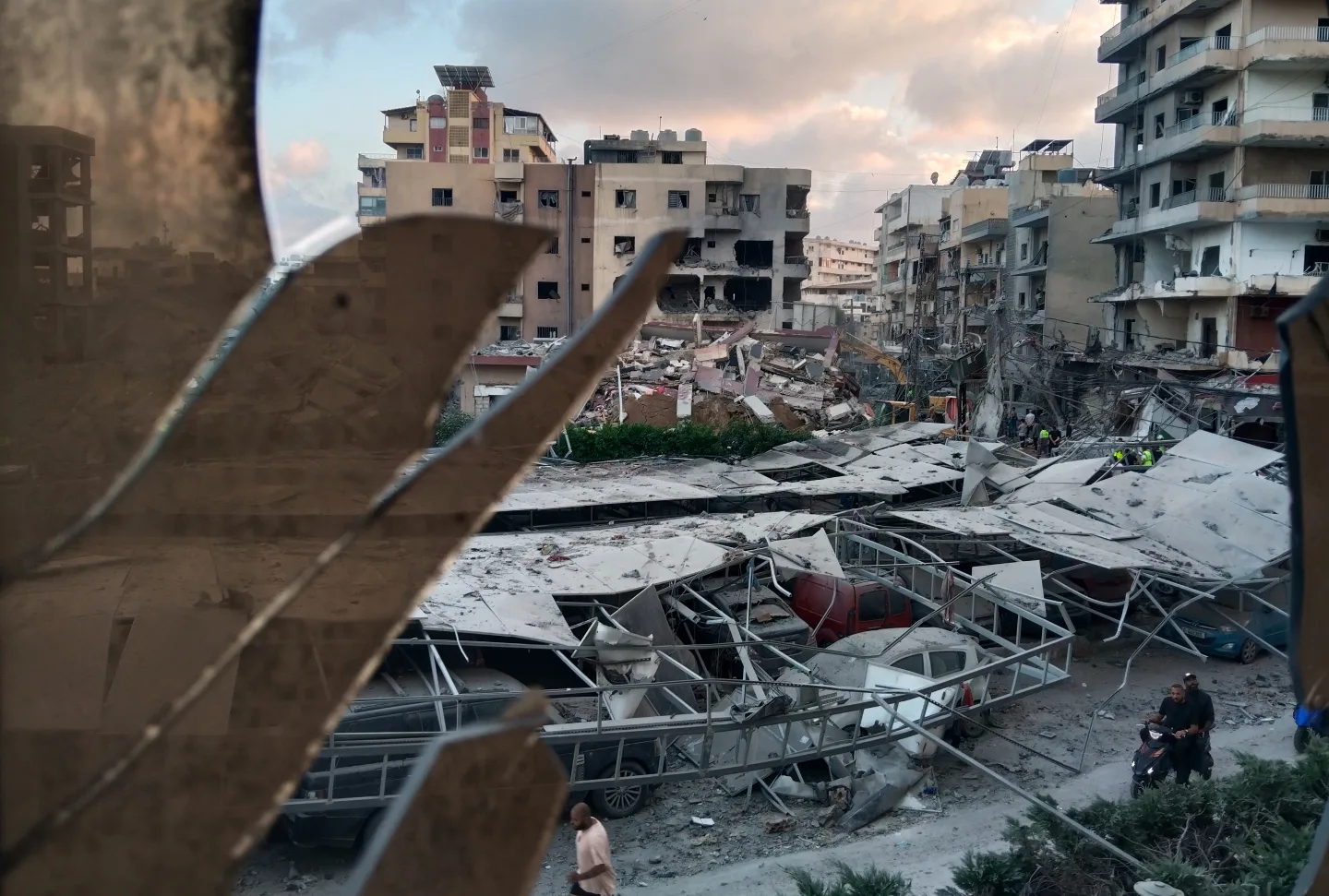
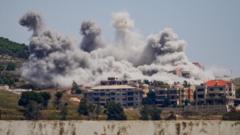
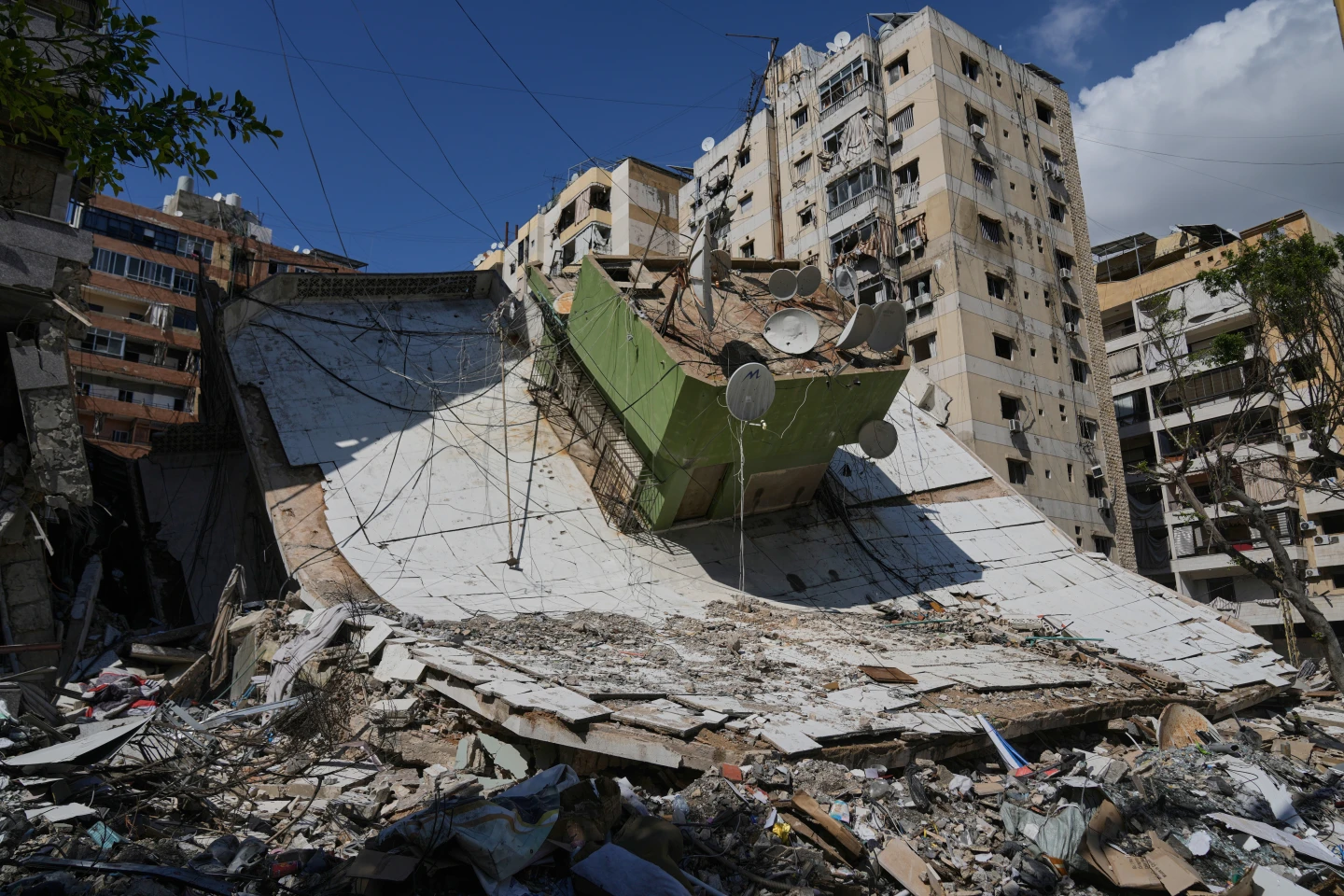
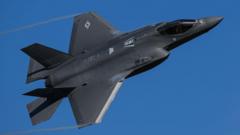
When Iran launched missiles and drones targeting Israel overnight—following a strike on a Hezbollah‑linked building—most analysts saw a limited military outcome. Yet the political implications extend far beyond the battlefield.
For the first time, Tehran appears to frame its action not simply as retaliation but as deterrence. By linking attacks on its allies to direct threats against its own borders, Iran signals that it can enforce new red lines while still engaging in diplomatic talks. This stance is reinforced by the regime’s survival under heavy sanctions, naval blockades and repeated bombing campaigns. Iran’s leadership now feels capable of withstanding further pressure while pursuing its own strategic objectives.
The broader repercussions are significant. In a region that already contends with water scarcity, fragile agriculture and rising temperatures, any escalation threatens to exacerbate environmental stress. Conflict increases air pollution, fuels the spread of invasive species through supply chains, and risks damaging critical infrastructure that underpins climate resilience—such as hydropower plants and coastal protection systems.
Socially, ordinary Iranians show mixed feelings. Some praise the strike as defense of Lebanon, while others worry about the shift in priorities—“South‑Lebanon matters more than southern Iran”—and fear the potential for a broader war. Regardless, the decision reflects a confidence that Iran can absorb a potential Israeli or U.S. counter‑strike and still maintain leverage on the negotiating table.
The outcome of Tehran’s strategy remains uncertain. If the regime can continue to balance military posture with diplomatic engagement, it could reshape the Middle East’s security dynamics while simultaneously addressing climate challenges that arise from prolonged instability. The world watches closely, hoping that the new ethos of resilience does not spiral into a larger conflict but instead promotes a dialogue grounded in both security and environmental stewardship.
Image caption: Part of a missile protruding from the ground in the Israel‑occupied West Bank following Iranian strikes. (Photo: EPA)