Iran‑Israel Escalation Empowers Tehran in U.S. Negotiations
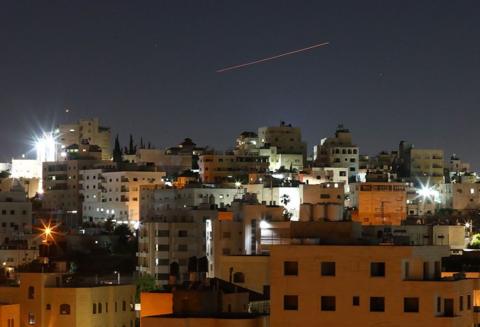
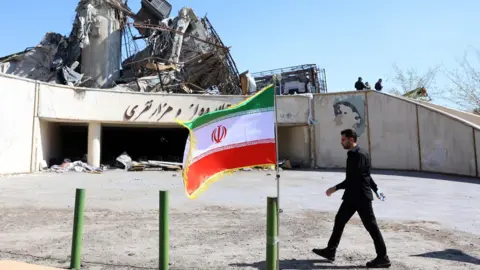
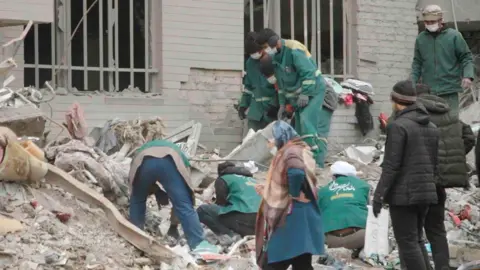
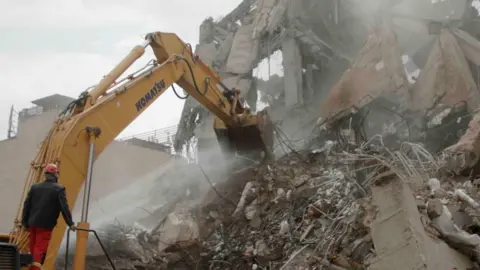
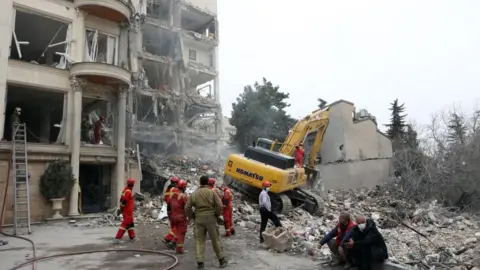
The tense exchange of airstrikes between Israel and Iran on the weekend shocked the international community. After Iran’s first missile launch at Israel in over a year, Israel responded with a week‑long bombardment of Iranian sites, a move that has not occurred since a 2024 cease‑fire in the region.
Washington’s attempts to broker a deal with Tehran were undermined by President Donald Trump’s decision to allow Prime Minister Benjamin Netanyahu to continue retaliation. Trump’s televised comments and private calls with Netanyahu suggest a split between public diplomacy and realpolitik at the top of the U.S. administration.
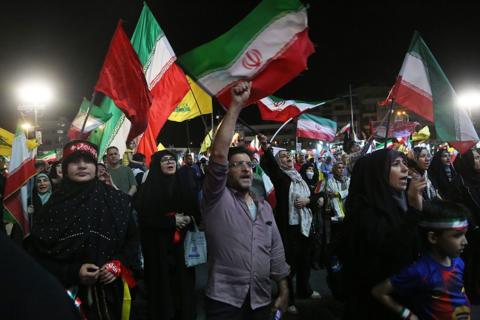
For Iran, the flare‑up underscores a strategy of ‘diplomacy and defence’ – using kinetic action to provoke a stronger stance from Washington and to signal to the U.S. that further sanctions relief is tied to limiting Israeli aggression against Hezbollah. Tehran flagged the breakthrough as a “strengthening of our negotiating position.”
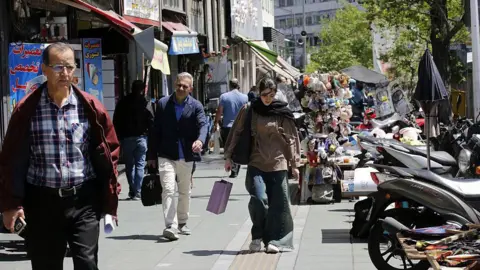
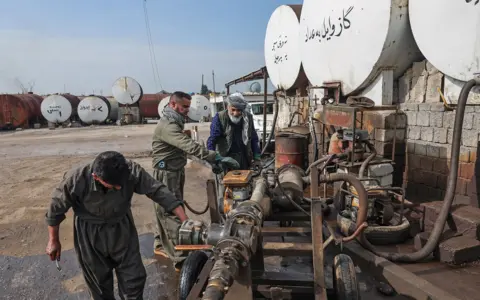
Meanwhile, the sea gate of the Strait of Hormuz remains closed as the U.S. imposes an economic blockade on Iranian ports, adding further pressure on Tehran’s economy. The longer this closure persists, the more the U.S. is forced to consider immediate concessions to get the negotiation back on track.
The recent air-to-air engagements, however, raise the specter of a new round of direct confrontation between the United States and Iran. With each missile launch, the risk of a miscalculation that could trigger a wider war increases. Analysts warn that the military buildup in southern Israel and the presence of U.S. forces on air routes could potentially be mobilised to support Israeli strikes if necessary.
Iran’s call for bilateral talks is laced with urgency: unfreezing billions of dollars of oil revenues and curbing Israeli strikes against Hezbollah would be the twin pillars of a viable settlement. Trump’s publicly stated refusal to lift sanctions or release assets has left Iranian leaders with no alternative but to intensify the pressure on the U.S. front.
The current dynamic offers Tehran an unexpected advantage: by increasing war‑like actions it forces the U.S. to weigh the economic cost of a prolonged blockade and the political risk of its own domestic elections. Whether Donald Trump’s conservative base will use the situation to argue for a hard‑line approach or support negotiations remains uncertain.
In short, the June flare‑up has changed the tempo of the Middle Eastern standoff. Tehran’s armed assertion has cemented its bargaining position in U.S. talks, while the U.S. struggles to juggle national security, economic obligations, and diplomatic outreach to Iran. The balance of power—once dominated by asymmetric political messaging—now demands a pragmatic approach to avoid a larger regional conflict.
Images: