In brief
In light of potential peace talks to resolve the ongoing conflict, many Iranians express conflicting feelings. While some desire an end to hostilities, others fear that negotiations could reinforce the existing regime. Reports indicate a mixture of hope and skepticism regarding the future of the war and Iran's leadership.
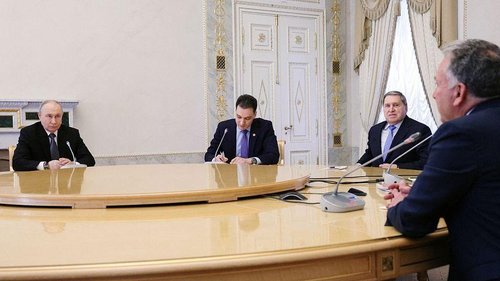
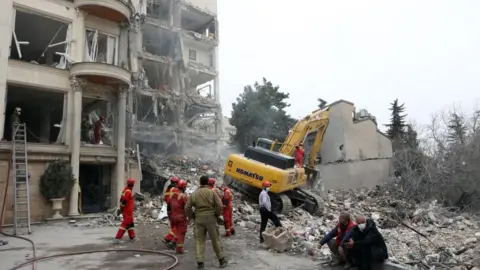
The possibility of peace talks to end the ongoing war in Iran has sparked a complex debate among the populace. As the situation escalates with U.S. and Israeli air raids, President Donald Trump indicated a thaw in relations, claiming discussions are advancing. Yet, many Iranian officials dismissed these communications as mere fabrications.Amid this, ordinary citizens display an urgent desire for peace, albeit with trepidation about the prospect of negotiations keeping the Islamic Republic in power. Some, like Kiana, a Tehran resident, articulate their hope for an end to warfare but remain conflicted about the future of their leadership, expressing fears of increased oppression.Others, such as Armin, vehemently oppose talks with the regime, asserting such actions would legitimize it on the world stage. Supporters of the regime, meanwhile, showcase unity through state media, advocating a continuation of the struggle against perceived external threats. Despite the atmosphere of repression and fear, dissent against the regime persists, particularly among the youth.Iranians express fear regarding the government's response to protests while many call for a complete overhaul of the leadership amidst ongoing violence. Public sentiment fluctuates between the urgency for peace and hesitance towards a resolution that doesn’t change the current political dynamics, thus illuminating the complicated path forward for Iran as talks hover over an uncertain horizon.