In brief
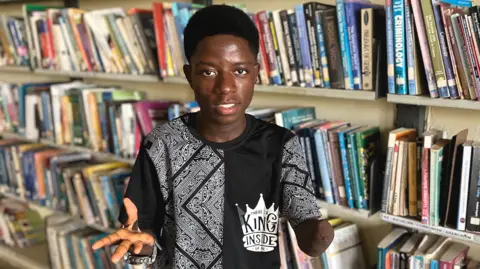
At just 19, Ovey Friday has faced extreme adversity, including torture and amputation due to false accusations of witchcraft in Nigeria. Despite significant challenges, including navigating an unaccommodating educational system, he perseveres to become the first in his family to attend university. His story highlights the challenges faced by people with disabilities in Nigeria and advocates for greater inclusion and accessibility.
At 13, Ovey Friday was accused of witchcraft by his stepmother. He was taken to a traditional shrine in Nasarawa where he endured torture leading to the amputation of his left hand. Doctors were forced to intervene after damage became irreversible. I cried and I cried, he recalls, revealing his emotional struggle.Along with personal grief, Friday faced societal prejudice as people stared or taunted him in public. I wish they knew me, like, when I was born, he says, expressing a desire for people to see beyond his disabilities.Two years ago, as he sought to enter higher education, he encountered another obstacle: Nigeria's biometric exams could not capture his scarred thumbprints. Fortunately, his guardians rallied support from disability rights activists, enabling him to use his toe print as identification.Now studying English and Literary Studies at a university in Nasarawa, Friday has become the first on his mother's side to enroll. Not everyone has someone to push for them... Some people will just stop trying, he notes, underscoring the importance of determination and support.His experience is illustrative of broader systemic challenges faced by people with disabilities in Nigeria. Many lack access to educational opportunities and adequate infrastructure.Activists stress the need for more inclusive systems that go beyond compliance—such as ensuring access to materials, sign-language interpretation, and physically accessible facilities.Friday is hopeful about the future as he embarks on his educational journey, aiming to prove that with manageable support, individuals with disabilities can thrive.