Thousands of Migrants Still in Ceuta After Border Crisis
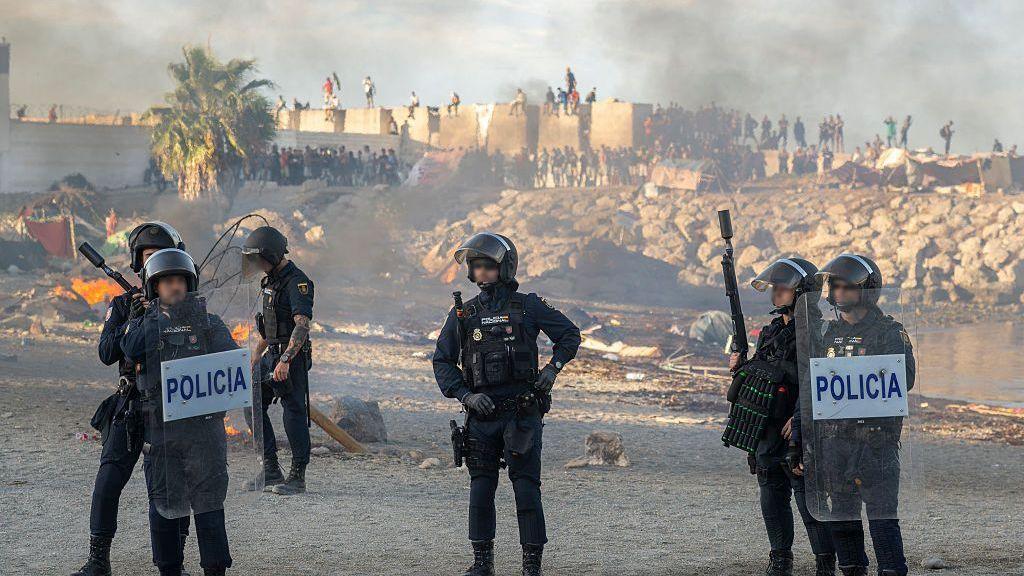
The Spanish autonomous city of Ceuta reported that between 3,000 and 5,000 people are still stranded after a sudden influx of roughly 78,000 migrants. The arrivals came in a matter of hours, triggering a tragic loss of 100 lives on the coast.
Juan Jesús Vivas, the mayor‑president of Ceuta, told the European Parliament that the crisis had “irreparable consequences” and that the local government felt the resources were insufficient to manage the new reality. He accused the Spanish government of being slow to react, describing “unequivocal attacks” on neutrality and safety.
The European Union, for its part, praised Spain’s swift deployment of armed forces to Ceuta and neighboring Melilla. EU Migration Commissioner Magnus Brunner highlighted the need to use all leverage—including visa policy and trade—to secure cooperation from Morocco, who has faced criticism for not preventing overcrowded crossings.
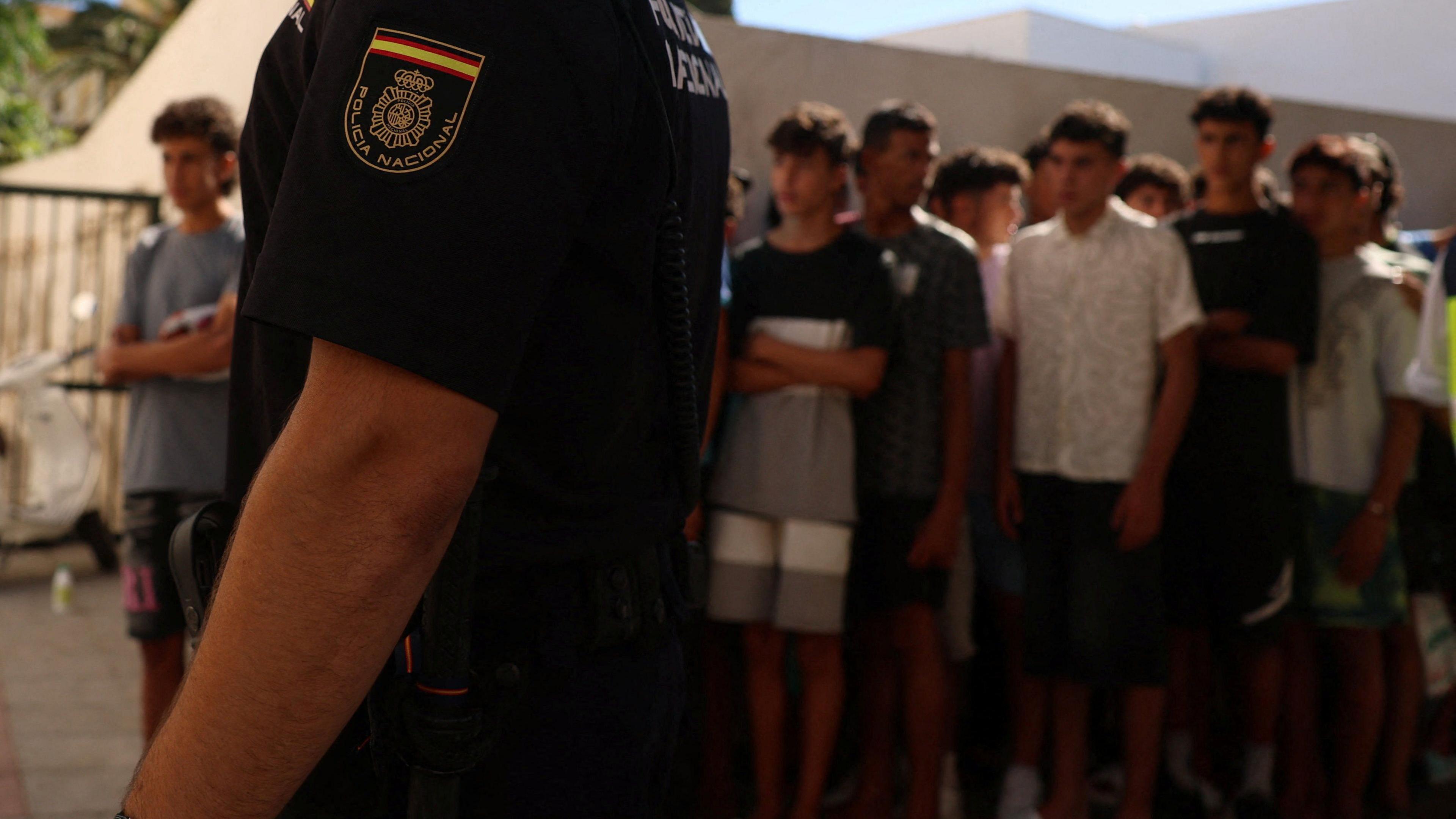
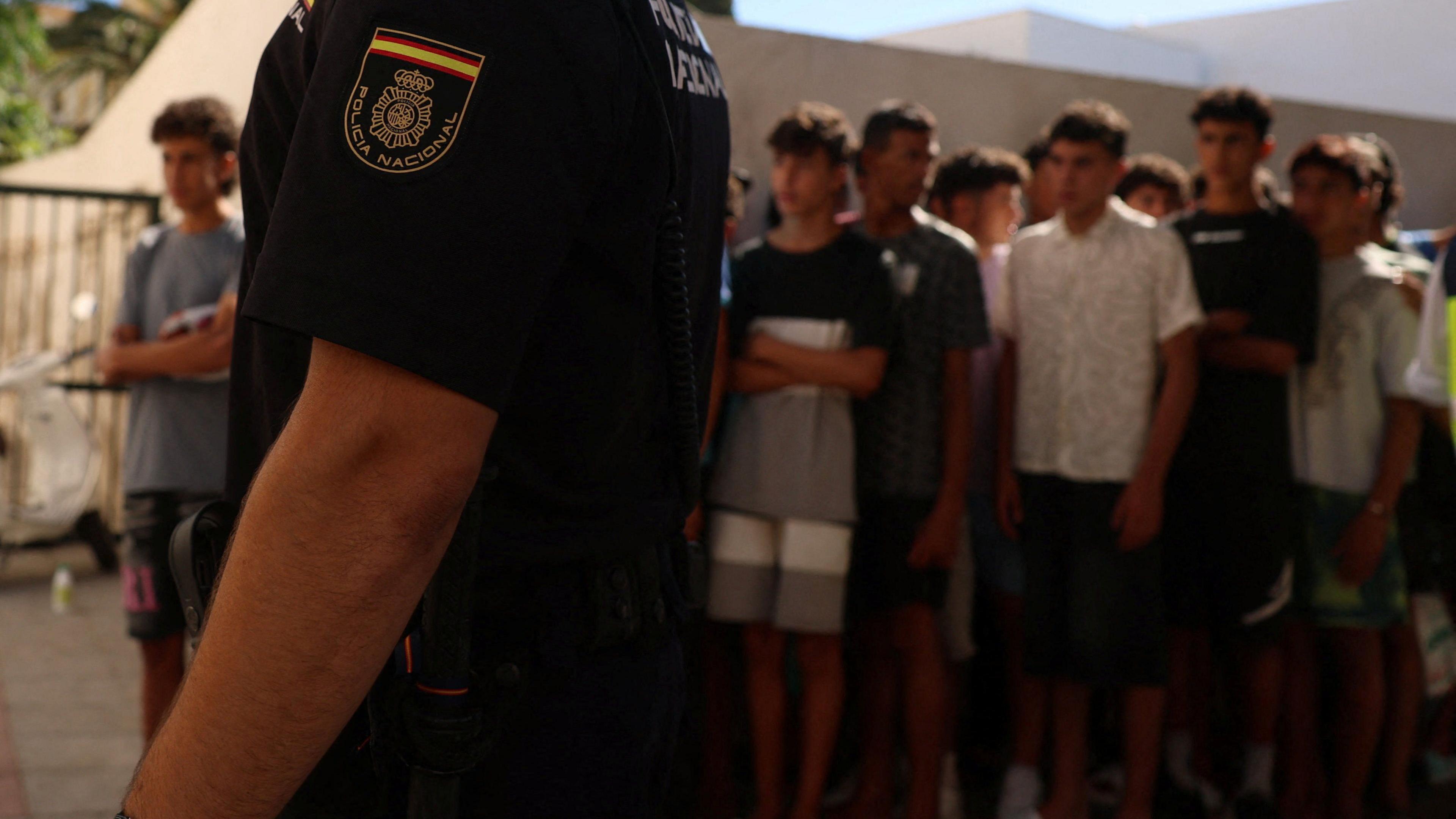
Migrant children remain the most urgent concern. While volunteers have registered 4,860 children in Ceuta—double the official figure—no child has yet been moved to mainland Spain. The situation was described as unsustainable, with local authorities reluctant to absorb the minors, and critics calling for a solid “gesture of solidarity” from Spain’s central government.
The uproar also strained EU relations with Spain’s Schengen partners, with Italy leading a suspension of arrangements and the Czech Republic calling for a temporary suspension of Spain’s membership. Spain clarified that Ceuta is not within Schengen borders.
The Supreme Court ruling that “migrants stopped at sea cannot be summarily returned to Morocco” has added a new dimension to the already complex diplomatic conflict over sovereignty of the enclaves. The court’s decision was blamed by Morocco for the speed of the most recent influx.
In response, interior minister Iñigo Errejón said he would work firmly with Morocco to prevent further violations and to return migrants to their country of origin as soon as possible.
The crisis appears to rest on a mix of geopolitical distrust, legal constraints, and the spread of misinformation on social media. Reports indicate that new groups have emerged to coordinate future mass crossings, raising concerns about a repeat of last week’s tragic events.
While the situation slowly eases as many migrants have already returned to Morocco, Ceuta’s emergency status remains. The island’s authorities demand more aid, with Spain committing €25 million to help minors and ongoing calls for the European Commission to offer additional resources.