In brief
As the Biden administration weighs the pros and cons of sending 24,000 assault rifles to Israel, concerns arise over potential violence and misuse by settler militias and police, echoing calls for cautious arms policies.
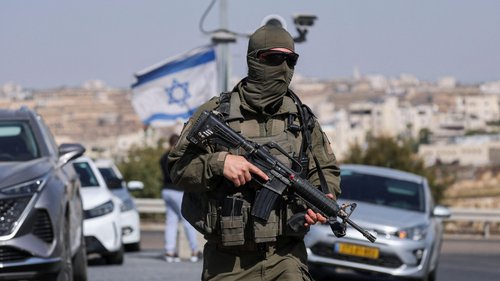
The Biden administration is now deliberating whether to proceed with a controversial shipment of 24,000 assault rifles to Israel, a delivery that had been previously halted under Secretary of State Antony J. Blinken. The decision came after Democratic lawmakers expressed significant reservations regarding the possible implications of these arms being used by settler militias or Israeli police against Palestinians.The arsenal, valued at approximately $34 million, was composed of three separate orders primarily sourced from Colt’s Manufacturing. Lawmakers learned of this pending arms deal following informal notifications from the State Department, which surfaced in the wake of heightened violence after Hamas attacks in October 2023. This situation prompted a series of rigorous military responses from the Israeli forces in Gaza.The former Israeli minister of national security, Itamar Ben-Gvir, has publicly declared his intent to arm settlements and establish civilian militias to bolster the defense of settlers, further intensifying fears among U.S. lawmakers. Given his history of supporting settlement expansion and advocating for strong measures against Palestinians, many legislators remained deeply apprehensive that the advanced weaponry could empower actions that exacerbate ongoing violence.In light of these developments, several prominent Democratic lawmakers implored for more stringent oversight of military aid to Israel, advocating for measures to prevent the potential misuse of American-made weapons. Despite inquiries directed toward the State Department concerning the resolution of this stalled arms order, responses remain unconfirmed.With growing tensions and complex geopolitical factors at play, the decision surrounding this arms deal will be pivotal in shaping future U.S.-Israel relations and broader Middle Eastern dynamics.