In brief
A heated debate has erupted over the U.S. immigration operation in Minneapolis. Greg Bovino, the former ICE chief who led the controversial “Deportation Drive”, insists the Trump administration’s pullback of hundreds of agents was a surrender. Families of two U.S. citizens shot during the raids have sued the administration for wrongful death and civil‑rights violations, while activists claim the operation fostered state‑sponsored violence. In the weeks since, Bovino has been replaced, his hardline rhetoric has drawn criticism, and the broader debate over immigration enforcement is being reframed as a conflict of policy, law, and human rights. This article examines the facts, legal responses, and the lingering policy implications for both federal immigration policy and local communities.
Former U.S. Immigration and Customs Enforcement (ICE) chief Greg Bovino has characterised the Trump administration’s abrupt withdrawal of hundreds of agents from Minneapolis as a “surrender.” Bovino, who was removed from his post shortly after the fatal shootings of U.S. citizens Renee Good and Alex Pretti in January, declined to comment on a lawsuit filed by Good’s family alleging wrongful death and a conspiracy to suppress protesters’ civil rights.
The two shootings, captured on video, ignited bipartisan outrage and mass protests. President Donald Trump publicly announced a “de‑escalation” that saw the agency’s presence in the city reduced to a fraction of its peak. Good’s family sued the Trump administration over the circumstances of her death, naming Bovino, ICE agent Jonathan Ross, and other officials in their complaint.
In Detroit, Bovino warned that the administration had “thrown the towel in” and that deportations were now at a virtual stand‑still. He expressed regret for not having “gone harder” in Minnesota and called the city’s ICE agents the “real victims” of what he described as unprecedented violence.
Bovino dismissed video evidence that suggested Good and Pretti were the aggressors and maintained that the agents’ actions were justified. Trump’s statements shifted from blame on Good’s conduct to a later “tragedy” narrative, acknowledging potential mistakes by the agents.
The withdrawal also led to Bovino’s removal from the post, which was then taken over by White House “border tsar” Tom Homan. A White House spokesperson framed the pullback as a major step in reducing illegal immigration, citing the departure of over three million people.
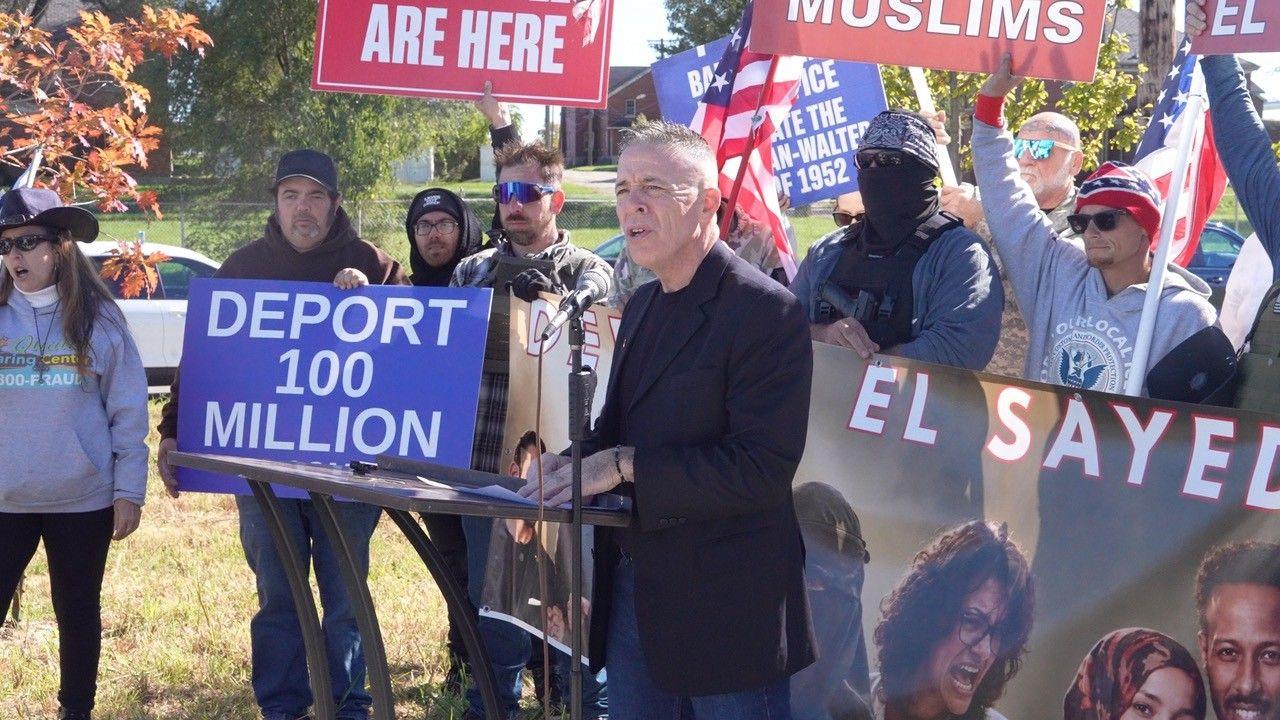
Since retiring, Bovino has amplified hardline positions, claiming that 100 million illegal immigrants live in the United States and should be deported. He has called for “total spectrum immigration enforcement” supported by the U.S. military and has floated the possibility of a 2028 presidential run.
The controversy continues in Minneapolis, where residents still live in fear and activists demand accountability for the agents’ actions. The legal and political fallout of the operation underscores the tension between federal immigration policy, law enforcement practices, and civil‑rights advocacy.
Read the full BBC story and related reports on the Minneapolis crackdown and its aftermath.