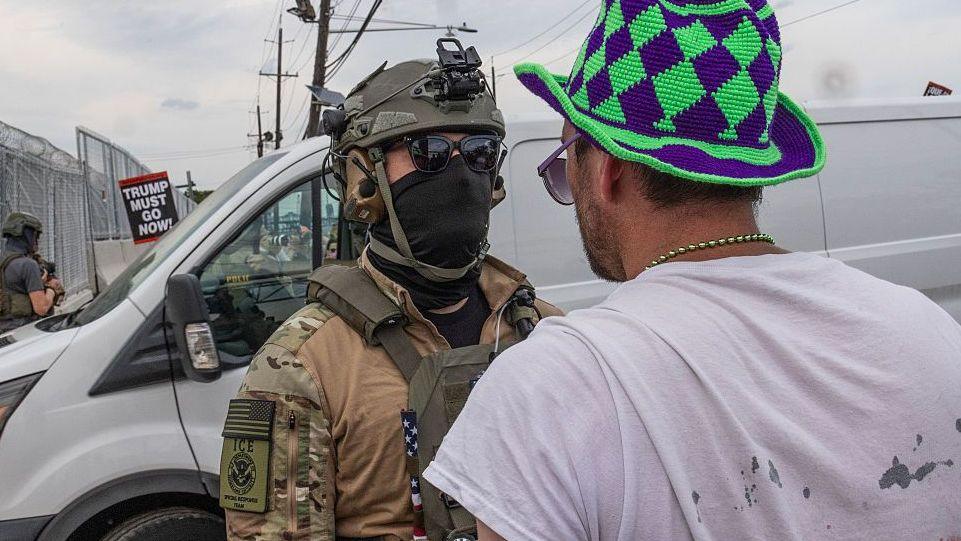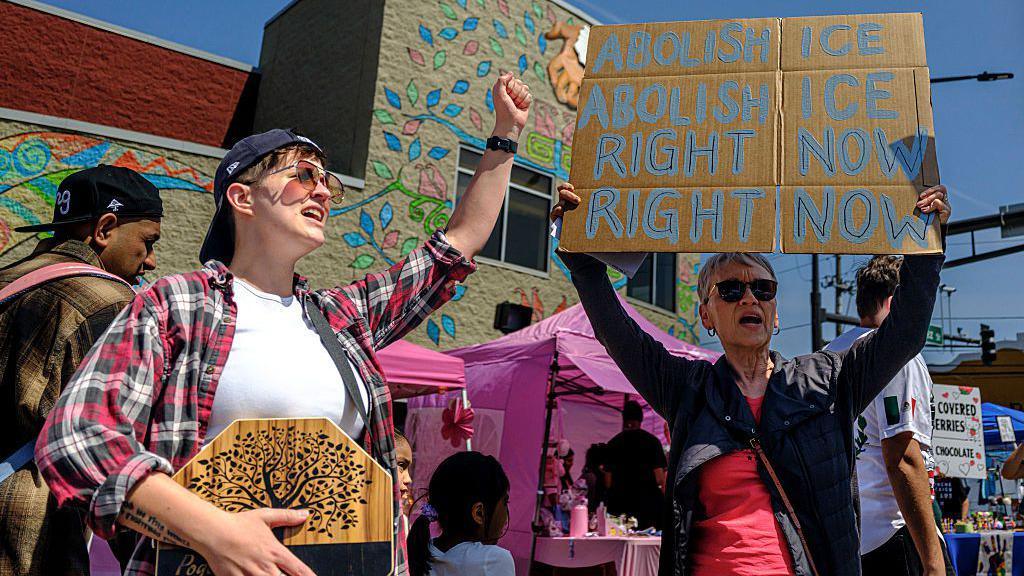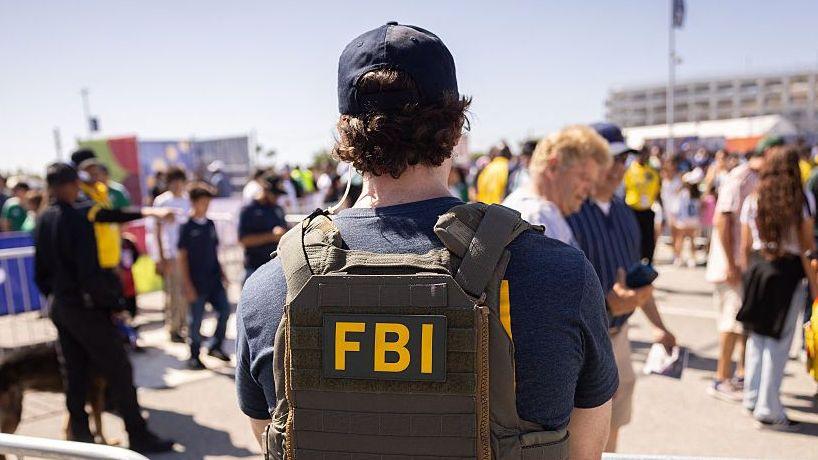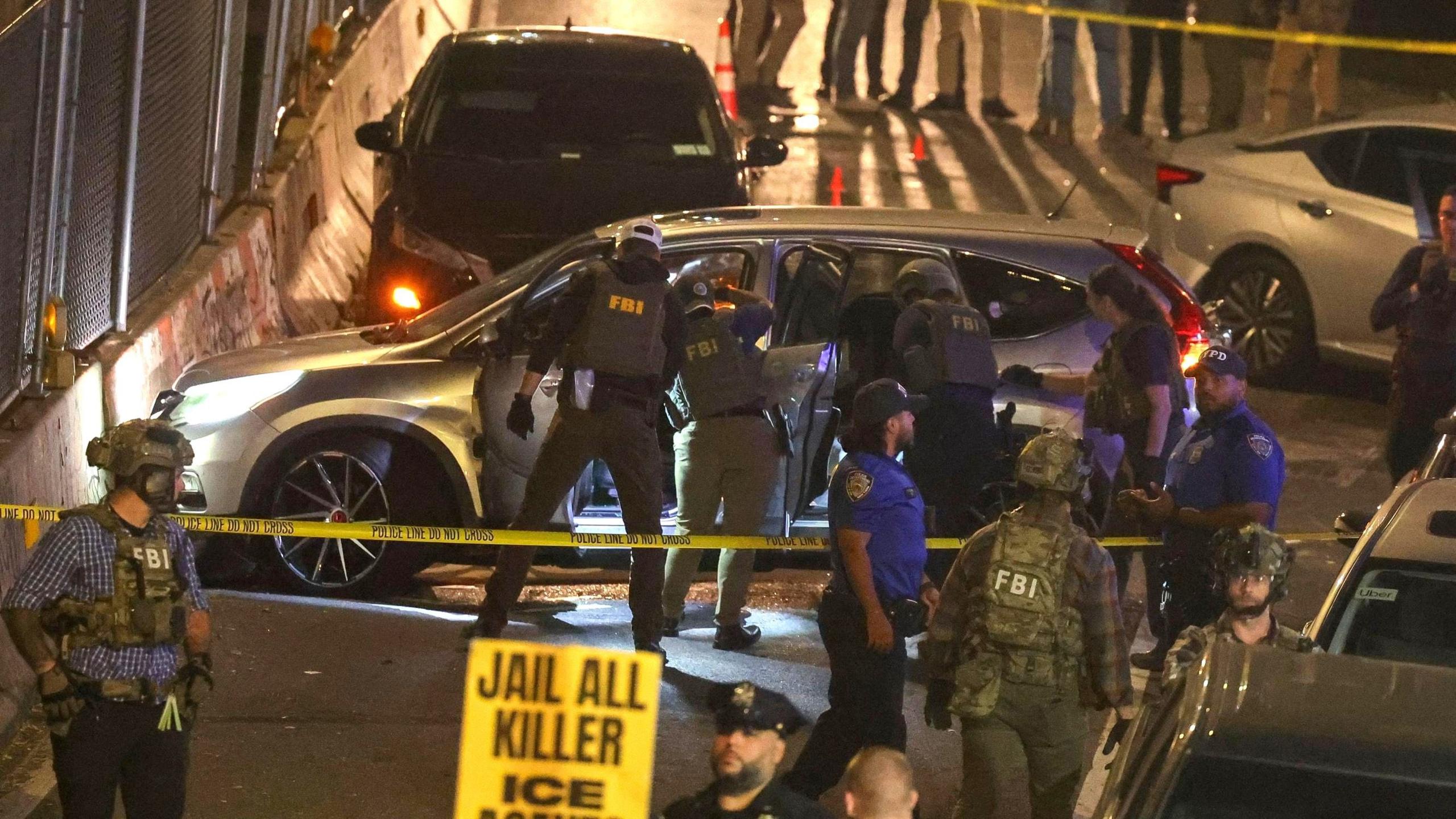
In a dramatic late‑night event in the Bronx, a US Immigration and Customs Enforcement (ICE) agent discharged a weapon inside a car, striking 28‑year‑old Oscar Belgal who was alive but wounded. Five‑year‑old Ben Belgal sat in the backseat when the shooting unfolded, a moment now framed by activists and city officials as a stark reminder of how emergency responses can ripple outward to touch everyday families.
The Department of Homeland Security (DHS) confirmed the agent’s action and described the driver as a “criminal illegal alien”, pointing to a history of convictions that included grand larceny and multiple drug arrests. Yet the short pause that followed the shooting—during which the driver was transported to a local hospital—did not quell the wave of dissent that accompanied the disclosure.
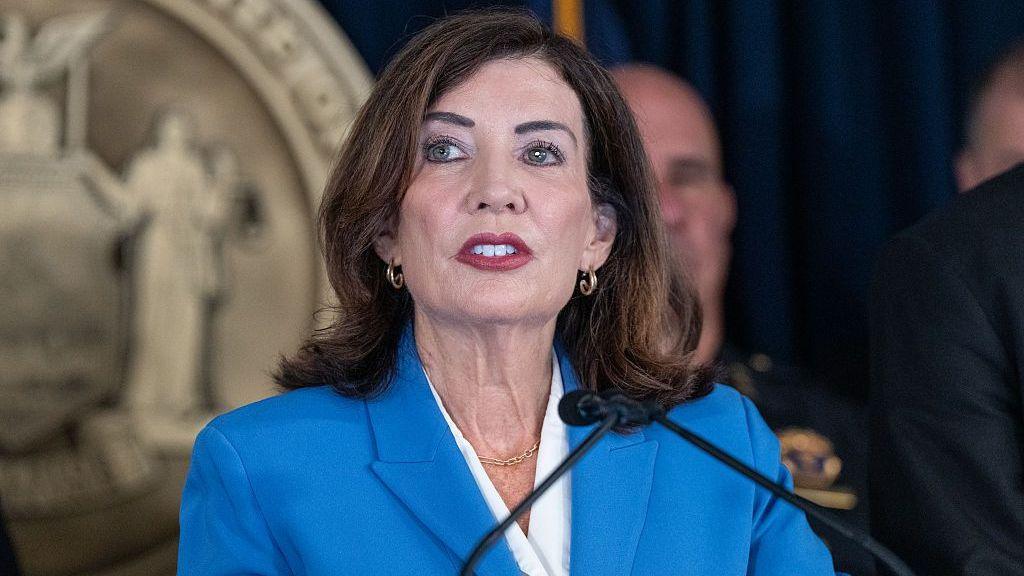
City leadership responded immediately. Mayor Zohran Mamdani labelled the shooting an “unconscionable and incredibly serious situation”, calling "ICE agents terrorise our communities". Governor Kathy Hochul reached out to President Donald Trump, demanding an explanation and the release of body‑camera footage. Trump, for now, has remained silent.
Beyond the immediate controversy, the incident highlights an intersection that New York City’s ambitious climate agenda cannot ignore: ensuring that the infrastructure built to reduce emissions—be it green roofs, electric buses, or community gardens—serves communities that feel criminalised and surveilled by federal forces. When fear infiltrates everyday spaces, it undermines public participation in environmental projects and stymies the work that keeps cities resilient in the face of climate shocks.
City leaders voiced a clear demand: conclude enforcement actions in local jurisdictions or allow police to resist ICE interventions. The idea of “police stop” policies, already adopted in several cities, is furthered by the need to keep enforcement separate from everyday social and environmental services. The incident only adds urgency for a future where public safety, human rights, and the climate transition go hand‑in‑hand.
As citizen activists rally for justice, they also remind urban centers that the health of their ecosystems, air quality, and shared green spaces depend on secure, respectful communities. The shooting is more than a criminal matter; it is a call to fortify the land, the people, and the policies that make climate resilience a shared goal.