
In brief
The FBI has confirmed a data breach that compromised the private information of thousands of agents, prompting concerns over phishing threats and personal security. ShinyHunters, a young hacker group, threatened to release the stolen data unless the FBI withdrew a controversial advisory. The incident highlights the vulnerability of sensitive digital records and raises alarm among environmental agencies that rely on secure data stewardship. Experts say the breach underscores the need for stronger cyber‑defence protocols across all sectors that handle confidential information.
FBI data breach raises alarm over cyber‑security of climate research
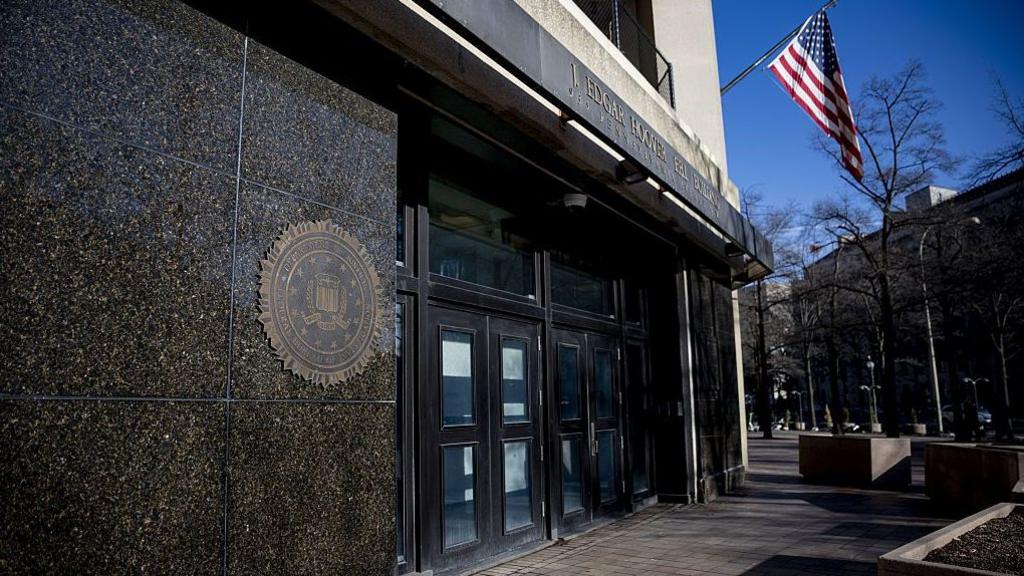
Current and former FBI agents have conveyed shock, fear and anger after a hack that exposed the private and personal information of the agency’s entire workforce. In a shared group chat, agents fear that criminals could use the data to target them or launch highly convincing phishing schemes.
The breach, attributed to the ShinyHunters group, threatened to publish the stolen databases within four days, demanding the dismissal of an FBI advisory issued in May. The group claims the advisory “offended” them and hopes the FBI will retract it.
ShinyHunters is not seen as a highly sophisticated hacking crew; its past activities have included extortion attacks on Rockstar Games and the education platform Canvas. The FBI’s response has been described as “sloppy and lazy” security failures that enabled the breach.
Even more unsettling is the breadth of data exposed: names, addresses, phone numbers, badge numbers, job titles, spouse information, and highly sensitive medical records—including blood and urine test results. These details were shared openly on the group’s darknet site, with some already circulating in cyber‑research communities.
“The agency leadership is lost,” a former cyber investigator told reporters. “The FBI’s own officers are furious about the sloppy security that left us vulnerable.”
Security specialist Michael McPherson warns that the hack not only endangers agents but also could coerce rival agents’ families into exposure. “These breaches have national‑security implications, including recruitment by hostile foreign intelligence services,” he added.
The fallout has prompted questions about how the FBI will manage potential leaks. The agency has no plans to comply with the extortion demands, and ShinyHunters says the release will proceed on their darknet platform if terms are not met.
The incident is a stark reminder that any organization handling sensitive data—whether law‑enforcement, governmental, or environmental—must guard against cyber‑threats. Climate research institutions, collecting and analyzing large volumes of confidential environmental data, face a parallel risk profile and must enhance their cyber‑defence and data‑governance protocols.
The FBI’s statement is that it is “aggressively investigating” how the breach occurred. In the interim, agents have been advised to take protective measures such as enrolling in the DeleteMe service, though many feel this is insufficient.