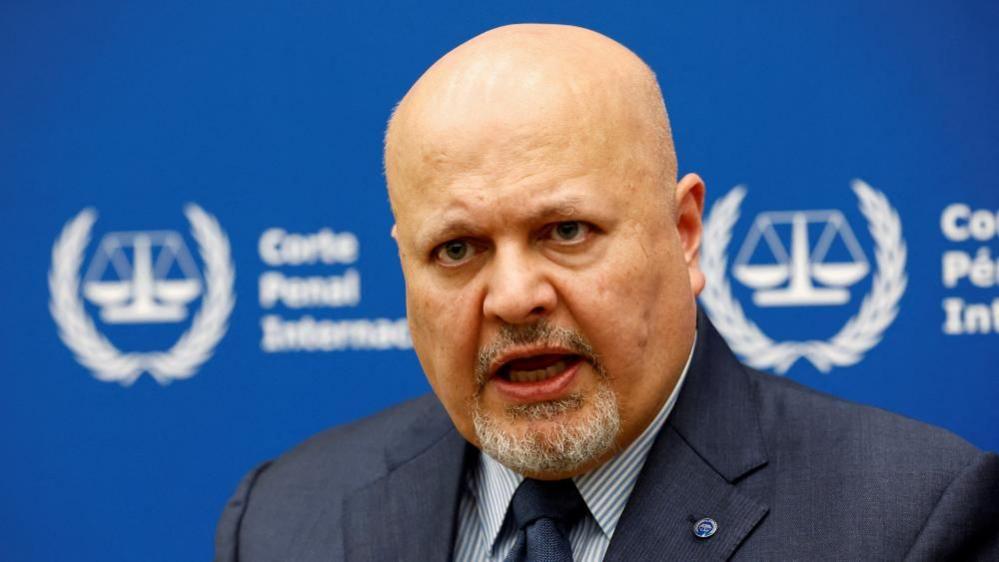
Members of the International Criminal Court (ICC) have voted to remove Karim Khan as chief prosecutor after an investigation found a serious breach of duty, including an improper sexual relationship with a junior staff member and attempts to stop her from pursuing a complaint.
Khan, elected in 2021, was suspended last month. The Assembly of States Parties approved his dismissal with 82 votes in favour, a move the court says will be legally challenged by Khan’s lawyer.
The ICC’s oversight body issued a statement noting that the removal underscores the court’s commitment to a safe, inclusive and respectful working environment for all personnel. It also suggested that the process could reshape the ICC’s future and its ability to address the gravest global crimes.
Khan, a prominent British lawyer, has been on voluntary leave since May 2025 to fight the allegations. He remains suspended from practising law in the UK after the Bar Standards Board imposed an interim ban.
He could not attend the vote in New York because he is barred from entering the United States under sanctions imposed by the former Trump administration over the ICC’s investigation into alleged war crimes in Gaza.
The broader context of the case involves a series of investigations into Khan’s conduct, beginning with allegations reported in May 2024, an initial inquiry by the ICC’s Independent Oversight Mechanism, and a subsequent review by the United Nations Office of Internal Oversight Services. Over a 16‑month period, the OIOS managed more than 5,000 pages of evidence and testimony, ultimately concluding there was insufficient evidence to substantiate the allegations, though the matter was later reopened by a panel of judges.
Politically, the ICC has faced increasing pressure from the United States, which has sanctioned Khan after he sought arrest warrants for Israeli officials linked to the Gaza war. The U.S. launched a "whole‑of‑government" campaign to dismantle the ICC, threatening visa bans, asset freezes and diplomatic pressure on allies to withdraw from the court.
While the ICC’s law‑enforcement remit centres on war crimes, its integrity is essential for broader international justice, including climate‑related crimes. Distraction and division within the court risk undermining its capacity to prosecute environmental violations and secure accountability for actions that threaten the planet.