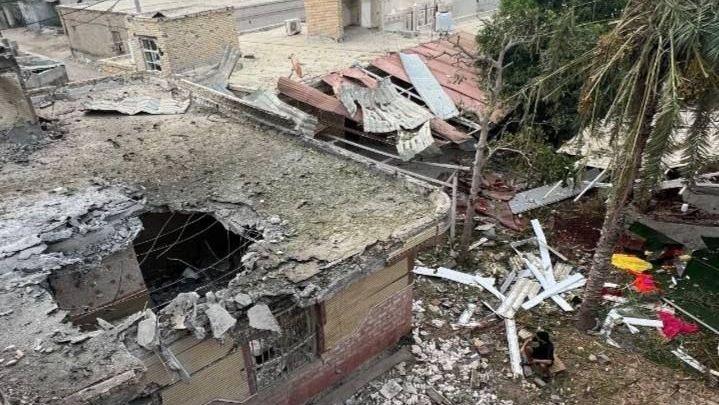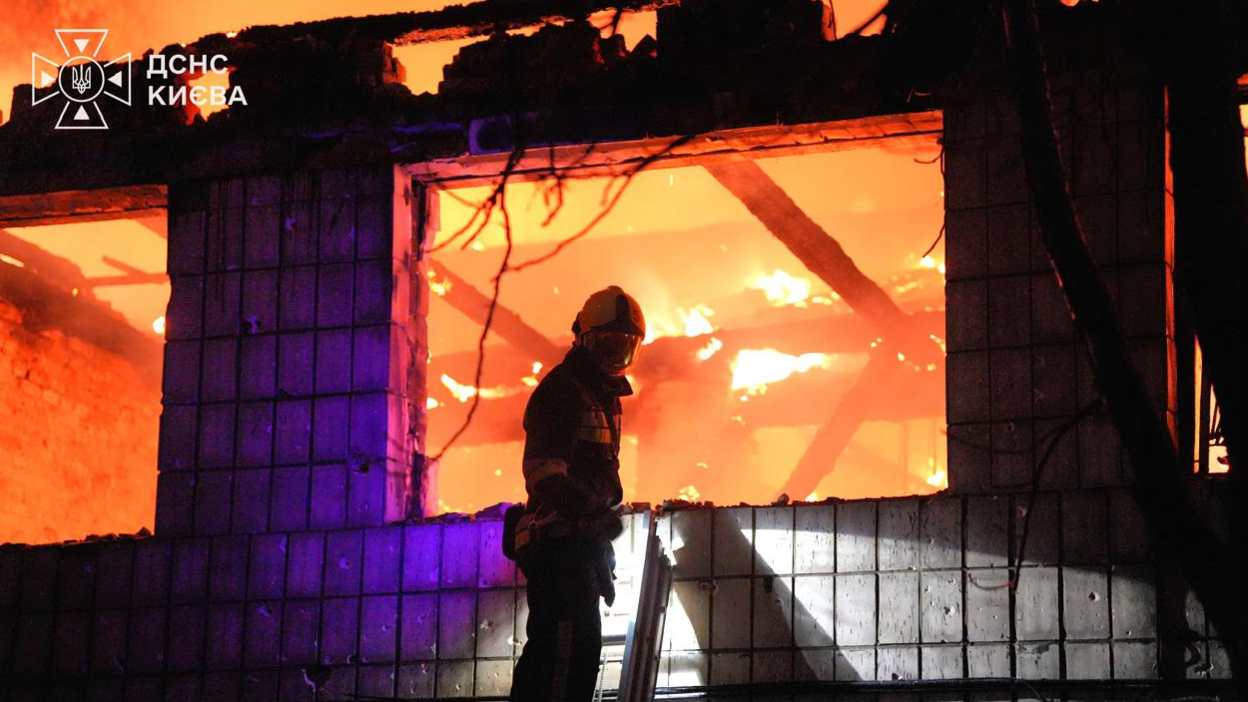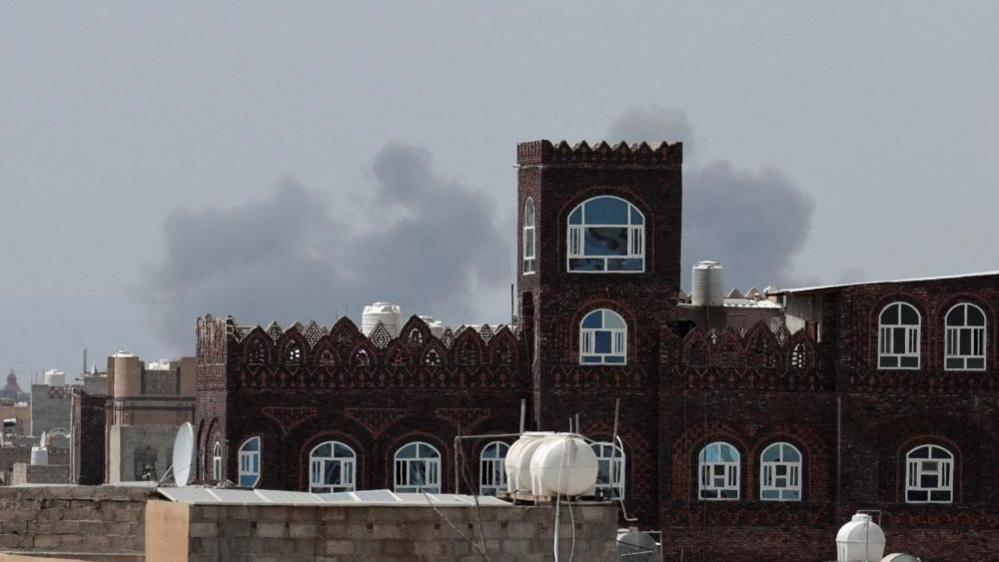
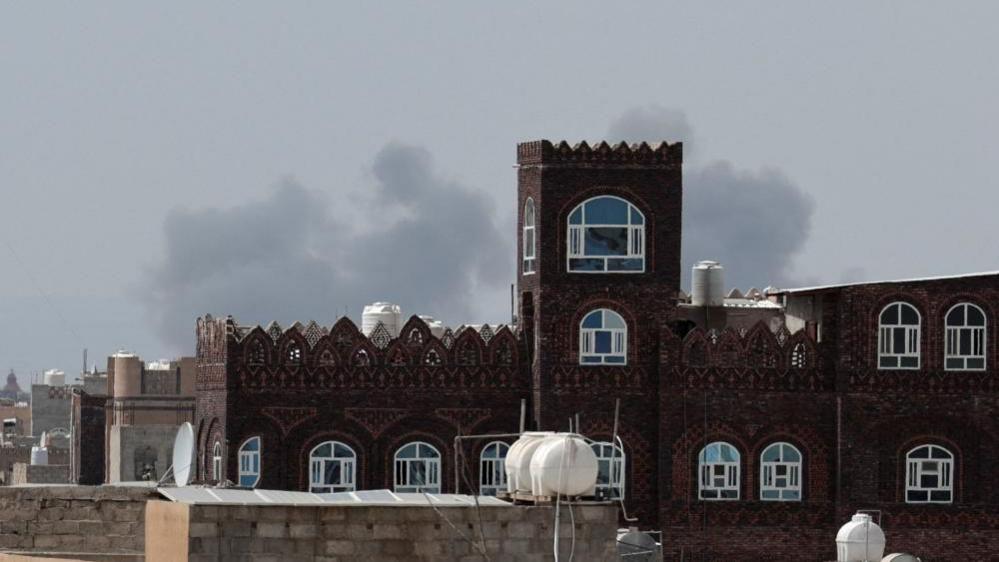
After the Saudi‑led coalition struck the runway of Yemen’s Sanaa airport, the Houthi movement fired a volley of missiles and drones at Abha International Airport in Saudi Arabia’s southern region.
Saudi defence officials said their air defences intercepted the incursions, reporting no casualties. The Houthis called the Saudi action “blatant aggression” and warned airlines against using Saudi airspace until the blockade on Sanaa airport is lifted.
The conflict, which first erupted in 2014 when the Houthis seized Sanaa and later prompted a coalition intervention in 2015, has killed more than 150,000 people. 22 million Yemenis require aid, making the war one of the largest humanitarian crises of the past decade.
The Houthis blamed the airstrike on the need to prevent an Iranian aircraft—carrying a delegation returning from Iran’s Supreme Leader’s funeral—from entering Yemeni airspace. They asserted the need to deny the Iranian plane landing rights at Sanaa, forcing its redirection to Hudaydah in the western coast.
The Saudi‑led coalition’s response was recorded on X, noting that “air defences have dealt with ballistic missile threats launched by the terrorist Houthi militia towards the Southern Region”. No civilian injuries were registered.
At a UN Security Council emergency meeting, Assistant Secretary General Khaled Khiari warned that “Yemen and the wider region cannot afford another cycle of escalation” and called on parties to engage constructively under UN auspices.
The United Kingdom condemned the Houthi attacks as “reckless” and “threatening regional security”, while Iran’s foreign ministry denounced the air strike on Sanaa’s airport as a clear violation of international law.
The fighting and bombing have also destabilised the region’s fragile environment, contributing to increased air and ground pollution, with lingering effects on public health and local ecosystems. In a climate‑vulnerable country already battling water scarcity and food insecurity, the war’s environmental toll adds urgency to the humanitarian picture.