In brief
Two Bell helicopters collided while battling Greek wildfires, killing a Danish pilot and a Greek fire‑service officer. A British pilot and a Greek coordinator survived the crash with minor injuries. Following the incident, all Bell helicopters in Greece were grounded. The tragedy underscores how climate‑induced heatwaves are worsening fire outbreaks across Europe.
In a tragic turn of events near Athens, two Bell 429 helicopters collided while fighting wildfires, killing a Danish pilot and a Greek fire‑service officer.
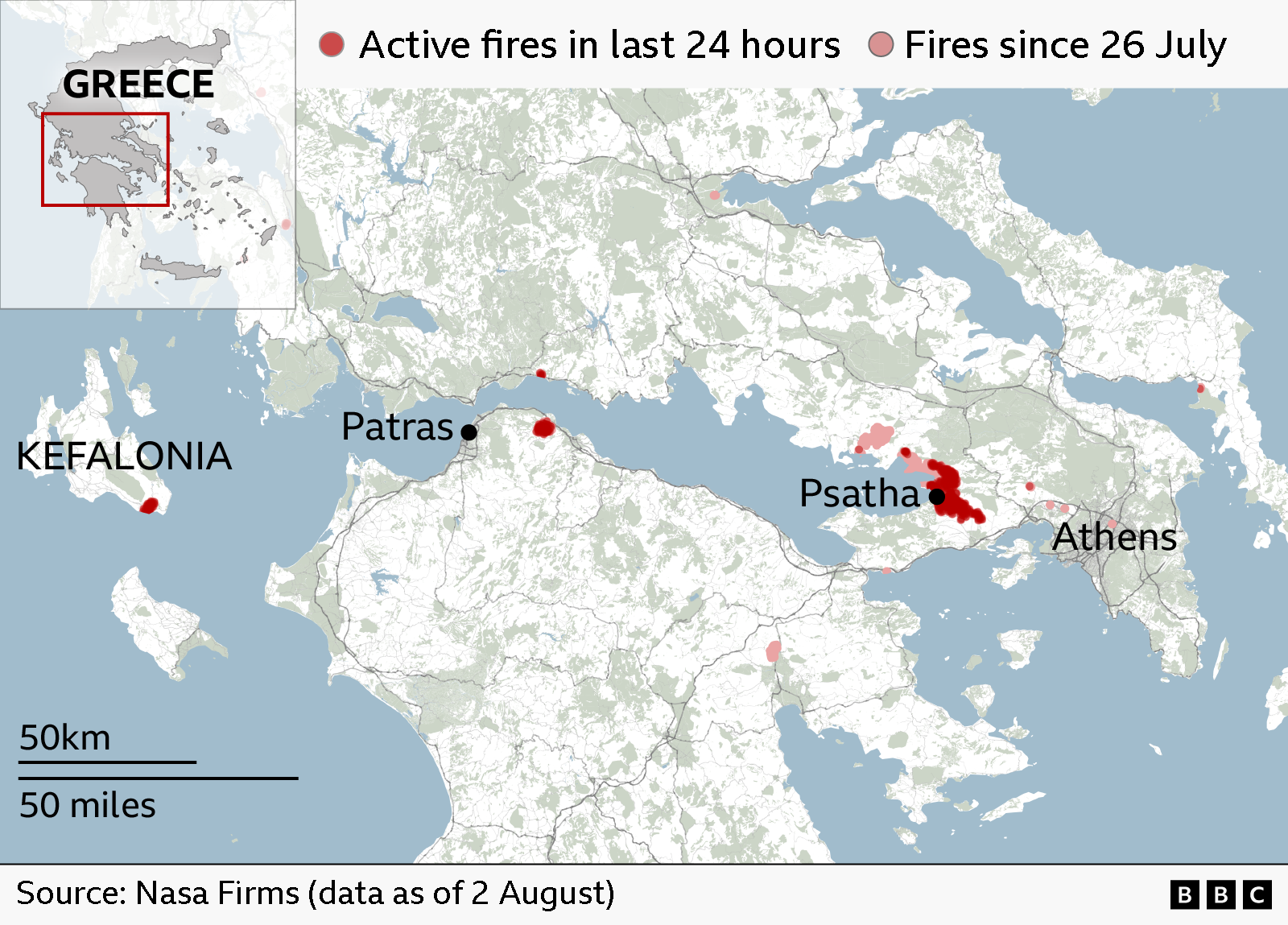
The aircraft, leased from Australian firm McDermott Aviation, were part of a joint operation on the Attica‑Boeotia border. One helicopter burst into flames on impact, while the other managed an emergency landing in low vegetation.
A British pilot and a Greek coordinator aboard the surviving craft sustained minor injuries but survived and were taken to hospital for observation.
Greek authorities grounded all Bell helicopters nationwide in response to the collision, following operational protocol. The second helicopter made a controlled emergency landing, prompting swift rescue efforts.
Prime Minister Kyriakos Mitsotakis expressed his deepest sorrow, highlighting the loss of both the Greek coordinator and the Danish pilot. He offered condolences to their families and called for stronger safety measures.
The incident comes amid a week of widespread wildfires across Greece, Africa and the Middle East, sparked by prolonged heatwaves and dry vegetation—conditions intensified by climate change.
Last winter’s mild, wet conditions encouraged abundant vegetation growth, which, when subjected to successive hot spells, has become a vast fuel source for blazes.
Emergency services are accelerating the deployment of advanced air‑suppression technology, including Erickson air‑cranes and Canadair water‑bombing aircraft, to manage the escalating threat.
While local communities in this region have endured severe evacuations, most of the first responders rely on coordinated international support to maintain containment efforts.
The tragedy underscores the urgent need for integrated wildfire mitigation strategies and reinforces the critical role of climate‑adapted engineering in safeguarding lives and ecosystems.