In brief
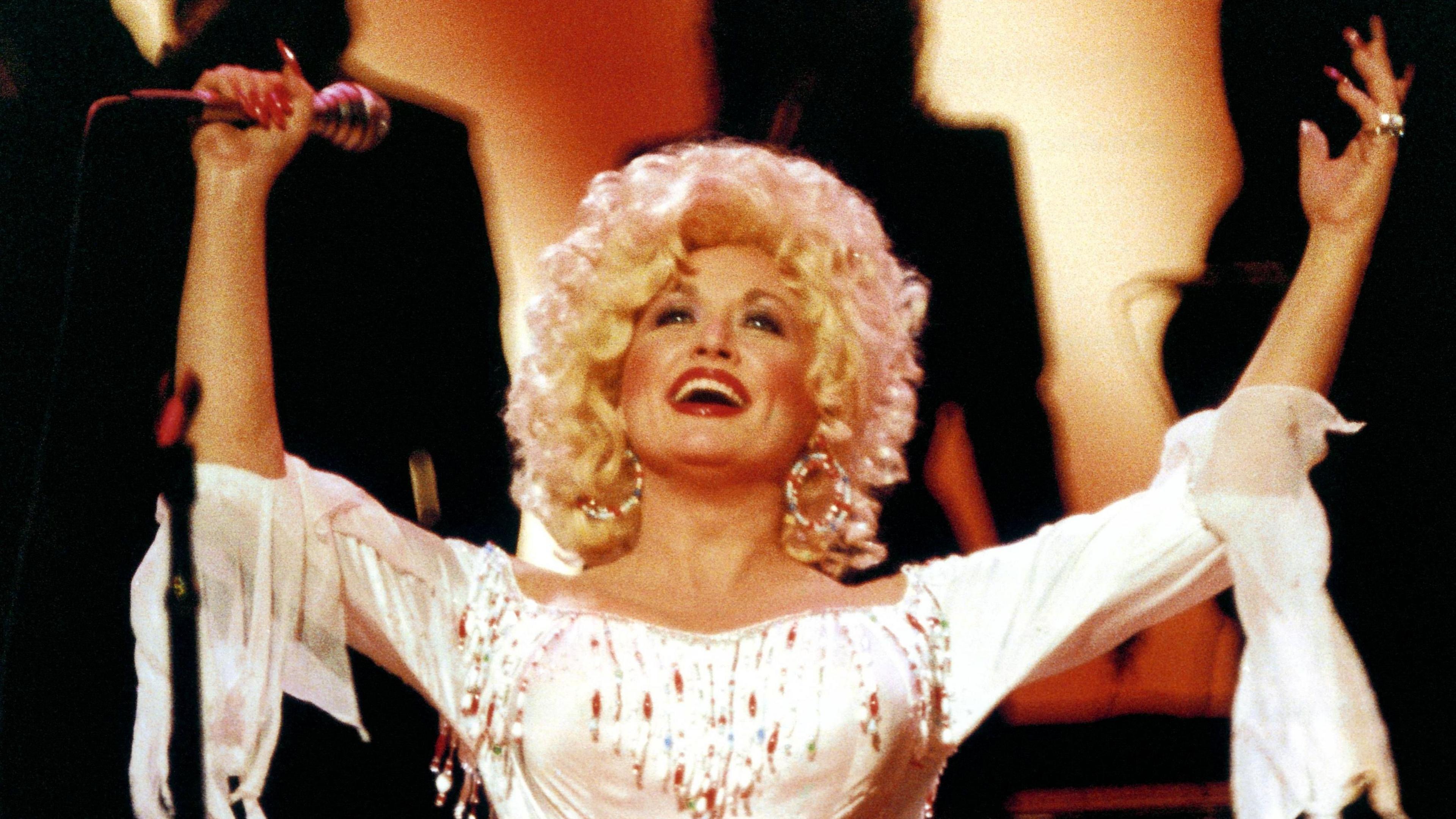
In 1980 Dolly Parton wrote the pounding rhythm for the film 9 To 5 while freehanding a tune on acrylic nails. The song’s core message about struggling to get paid at work echoes today’s drive for a fairer climate‑inclusive economy. From her early partnership on The Porter Wagoner Show to her bold move to separate from a powerful male mentor, Dolly has always defended her own voice in a patriarchal industry. Her philanthropic choices—investing book donations into the black neighbourhood in Nashville, funding scholarships for under‑resourced students—show how cultural icons can power long‑term community development. She also empowered the next generation of musicians, proving that owning one’s creative output protects artistic worth in a volatile market, a lesson that informs recording‑artist activism today.
In 1980 Dolly Parton sketched the thumping beat that would become the anthem for 9 To 5 while filming the movie of the same name. With a guitar banned from the set she used the slap of her own acrylic nails to mimic a typewriter, a device with which the film’s protagonist struggled daily. The simple rhythm became a rallying cry for those tired of the grind of 9‑to‑5 work, signalling early on Dolly’s skill at turning everyday frustration into powerful, universally relatable music.
Beyond studio beats, Dolly’s lyrics have long addressed the gendered imbalance in the workplace. In 9 To 5 she sings, ‘It’s a rich man’s game’, exposing how women’s contributions are often undervalued and unheard. That candid commentary resonates today as the workforce faces new challenges from climate‑driven job losses, making her anthem a message of solidarity for those fighting for fair pay and working conditions in a changing economy.
The country star’s early breakthrough came when she was signed as the ‘girl singer’ on The Porter Wagoner Show. From there she produced a string of duets that sparked a national conversation about partnership and respect. Eventually Dolly chose independence, setting a precedent for artists who feel more comfortable owning their work rather than surrendering royalties. Her refusal to sell half the rights for a future cover by a heavyweight made her a pioneer of artistic ownership and a mentor to newer voices who defend their music under a gig‑economy model.
Philanthropy sits at the heart of Dolly’s legacy. She invested proceeds from hit songs into educational programs—providing scholarships to disadvantaged students and donating over 200 million books to elevate literacy. In 1992 her sponsorship of a community in Nashville turned the money she earned into a lifeline for black neighbourhoods, showing how a cultural icon can channel wealth into a thriving, climate‑resilient community hub. This kind of direct support transforms education, energy, and opportunity for future generations.
Dolly’s influence reaches beyond the music charts; her social revolution inspired big‑name artists to pursue their own releasing strategies. The outspoken stance on re‑recording songs that could be leased to hedge funds mirrors Dolly’s early fight against unfair contracts and gives new artists a blueprint for preserving creative control. The current wave of climate‑activist musicians, from Taylor Swift to newer voices, looks to Parton’s legacy of backbone‑steel when they navigate the tension between artistry and business—clearly a new tradition of self‑determined environmental stewardship.
From her first role as a performance artist to her last public speech, Dolly Parton demonstrates how musical creativity can seed social change, cultural resilience, and environmental empowerment. Her life stands as a testament to the power of heart, hope and a steely determination and shows that every note can be a step toward a sustainable future, where community strength and artistic ownership go hand in hand.