In brief
With a government shutdown in effect, many Head Start centers across the U.S. are facing closures due to lack of federal funding. The situation is dire for families relying on these centers for childcare, food assistance, and developmental support. The shutdown affects centers in multiple states, particularly those serving vulnerable populations, including migrant families.
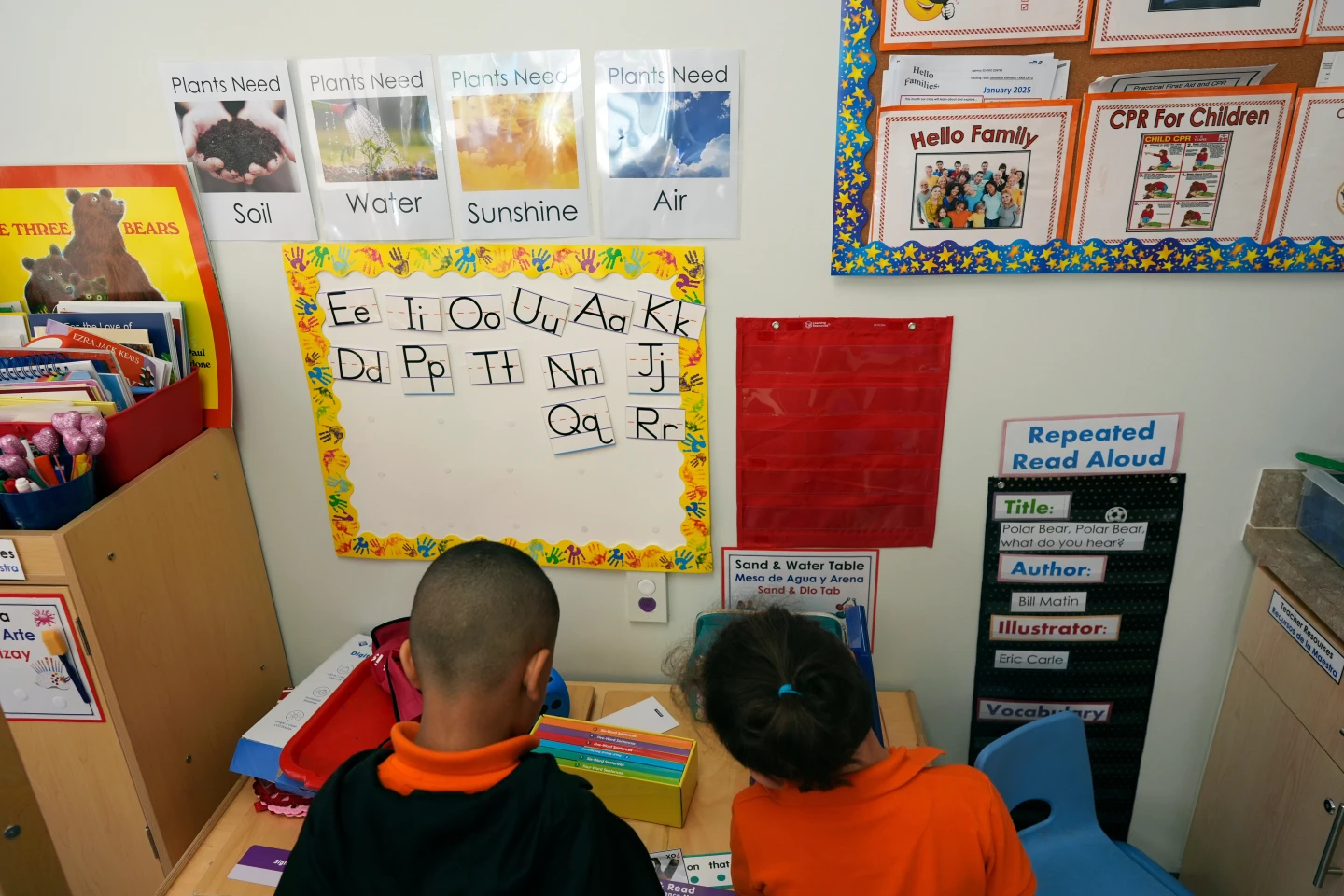
The ongoing government shutdown is causing significant disruptions in services provided by Head Start centers, leaving many of the nation’s most vulnerable children without access to preschool. Centers are facing closures due to the lack of federal grant payments that were expected but have yet to arrive, putting childcare and early education for low-income families at risk.
Numerous centers across various states are now either shutting down indefinitely or struggling to remain open through emergency funds. Head Start programs serve families who are often low-income, homeless, or in foster care, emphasizing the critical nature of their services that include food, early education, and developmental therapies for children.
According to Sarah Sloan, a supervisor for small-town Head Start centers in Ohio, the inability to provide these essential services is deeply affecting families and their daily lives. “Children love school, and the fact that they can’t go is breaking their hearts,” she stated.
As of now, about 140 Head Start programs have not received their annual funding, impacting approximately 65,000 children. Among those, 24 Migrant and Seasonal Head Start centers have ceased operations, affecting children across states like Florida and Georgia, where families are left worrying about childcare arrangements.
Parents have been forced to confront difficult choices, including the possibility of bringing children to the fields where they work. With the holiday season approaching, the reliance on programs like the Supplemental Nutrition Assistance Program (SNAP) adds to the complexity, as uncertainty surrounds food aid availability due to the ongoing shutdown.
Despite the adverse conditions, some Head Start centers are finding ways to stay open temporarily through local grants and community support. However, as funds dwindle, the future of these centers—and the families they serve—remains uncertain.
As the situation progresses, community initiatives and local governments are stepping up, demonstrating the importance of collaboration in challenging times. Advocates stress that continued efforts are necessary to ensure that vulnerable families receive the support they need.