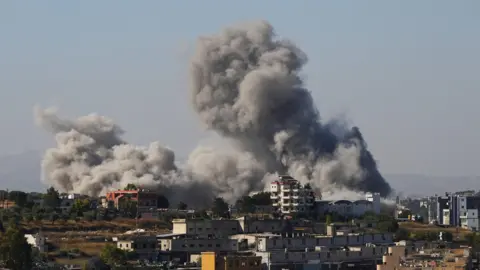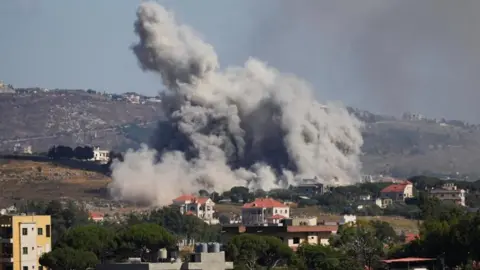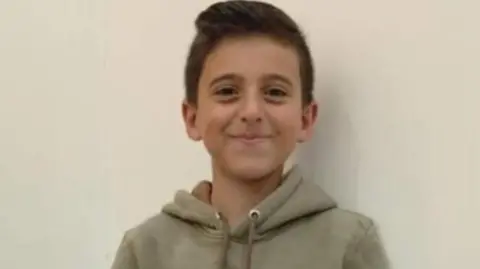
A funeral has been held in a southern Lebanese village for an 11-year-old boy and his uncle who were killed in an Israeli air strike.
Jawad Younes and his uncle, 41-year-old Ragheb Younes, were laid to rest in Saksakiyeh on Saturday after their family compound was hit a day earlier.
They are among the latest casualties in Israel's offensive against the Iran-backed armed group Hezbollah, after the group fired rockets into Israel earlier this month amid the war between the US and Israel against Iran.
Lebanese health officials say more than 1,100 people have been killed since the escalation began, with civilians increasingly caught in the crossfire.
The Israeli military did not respond to a request for comment on the intended target of the strike that hit the Younes family compound.
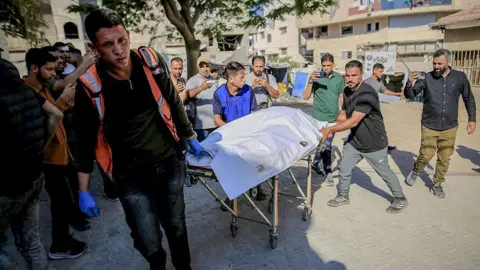
Hundreds gathered in Saksakiyeh town centre for Jawad and Ragheb's funeral. Women dressed in black robes wailed over the bodies, one of which was draped in Hezbollah's yellow flag - a reflection of the group's support in this largely Shia area.
Malak Meslmani, Jawad's mother, sat beside her son's body with tears streaming down her face. My son is gentle and pure, she said, lamenting that her son's dream of martyrdom was taken away when he was killed.
As the funeral procession made its way to the grave site, the sound of Israeli air strikes echoed in the distance. The strike on the Younes family home happened shortly after 13:00 (11:00 GMT) on Friday. Jawad's father told reporters that his son had been playing football with his nine cousins at the time.
Jawad's father threw his hands in the air in despair when questioned about the targeting of their home, insisting it was not a military base, as evidenced by the presence of children.
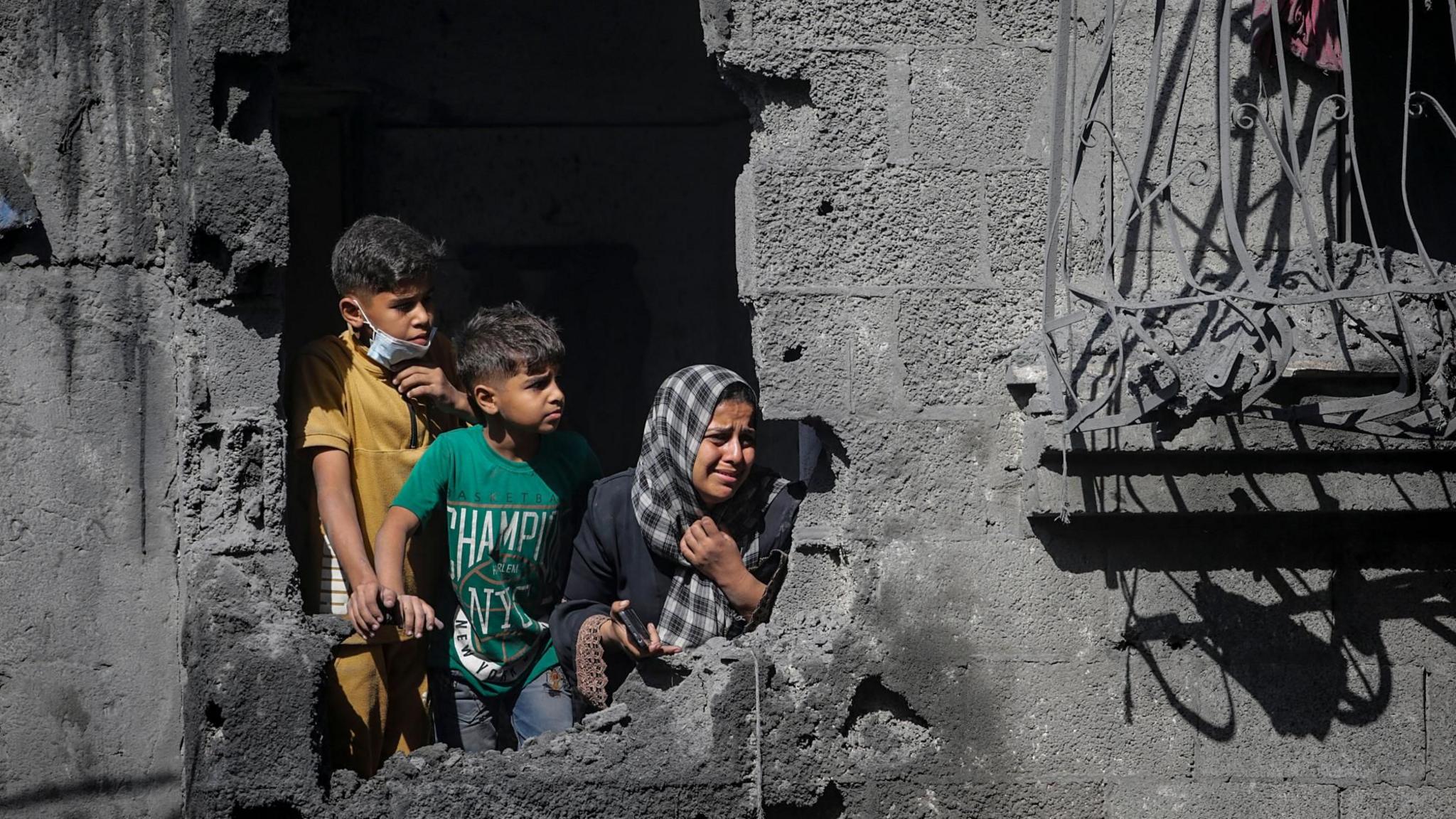
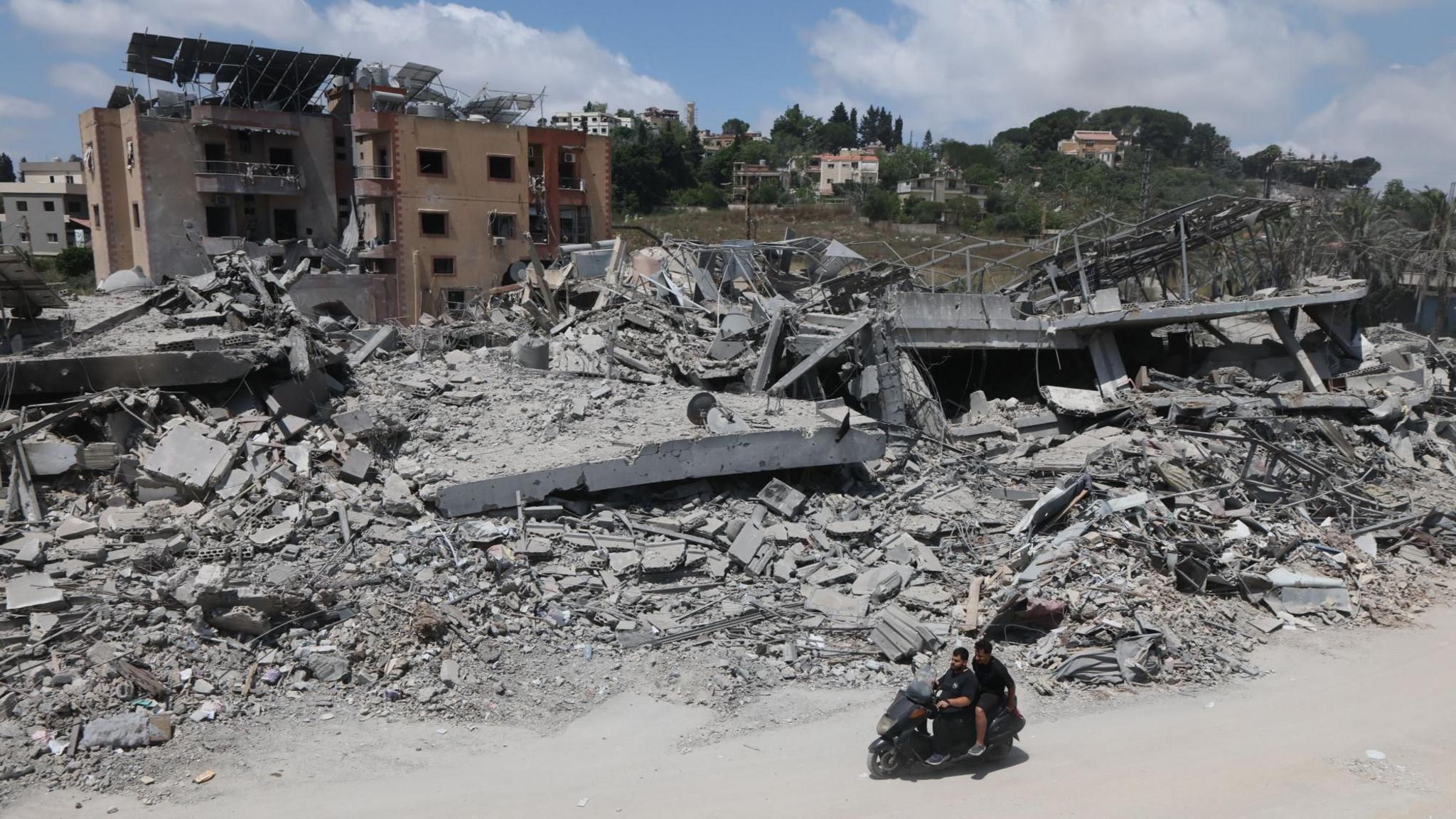
Five survivors were taken to a nearby hospital, including Jawad's aunt, who was severely injured in the strike. Amidst fragmented rubble and the echoes of war, the local community grapples with the heavy toll of ongoing violence.
The aftermath of the strike again highlights the humanitarian crisis in Lebanon, with the UN warning that the situation could become catastrophic, particularly for over a million people already displaced since the conflict escalated.
As the conflict continues, those in southern Lebanon, like the Younes family, remain determined to resist oppression, despite the profound losses they have suffered.