In brief
In July 2026, Swiss authorities discovered the bodies of two Belgian mountaineers who vanished in 1992, thanks to the rapid melting of the Trift Glacier. The find, confirmed by DNA, highlights the perilous rate of glacier retreat in the Alps—averaging 3 % loss in 2025 alone as recorded by Glamos and Copernicus. The event underscores a broader trend in which disappearing ice is revealing decades‑old mysteries, while also threatening mountain tourism and ecosystems. As global temperatures rise, scientists warn that continued glacier shrinkage will increase risks of avalanches and has profound implications for water resources and alpine biodiversity.
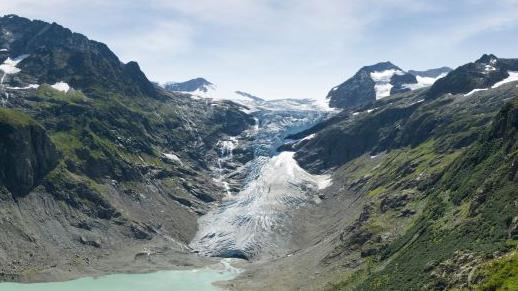
The Swiss Alps, long a symbol of awe‑inspiring beauty, turned a silent witness into a scene of somber history. On 26 July 2026 a passer‑by discovered two bodies adrift in the Trift Glacier, south of Lucerne. Subsequent DNA testing identified them as Belgian mountaineers who vanished in 1992 near the Weissmies peak.
The finding is a stark illustration of glacier retreat that has accelerated to a terrifying pace. According to the Glacier Monitoring in Switzerland (Glamos) report, Swiss ice has lost a quarter of its volume over the past decade, with a further 3 % shrinkage driven by warmer temperatures in 2025 alone. This rapid melting is part of a global trend documented by the European Commission’s Copernicus monitoring body, where alpine ice loss has spiked since the 2000s.
Scientists attribute the alpine ice retreat to global climate change, noting that late‑season warmth in higher elevations has made snow fields less stable. In addition to the tragedy of the missing hikers, the melted glaciers pose a growing risk for mountaineers, with ice‑slide hazards and glacier‑borne debris becoming more common.
Switzerland’s police, after retrieving the bodies, turned them over to a hospital in Sion for thorough identification. They drew on a regional database of missing persons dating back to 1925, many of whom were noted to have disappeared in mountains or water. The discovery re‑affirms that glacier melt can reveal the outcomes of historical mysteries, as the 2023 finding of a German climber, missing since 1986, shows.
Beyond the human stories, the retreat of Switzerland’s glaciers threatens its ski resorts and the hydrological supply for downstream communities. The Alps’ snow dependence is a cornerstone of both tourism and freshwater resilience, and its loss could reshape economies and ecosystems alike.
Glasses: Glamos annual report 2025 offers detailed metrics of the 3 % reduction. For broader context on Alpine ice trends, the European Commission’s Copernicus report Copernicus Alpine Ice Monitoring 2024 outlines the global patterns.
The discovery of these bodies underscores the urgent climate crisis: as glaciers melt, they not only reshape landscapes but drop long‑forgotten human stories into the light. Their resolve to investigate the past offers a pertinent reminder that climate impacts cut across time and geography, demanding collective action for a sustainable future.