In brief
A decade‑long study reveals that the retreat of sea ice along East Greenland’s coast has unlocked new feeding arenas for some of the oceans’ largest mammals. From no humpback sightings in 2006 to 150 ship‑based observations in 2024, the numbers have surged. Researchers combined aerial surveys, satellite tags and Inuit hunter reports to chart a major ecological regime shift: whales are moving into ice‑clear waters where fish abundance rises. While this shift may benefit opportunistic baleen species, it threatens Arctic residents like narwhals and belugas who now share or lose habitat. The findings, published in Frontiers in Marine Science, underscore the complex, sometimes contradictory, ways climate change reshapes marine ecosystems.
Giant Whales Surfacing in Greenland as Ice Disappears
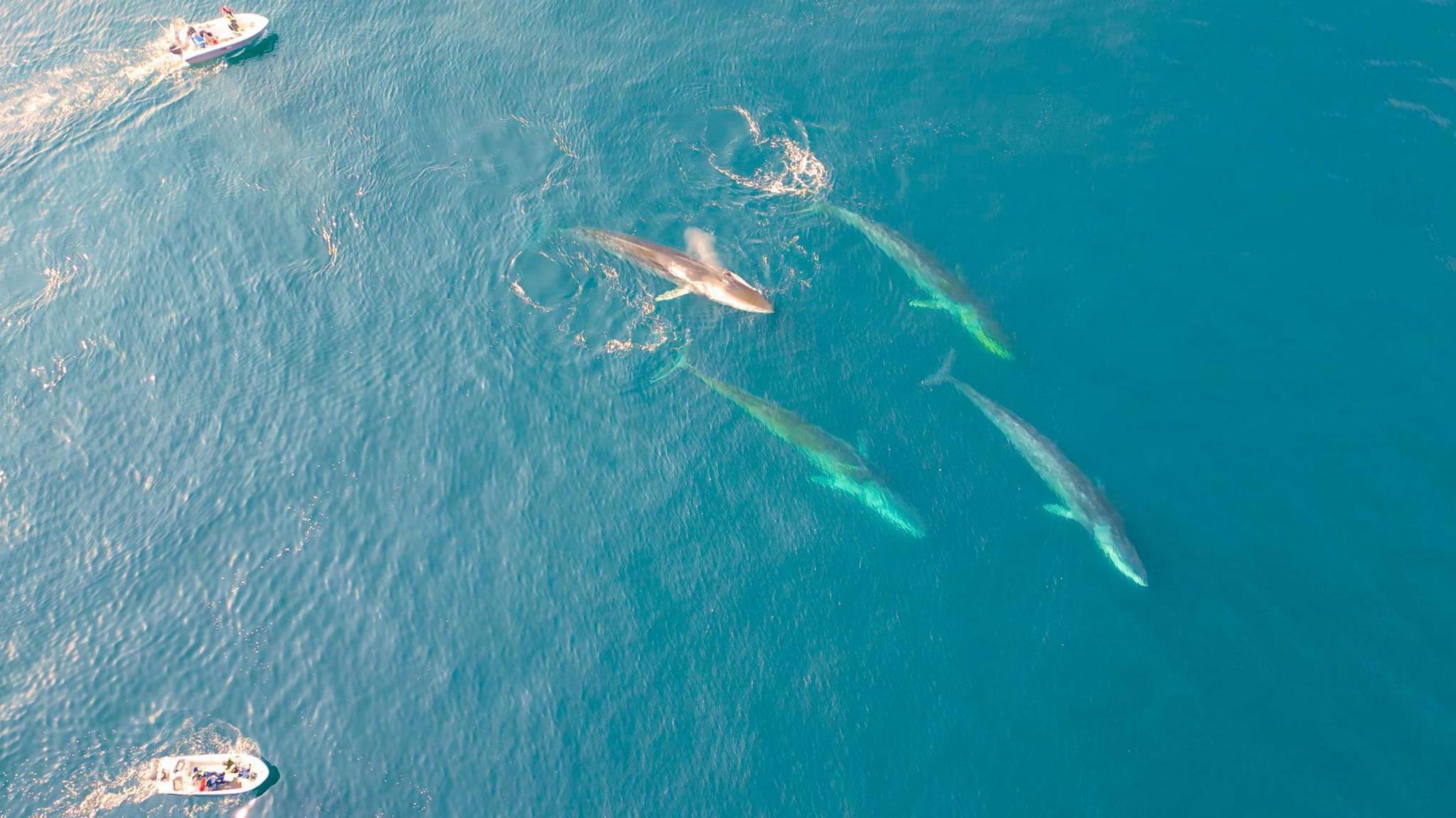
Decades of data from ship‑based surveys, aerial footage and satellite‑tracked individuals have revealed a striking shift in the feeding habits of some of the world’s largest marine mammals. Along the ice‑free coast of East Greenland, researchers now count hundreds of fin, humpback and minke whales in summer months when the sea was previously sealed by ice.
Before 2006, humpback whales had not been documented in the region. By 2007, seven individuals appeared, and in 2024 a ship‑based census recorded 150 humpbacks. Aerial surveys over 2015 and 2024, coupled with satellite tags on 15 whales and Inuit hunter testimony, paint a picture of a “major ecological regime shift,” according to lead researcher Prof. Mads Peter Heide‑Jørgensen of the Greenland Institute of Natural Resources.
In a single summer feeding season, researchers estimate 4,000 humpbacks, 6,000 fin whales and 6,000 minke whales consumed at least 800,000 tonnes of fish and krill. The warming seas have drawn prey species into the newly open waters, creating a boom in baleen whale sightings.
However, this boon for some giants may come at a cost for others. Narwhals, belugas and other Arctic residents are now sharing the same space—or are being displaced altogether. “Some species benefit from the new opportunities, while others lose habitat,” notes Prof. Heide‑Jørgensen.
The research, published in Frontiers in Marine Science, highlights the intricate ways climate‑driven shifts ripple through the Arctic marine ecosystem. Until now, the existence of these whales in Greenland’s summer waters was thought impossible, reminding us that the planet’s ecological balance remains more fragile—and far more rapidly changing—than we expect.