A Rising Tide of Demolitions in East Jerusalem Threatens Humankind and the Planet
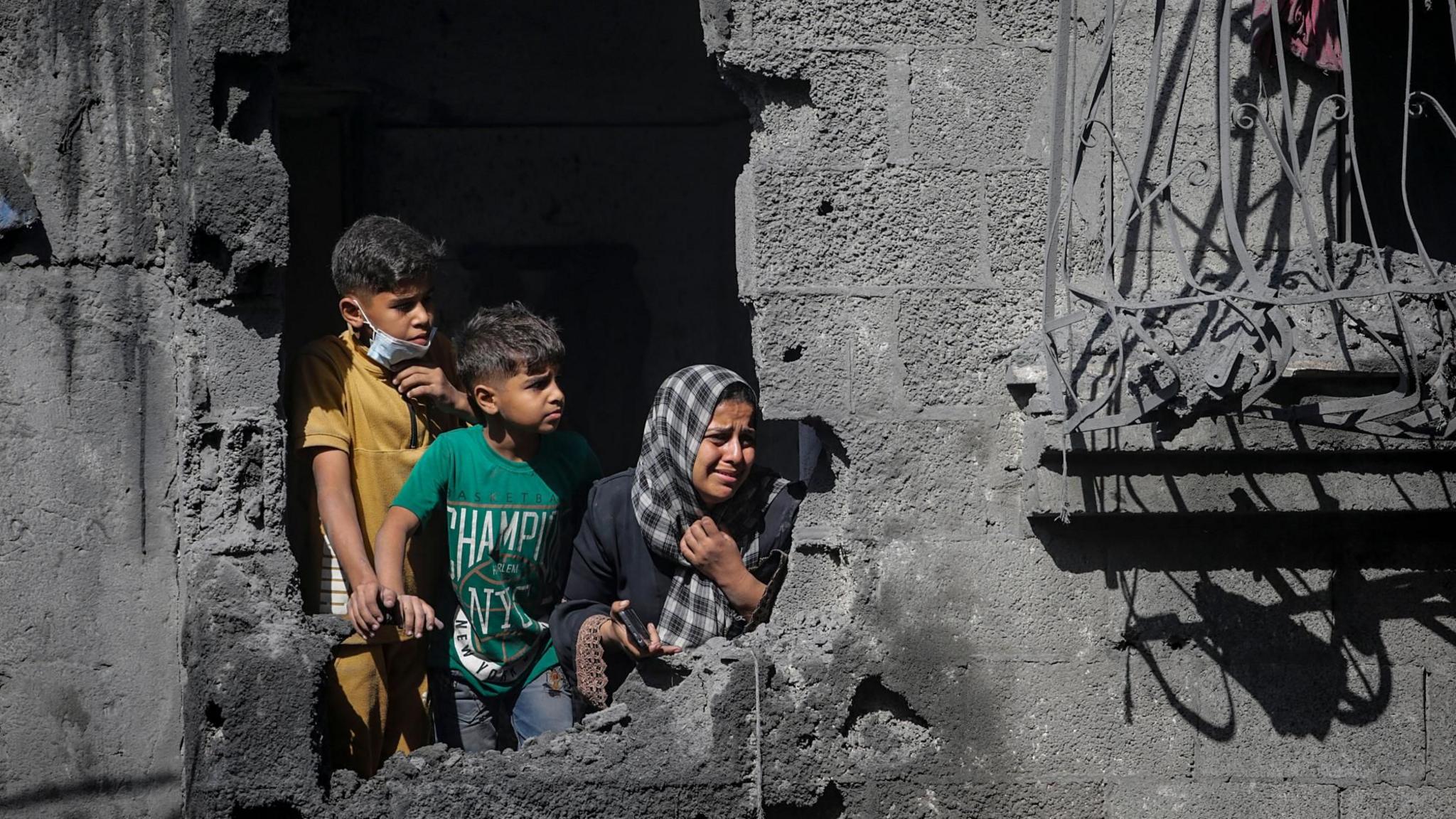
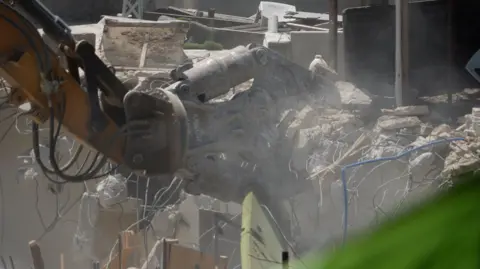
At the foot of Jerusalem’s ancient walls, the deafening sound of an excavator shatters the quiet that once hummed in the al‑Bustan neighbourhood of Silwan. A few weeks ago, the iron claw swallowed a family house with 58‑year‑old owner Fayez Awad surrounded it with a cloud of dust, wiping out years of built heritage and the potential greener living space the tower block could have offered.
“There is no future. They destroyed the future and everything else,” Awad said, his voice trembling behind the ruins of his only remaining floor.
These demolitions are not isolated. Roughly half of the 100‑plus homes in al‑Bustan have been razed, an event that mirrors Israel’s broader settlement strategy across Jerusalem and the West Bank. In a region where a climate‑resilient schema can bridge social divides, the loss of houses also means the disappearance of community gardens, solar rooftops, and low‑impact water systems that could accommodate climate‑smart practices.
The construction council in Jerusalem argue that a “biblical‑themed park” will bring green space to the city, but critics point out that such projects often sideline resident needs and lead to the forced displacement of Palestinians. Meanwhile, the landmark Yeshiva in the old city has seen the removal of the Basha family, nominally to create more space for Jewish students. The decision is a stark reminder of how urban planning is weaponised against those who could otherwise contribute to sustainable city life.
International organisations are listening. The EU’s recent statement declared the situation “dire” and decried the continual seizure of Palestinian property, highlighting the need for shared, equitable urban spaces that respect human rights and environmental stewardship. For an area straddling the world’s three major religions, the destruction of communities isn’t just a loss of cultural memory—it robs the region’s ability to adopt climate‑considerate, inclusive housing solutions.
“The EU reiterates its strong opposition to Israel’s settlement policy and activities.”
In the days ahead, the city will face an urgent question: can the long‑term “future” still be built on the foundations of a sustainable, climate‑mindful urban fabric, or will it be razed away to make way for new bulldozers?