In brief
After students protested a leaked exam paper and forced the resignation of Education Minister Dharmendra Pradhan, parliament speakers borrowed Gen Z slang like delulu, FOMO and clock it. The Cockroach Janta Party, a satirical online collective turned political torch, sparked the movement through memes, reels and WhatsApp chats. Politicians from both sides of the aisle used the slang, turning the debate into a cultural milestone. Political scientists warn that borrowing language is not new—courting the electorate mattered for decades—yet the speed of meme evolution means the rhythm of the debate could shift quickly. Youth leaders insist that words alone will not erase systemic problems; they demand accountability and policy change. The episode demonstrates how digital activism can translate into mainstream governance, providing a potential bridge for climate‑focused campaigns that rely on viral messaging.
India’s youngest, most digitally connected citizens have turned to the nation’s oldest legislative institution to speak their own language.
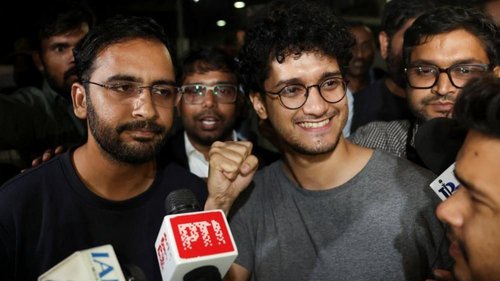
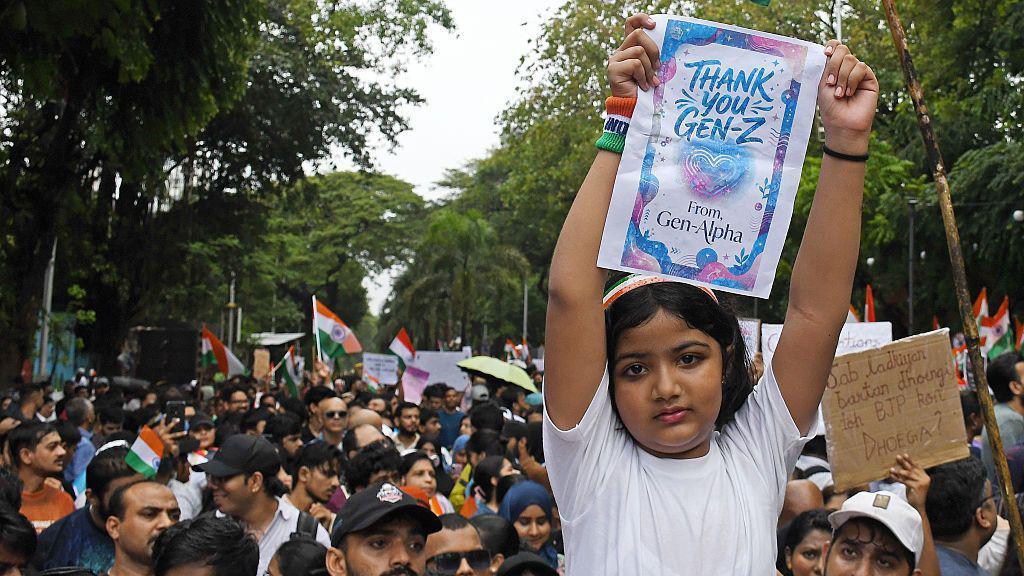
Their demand in the form of a student‑led protest on a leaked exam paper led to the resignation of Education Minister Dharmendra Pradhan, setting the stage for a parliamentary debate on a new anti‑exam‑leak bill.
When the debate began, politicians—including Shiv Sena’s Shrikant Shinde, Congress’s Deepender Singh Hooda, and BJP’s Bansuri Swaraj—used Gen Z terms such as delulu, FOMO and clock it. Even opposition voice Supriya Sule stepped outside the chamber to question the use of a youth slanguage, before herself employing the term to punctuate her point.
While the moment was striking, political scholars note that officials have historically borrowed popular culture to reach new voters. Rahul Verma of the Centre for Policy Research said politicians always “understand where their electorate is.” He points out that references to cricket, advertising and cinema have appeared in Parliament for decades.
Digital anthropologist Payal Arora argues that the real significance lies in the fact that the slang is born inside millions of online conversations, evolves rapidly, and disappears as quickly as it appears. This means its quick absorption into the legislative debate is a major indicator that the government is actively listening to the youth mind‑share, even if the language alone can’t solve the underlying issues.
Youth activists, however, responded with caution. One protester who asked to remain anonymous said that hearing politicians replicate her generation’s slang felt “cringe” and that she wanted real accountability instead of gestures. She urged politicians to “listen” rather than just echo the style.
This episode illustrates how online culture can spill into formal settings, a phenomenon that can be leveraged for climate outreach. If climate advocates harness rapidly spreading memes, reels and viral hashtags, they can capture young minds in a way that traditional lobbying may not achieve.
Memes, undeniably funny, also articulate frustration and demand better stewardship of the planet; they can therefore serve as an accessible bridge between complex environmental science and the everyday language of Gen Z. (image courtesy AFP)