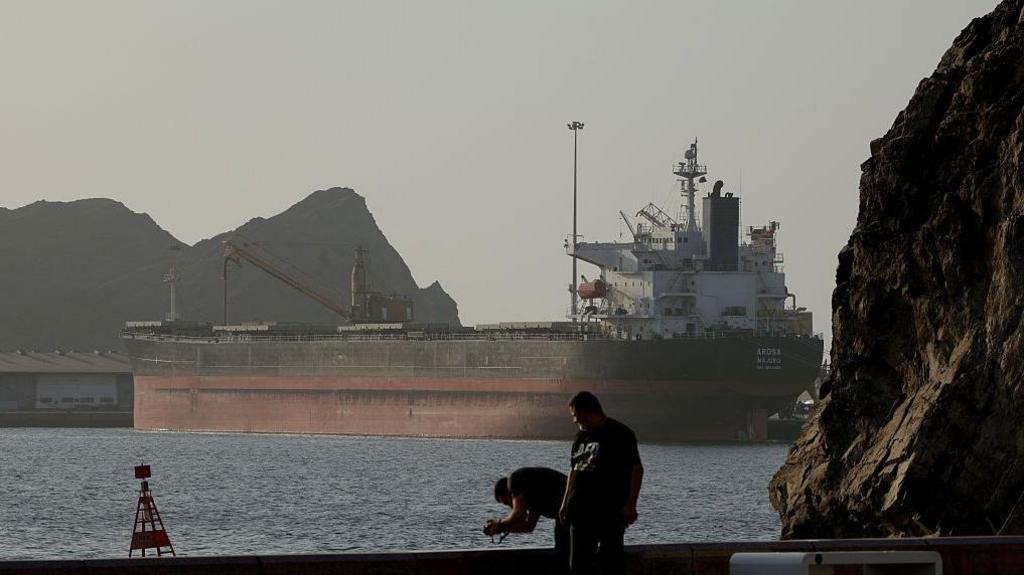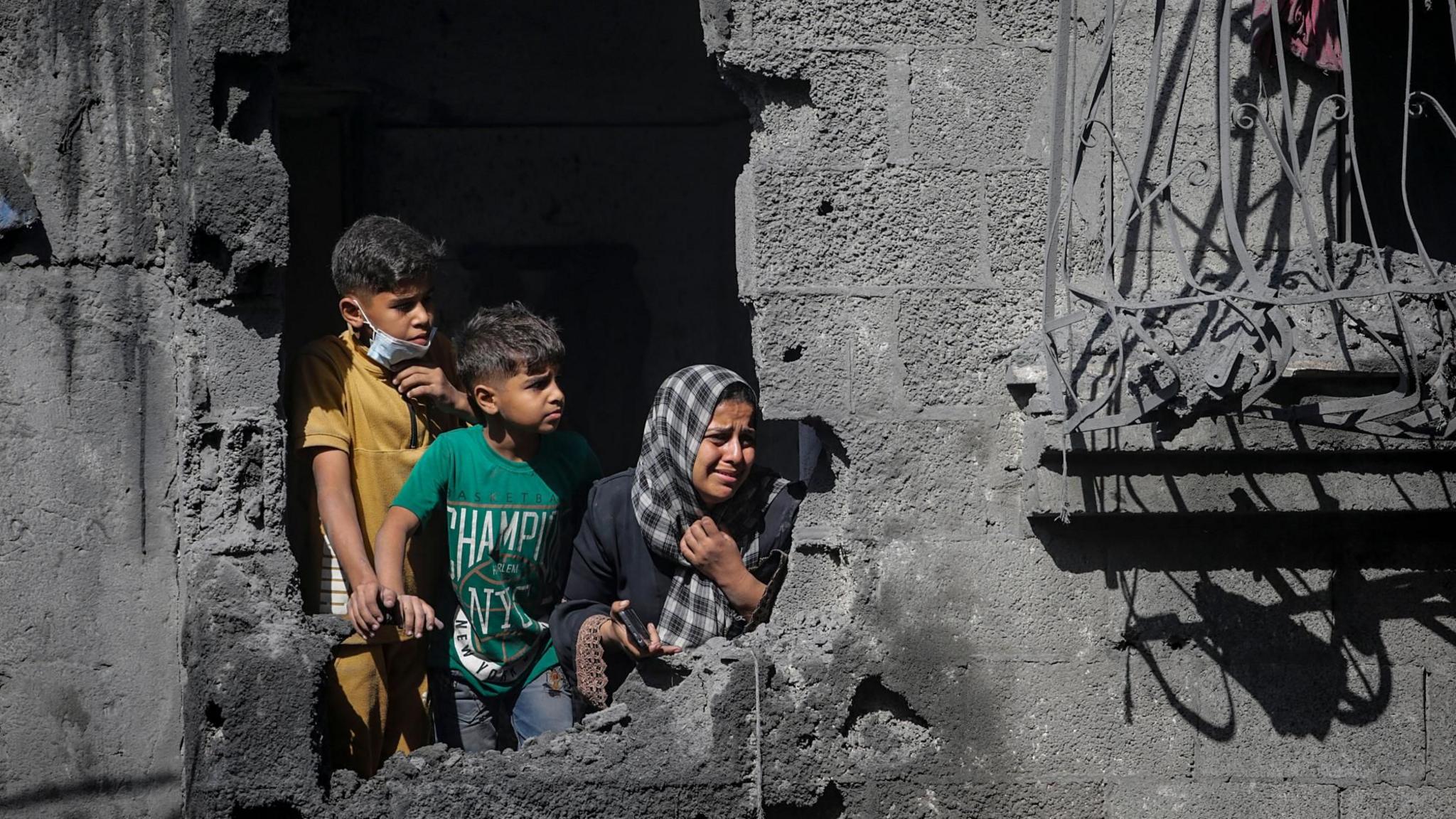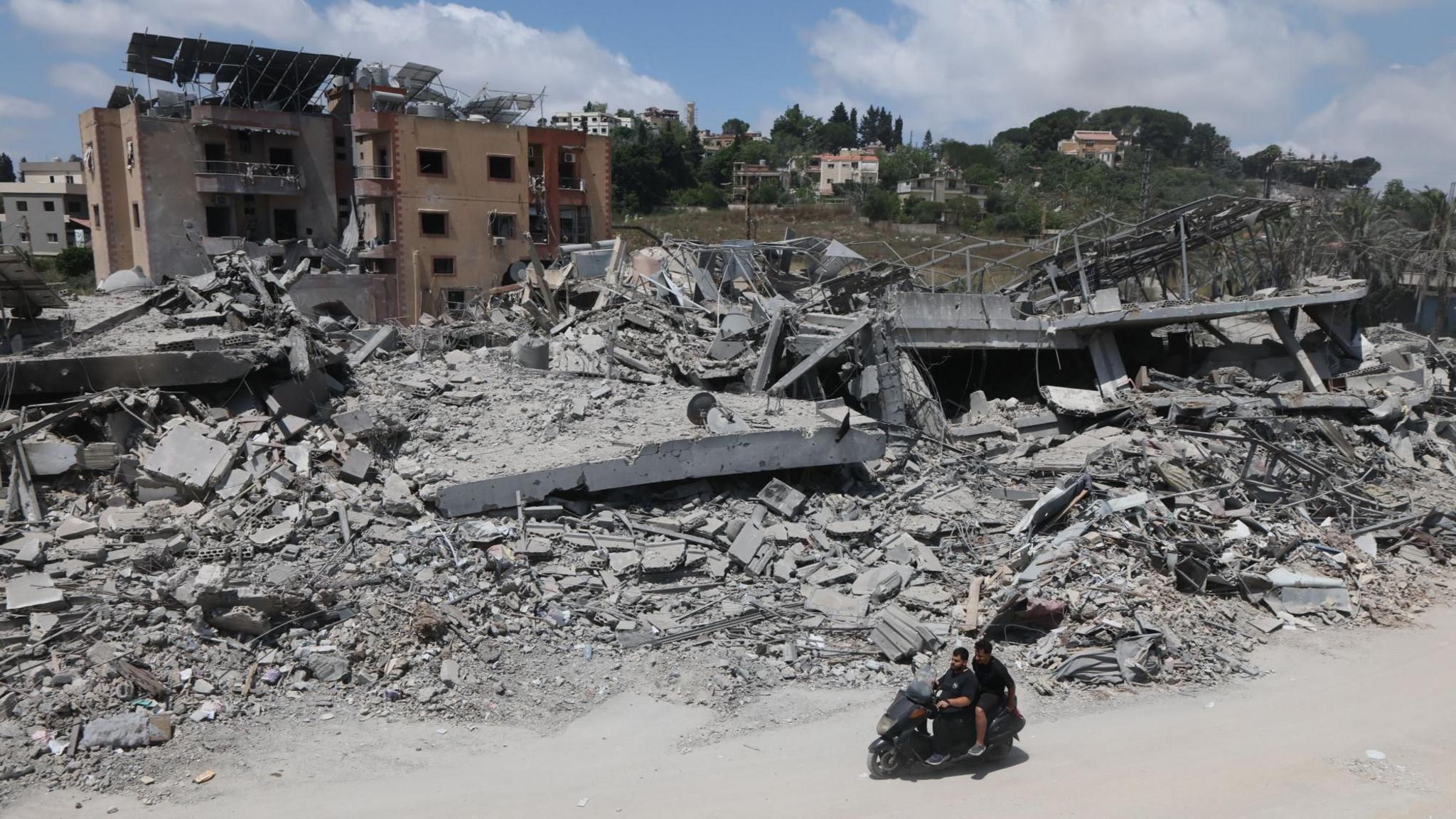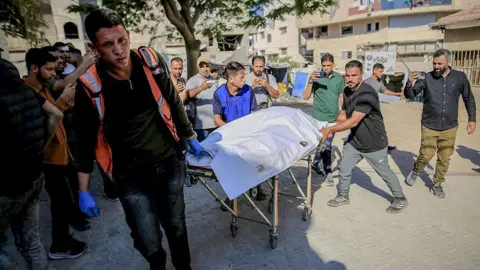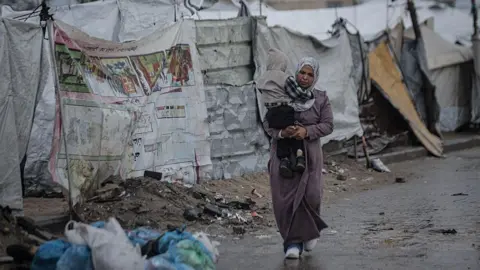
Nearly six months after a fragile ceasefire came into force in Gaza, Palestinians in this war-torn territory are still struggling. In the markets, there are again shortages of some goods and rising prices – with merchants saying supplies brought in from Israel have been disrupted by the new war in the region.
What does the war between Iran and Israel have to do with us? Prices have doubled here. Goods aren't coming in like before, says a shopper, Hassan Faqawi, despairingly. In this situation, the whole world is focused on Iran, America and Israel, and Gaza is forgotten.
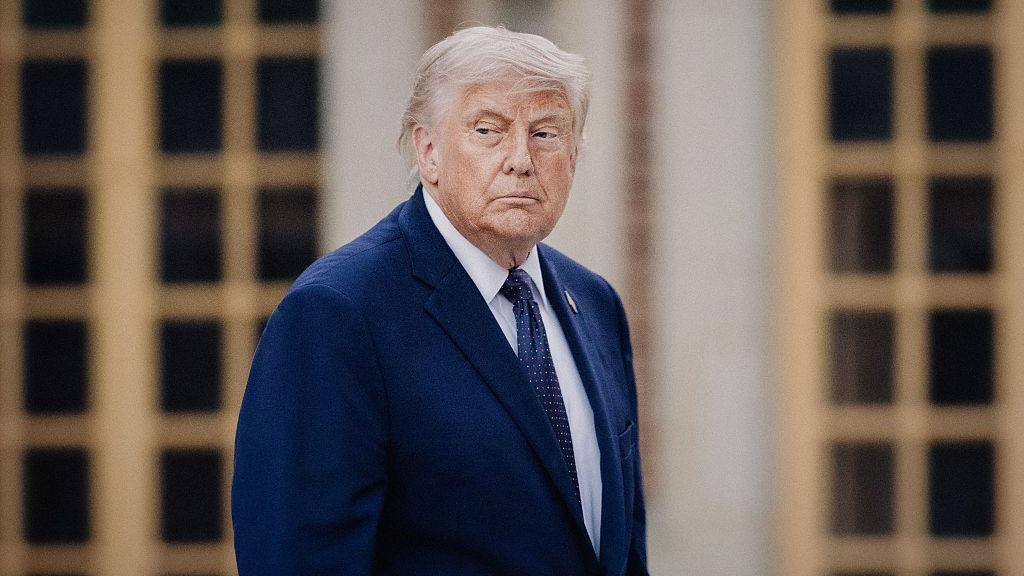
With the world’s attention diverted towards the Iran war, uncertainty looms over the future of Gaza at a critical point in President Trump's 20-point peace plan established after violence erupted in October last year.
At the UN Security Council, US-led Board of Peace High Representative for Gaza, Nickolay Mladenov, detailed a disarmament strategy for Palestinian armed groups, linking compliance with the initiation of reconstruction efforts. However, a Palestinian official familiar with Hamas indicated that the group would likely reject the suggestions, creating a possibility of renewed military action as Israel's prime minister calls for Hamas to disarm.
Heavy rains have worsened conditions in Gaza, with sewage systems overflowing and food prices skyrocketing. Although Trump's plan promises resuming aid and infrastructure rehabilitation, humanitarian agencies argue much work is left undone. We're not seeing large-scale debris removal or sufficient fuel to operate power systems. This is basic survival in Gaza, says Bushra Khalidi from Oxfam.
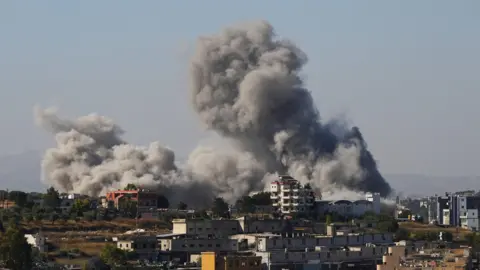
Despite the fragile ceasefire, Israeli airstrikes have persisted, further complicating the situation for many Gazans. Local residents voice their frustrations over Hamas's reasserted authority amid heavy losses against Israel, with many claiming no one is in control except for the group. We pray to God that peace will be imposed, says Hanaa, a displaced woman.
In a glimmer of hope, discussions about a technocratic administration for Gaza indicate potential changes; however, skepticism remains regarding the implementation and true intentions behind these measures as the region's situation continues to evolve.