In brief
The small town of Gainesboro, Tennessee, is at the center of a controversial development project led by real estate developer Josh Abbotoy, designed to attract those aligning with Christian nationalist ideals. As outspoken figures like pastor Andrew Isker and businessman C Jay Engel move into the community, they bring with them ideologies that raise alarm among local residents. The pushback against this burgeoning movement highlights a microcosm of larger political battles at play in rural America, as locals strive to maintain their values and resist perceived extremism.
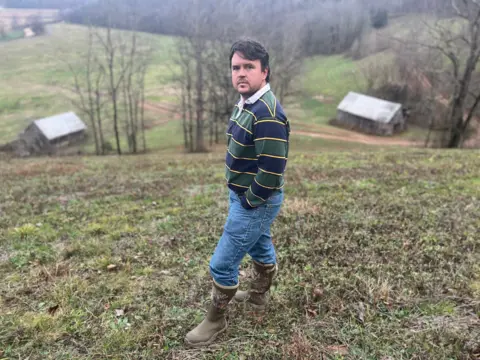
In the picturesque landscape of Tennessee's Appalachian foothills, developer Josh Abbotoy dreams of a new neighborhood rooted in conservative values. His vision? A community anchored around a working farm and a church, attracting residents who resonate with right-wing ideals, or as he describes, 'a faith, family, and freedom' lifestyle.
Abbotoy's venture, Ridgerunner, aims to create an 'affinity-based community' drawing individuals with similar beliefs. Yet, his plans have ignited concern among locals as some of his early customers—self-identified Christian nationalists—have expressed views that challenge modern societal norms.
Controversy erupted when local media reported on the statements of two vocal residents of the emerging development: Andrew Isker and C Jay Engel. Both have sparked a dialogue around their radical perspectives, questioning foundational societal concepts and advocating for extreme political changes that alarm the existing community.
Nancy Coons, a long-time resident, voiced her apprehensions, stating that the arrival of such ideologies can be frightening and has prompted a vigilant local response. She, along with others, has come together to raise awareness about the nature of these beliefs, emphasizing the importance of community values.
The presence of Mr. Engel and Mr. Isker, known for their podcast 'Contra Mundum', has also escalated the situation. Their program promotes mobilization and local influence for conservative values—a stark contrast to the established norms of Gainesboro, a small town with deep-rooted traditions.
Local response includes the emergence of grassroots efforts opposed to the influence of what they term as 'extreme views' and a desire to protect the town's identity. Signs condemning divisive rhetoric have popped up, and activists have openly challenged the newcomers at community gatherings.
As the community addresses the ideologies brought forth, the situation in Gainesboro reflects larger issues pushing their way into the fabric of American rural life, forcing citizens to confront their values amid changing political landscapes.
While Abbotoy distances himself from the 'Christian nationalist' label, he acknowledges the movement's presence and believes the concerns are unwarranted. Yet the locals remain resolute in their opposition, striving to ensure that their small town does not become a beacon for radical ideologies.