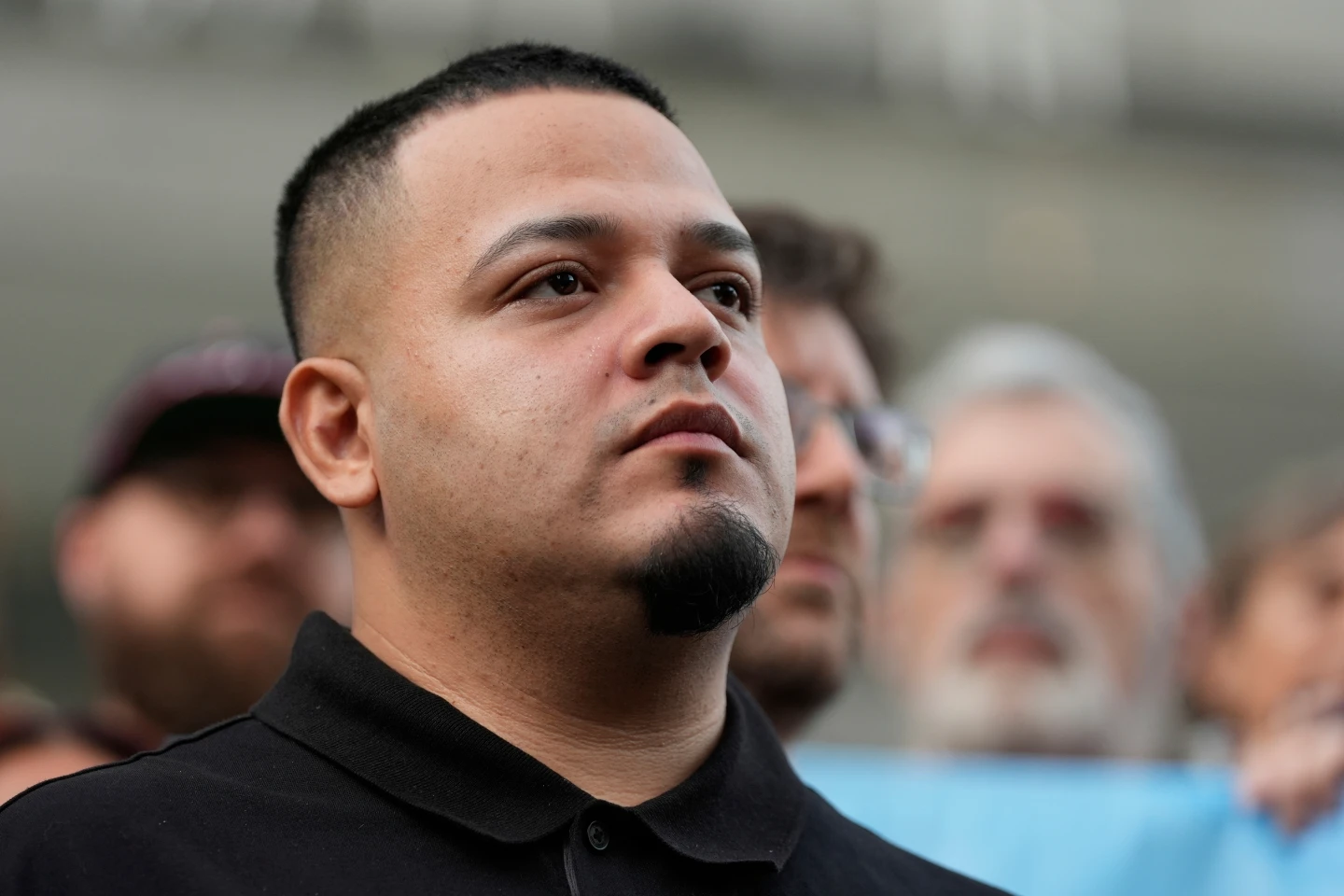
NASHVILLE, Tenn. — In a landmark ruling on Monday, a U.S. District Judge in Tennessee has warned officials from the Trump administration that they could face sanctions should they continue to publicly comment on the case of Kilmar Abrego Garcia, a defendant that could be prejudiced by inflammatory statements. The judge underscored the importance of maintaining a fair trial environment by reminding federal employees that extrajudicial statements can harm the integrity of the judicial process.
U.S. District Judge Waverly Crenshaw's directive came in response to a series of controversial comments from top officials at the Justice Department and the Department of Homeland Security. The judge ordered that his opinion be circulated among all relevant personnel, emphasizing compliance with courtroom rules that protect against prejudicial commentary.
In his order, Judge Crenshaw expressed concern over the repeated exaggeration or inaccuracy of allegations made about Abrego Garcia, who is facing trial concerning human smuggling charges. His comments stressed that such statements about a defendant's character or implications regarding guilt could materially prejudice the ongoing prosecution.
Abrego Garcia, who was previously incorrectly deported to El Salvador, has raised significant attention regarding the issues surrounding immigration policy and human rights. His wrongful removal and subsequent return to the U.S. ignited widespread criticism of the administration's immigration practices and triggered a broader public dialogue about the treatment of individuals within the immigration system.
As the case progresses, Judge Crenshaw's warnings reflect growing tension between judicial mechanism and executive assertions, reaffirming the distinct boundaries necessary for a fair and impartial legal process. Officials within the Trump administration have been accused of waging a campaign that undermines Abrego Garcia's defense, labeling him as a member of a notorious gang.
Moving forward, the ruling serves as a critical reminder of the responsibilities held by public officials in maintaining the integrity of the judicial process. As the case against Abrego Garcia unfolds in court, public scrutiny will likely remain high, spotlighting broader debates about immigration policy and the implications it holds for individuals navigating this legal landscape.