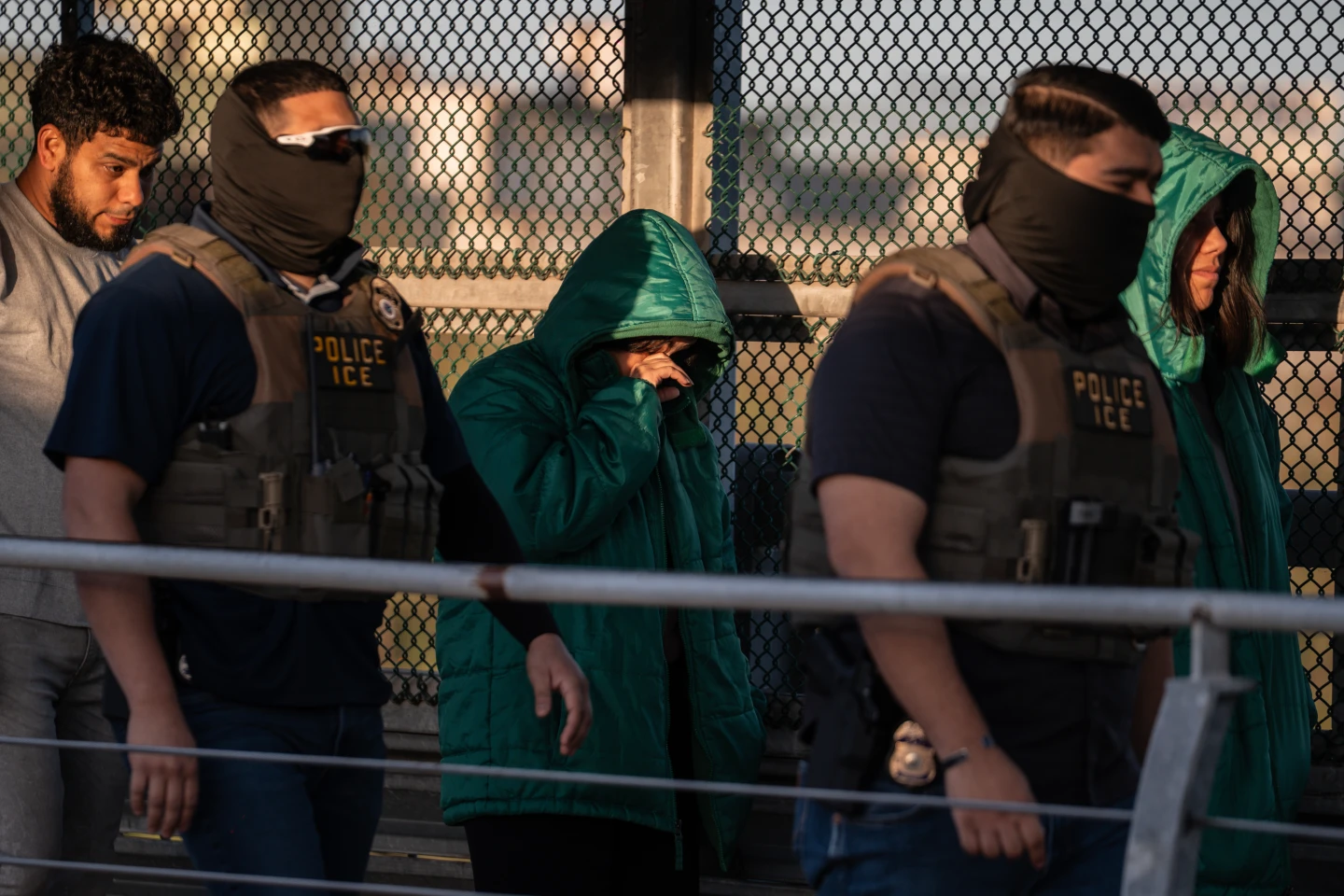
The U.S. Immigration and Customs Enforcement (ICE) is planning to establish a national call center in Nashville, Tennessee, with the primary objective of aiding local and state law enforcement agencies in identifying and locating unaccompanied migrant children who may have entered the U.S. illegally. According to a federal contracting notice issued recently, the call center is expected to operate 24/7 and handle between 6,000 and 7,000 calls daily.
ICE has emphasized an immediate need for this center, aiming for it to be operational by June 2023 after opening by the end of March. The agency is currently reaching out for information from potential vendors regarding the technologies that can enhance call handling efficiency.
Alongside this call center initiative, ICE has indicated a need for vendors that can provide transportation services for detainees across Texas. This is particularly pertinent following the enactment of a new state law mandating that all counties with jails cooperate with ICE.
The establishment of the call center aligns with a broader increase in funding and initiatives for immigration and border security, with the Trump administration having allocated substantial resources toward enforcing immigration policies since the passing of the recent federal border security bill. The administration has significantly ramped up partnerships with local law enforcement agencies to enforce these regulations.
As part of the initiative, ICE also aims to scrutinize the sponsors of unaccompanied minors, often requiring fingerprinting and DNA testing, which has raised concerns among advocates about the implications for family reunification.
The Nashville site for the call center notably coincides with the headquarters of CoreCivic Inc., a large private detention contractor. Critics question the motivations behind establishing the center in this particular area, given CoreCivic's ties and financial contributions to political candidates supporting rigorous immigration enforcement.
ICE is also looking for logistical solutions for the transfer of minors, anticipating multiple daily trips transporting detainees while ensuring they remain within secure confines. As ICE moves forward with these operations, the overall impact on unaccompanied minors and their families remains a point of significant concern.