In brief
Prime Minister Sébastien Lecornu announced curfews across key French cities following violent protests that began as student grievances. The measures targeted central Paris, Marseille, Bordeaux, Nice, Lyon, Lille, and other towns, aiming to re-establish safety and prevent further looting. Police and gendarmes received praise for enforcing the restrictions, while Interior Minister Laurent Nuñez faced criticism for perceived lack of preparedness. Despite the crackdown, the unrest has drawn attention to deeper societal frustrations that extend beyond security concerns.
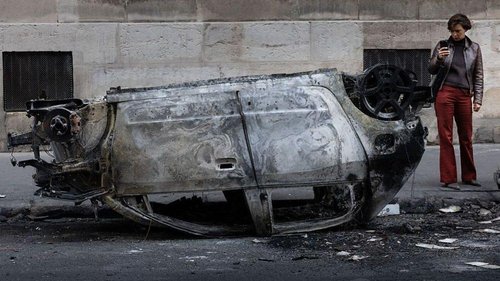
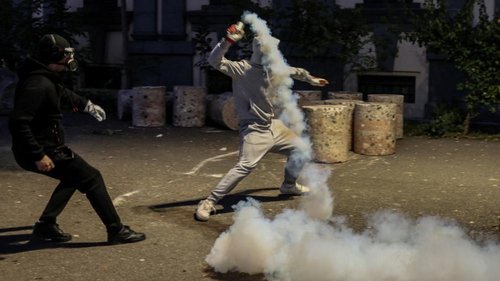
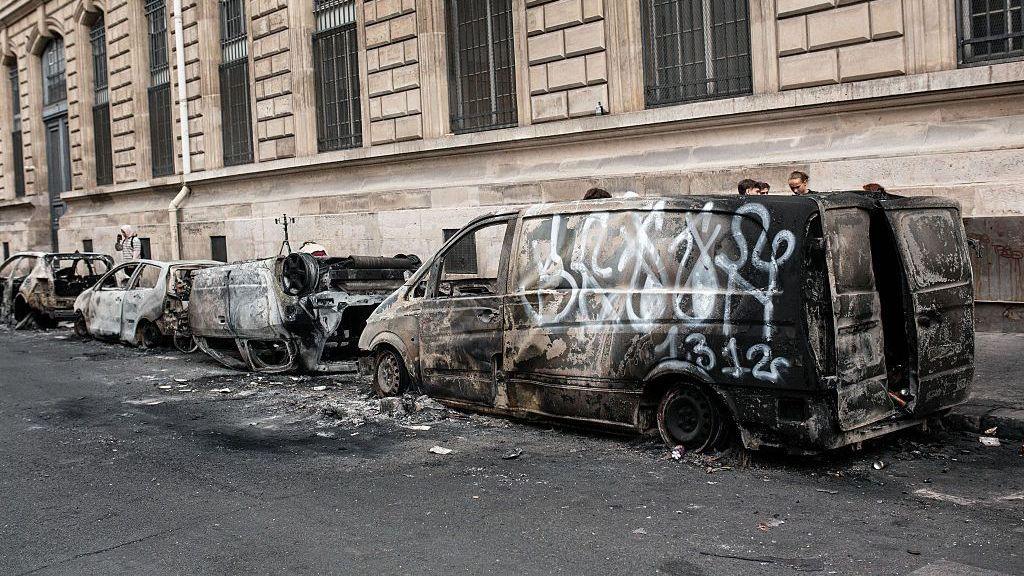
French cities stepped into calm after the government imposed curfews in response to weekend riots and looting that spiralled across the country.
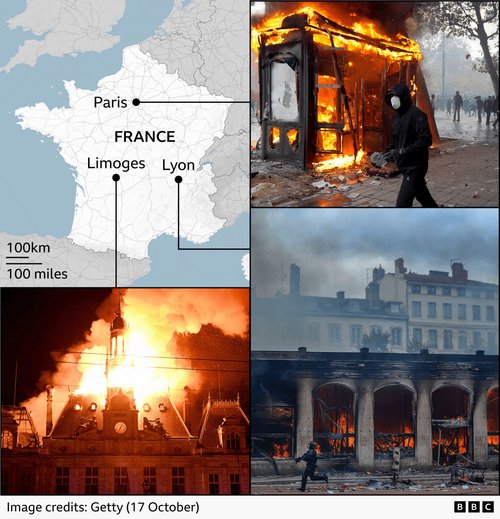
Curfews were targeted at central Paris zones including Place de la République where protesters had congregated, and the Les Halles shopping area. Additional restrictions on the movement of young people and public gatherings were also deployed in Marseille, Bordeaux, Nice, Lyon, Lille and small towns in the north.
Prime Minister Sébastien Lecornu thanked police officers and gendarmes for enforcing the measures, signaling state confidence in security forces. He added that further curfews on Tuesday evening would be decided by local authorities on the ground.
The crackdown follows Interior Minister Laurent Núñez’s admission that police had been overwhelmed in several cities. Núñez had to resign amid opposition criticism, but President Emmanuel Macron retained him in office.
More than 2,500 people were already arrested in the weeks of disorder, with reports of a demonstrator losing a hand to a crowd‑control grenade. About 1,000 police officers were injured in clashes.
The protests initially sparked over students demanding improved school conditions, but quickly grew to incorporate wider civil concerns, drawing support from trade unions and various advocacy groups. These developments paint a picture of societal pressure that could influence future policies on sustainable cities, governance, and public safety.