In brief
As the confrontation between Israel and Iran intensifies, both nations continue to retaliate with destructive strikes, leading to mounting civilian casualties and a dire humanitarian situation. Though the military actions appear unresolved, there are growing calls for diplomatic intervention to restore peace.
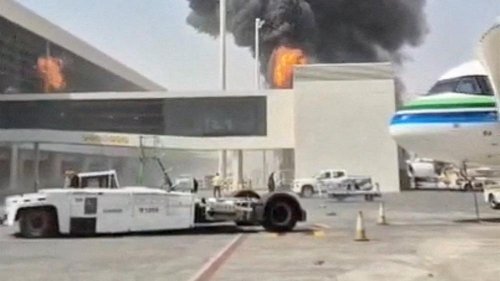
In a continuation of violent exchanges, Israel and Iran have stepped up military actions against each other, marking the fourth day of aggressive hostilities steeped in fear and uncertainty. Reports confirm that Israel's military launched an assault on the Quds Force, a prominent Iranian military division. This strategic strike intercepted the command center believed to be coordinating Iran’s military operations against Israel. The unfolding conflict has already resulted in substantial civilian casualties on both sides, prompting alarms of a larger regional crisis. Israeli officials report casualties from Iranian missile strikes that have hit urban centers, resulting in at least eight fatalities, predominantly in Petah Tikva and Haifa. Amid the chaos, civilians, alarmed by the sound of incoming missiles, are being urged to evacuate to lessen casualties. These developments compound the tragedy unfolding in Iran, where overnight Israeli airstrikes have taken the lives of at least 224 individuals, with wounded figures surpassing 1,400, according to health officials. As international observers treat the conflict with trepidation, it underscores the possibility of a broader confrontation involving other regional powers and global stakeholders, including the United States. Diplomatic talks concerning Iran's nuclear program, anticipated to rekindle in Oman, have now been shelved, reflecting the tumultuous atmosphere. Fueled by uncertainty regarding their safety, many citizens in both countries are rapidly fleeing urban areas, highlighting a deep-seated anxiety about the war’s escalation. With both nations intent on broadening their military objectives, analysts like Daniel B. Shapiro warn that this may signal a prolonged conflict as Israel aims to degrade Iranian nuclear capabilities, while Iran maintains its resolve to continue nuclear enrichment. The long-running rivalry between these two nations has reached a precarious point, leading many to ponder the potential for diplomatic resolution amidst a backdrop of military engagements that show no signs of abating. As civilian lives hang in the balance, emerging calls for international intervention could pave the way for a peace process aimed at deterring further violence and preventing additional humanitarian crises. The urgency of the situation compels all parties involved to seek out dialogues that can lead to resolutions for enduring peace in a region marked by distrust and escalating hostilities.